
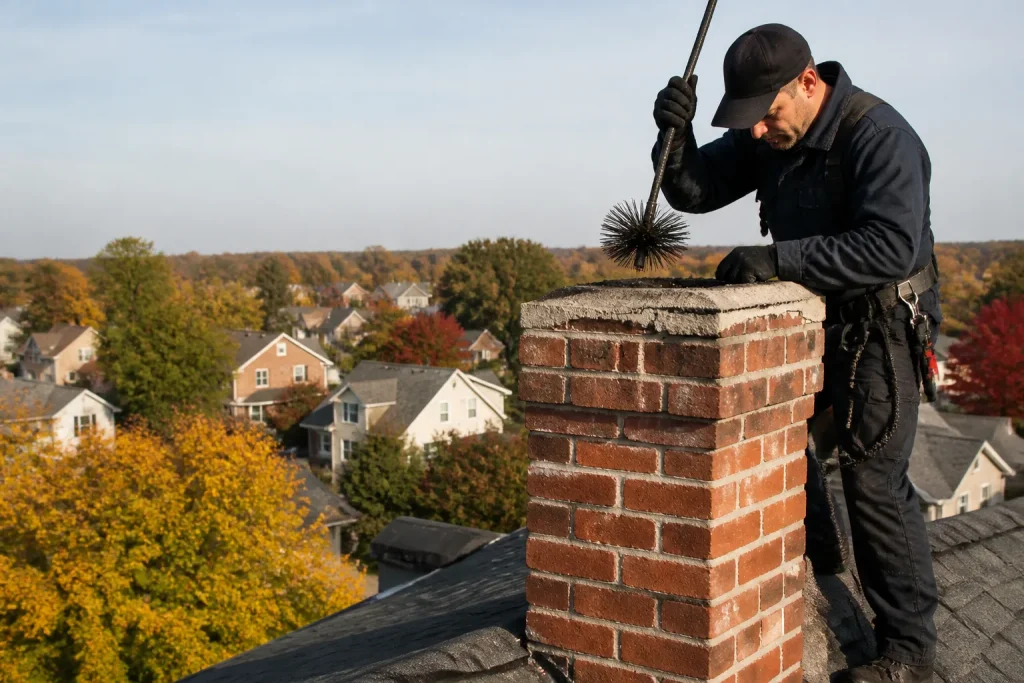
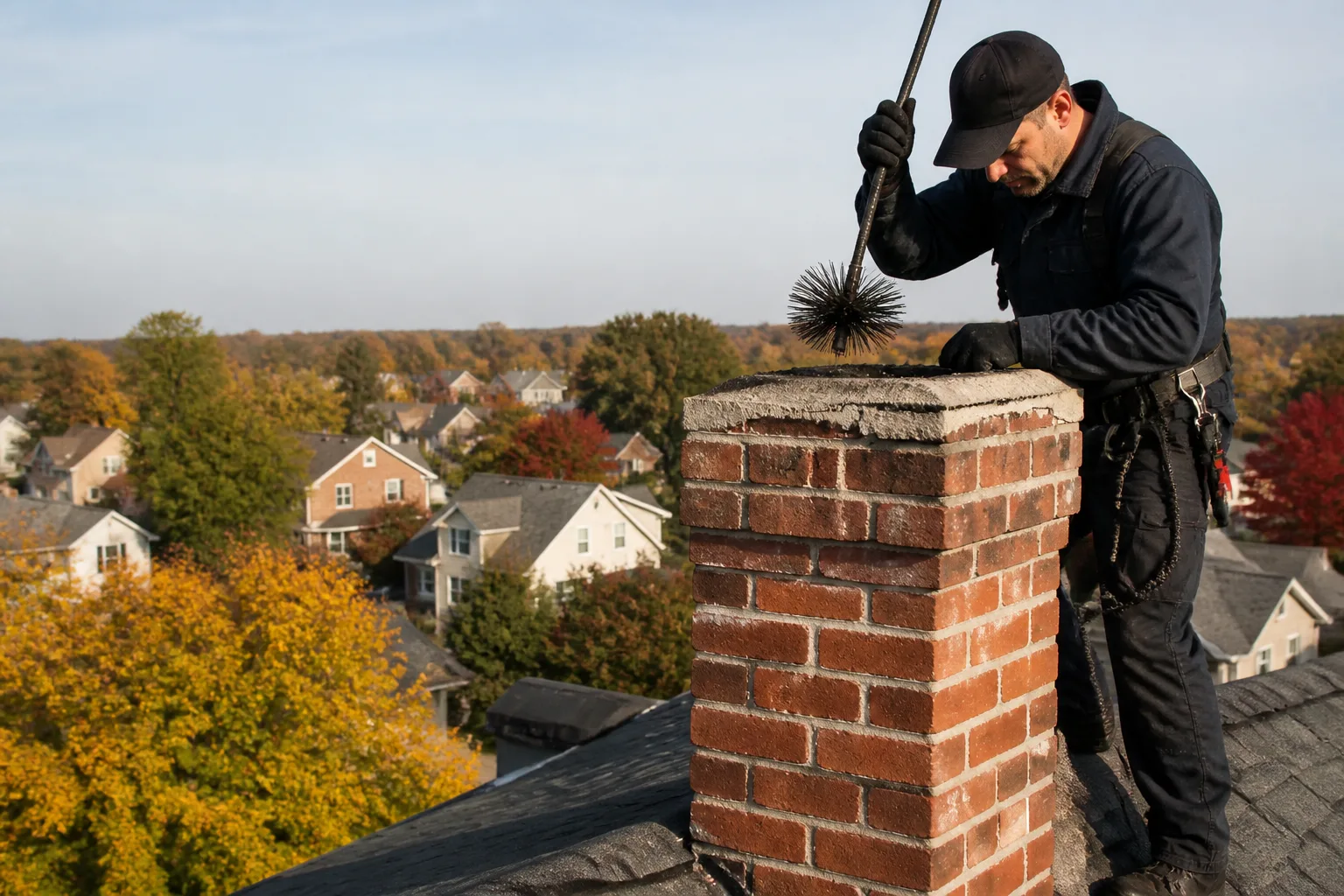
DuraFlex Chimney Sweep in Oxford Circle: A Homeowner’s Guide
DuraFlex is a flexible chimney liner system with a specific construction and a specific list of appliances it’s rated for, and it’s one of the most commonly mis-quoted products in the trade. In our experience, the biggest mistake homeowners in Oxford Circle make is assuming “DuraFlex” means any flexible liner. It doesn’t. If a contractor quotes DuraFlex for a wood-burning fireplace, that’s your cue to ask questions before anything gets installed. This guide explains what the system actually is so you can judge whether it fits your chimney.
What is DuraFlex, and what is it actually rated for?
DuraFlex is a flexible relining system built from a specific corrosion-resistant aluminum alloy, designed to vent gas and propane appliances. It’s listed under the UL 1777 standard for chimney liners, and that listing matters: UL 1777 sets the temperature and performance limits a liner must meet, and it’s what an inspector will look at when they check compliance. The alloy composition is the reason it holds up to the acidic condensate that gas appliances produce.
Here’s the part that causes trouble. DuraFlex is not rated for solid-fuel appliances like wood-burning fireplaces or wood stoves. Those run hotter and produce different byproducts, and they need a stainless steel liner rated for the job. When we quote a liner, we match the material to the appliance, not the other way around. If your home has a wood fireplace and someone hands you a DuraFlex quote, the right move is to stop and ask why.
Why the ratings matter in practice comes down to code. A liner that isn’t listed for the appliance it serves can fail an inspection and, more importantly, can fail in use. DuraFlex’s gas-only listing isn’t a technicality. It’s the boundary of where the product is safe to install, and a professional who knows the product won’t cross it.
Why DuraFlex suits older Oxford Circle homes with irregular flues
Oxford Circle has a lot of older housing stock, and older chimneys weren’t built with today’s appliances in mind. Clay tile flues shift, crack, and settle into offsets and bends over time. A rigid stainless steel liner is strong, but it can’t follow a curve. It needs extra fittings, elbows, and sometimes masonry work to get through, and every joint is another place to get the installation right.
That’s where a flexible system earns its place. The flexibility lets it navigate an offset flue in a single continuous run, with fewer connections and less disruption to the masonry around it. For a homeowner with a gas appliance and a flue that isn’t straight, that’s often the difference between a straightforward relining and tearing into the chimney structure.
A few things worth knowing about how this plays out in Oxford Circle homes:
- Offsets and bends: flexible liner handles them without the additional fittings rigid sections require.
- Masonry condition: relining is often the repair of choice when the clay tiles are cracked but the surrounding masonry is sound.
- Appliance connection: the liner has to connect to the appliance connector at the right size. A mismatch here is a common installation flaw.
- Termination height: the liner must terminate at the correct height above the roofline for proper draft, which is checked before the job is signed off.
None of this replaces a proper inspection. A chimney sweep and camera inspection is what tells you whether your flue has the offsets and damage that make a flexible liner the right answer in the first place.
Insulation, cold weather, and getting the installation right
A liner isn’t just a tube dropped into a flue. Insulation wrap matters, especially in a climate with real winters. Wrapping the liner helps keep flue gases warm enough to vent properly and reduces condensation against the masonry. Without it, a gas appliance can produce more acidic moisture that attacks the liner and the chimney structure over time.
We specify insulation wrap as part of a correct installation, not as an optional extra. When we work with Olympia Chimney and Copperfield for components, it’s because those suppliers carry the professional-grade parts that match the liner being installed. It’s the same reason we use Gelco and Famco caps and venting products at the top end.
What should you verify before you accept an installation? Ask these questions:
- Is the liner listed for my appliance type under UL 1777?
- Is insulation wrap included, or is it being skipped to save time?
- Where does the liner terminate, and does that height meet the requirement?
- Does the appliance connector match the liner size?
- Will I get a photo report of the finished installation?
Those answers separate a proper job from a quick one. Ask them before the work, not after.
DuraFlex versus stainless steel: service life and maintenance
This is where the comparison gets practical. DuraFlex and stainless steel serve different appliances, so the question isn’t which is better in the abstract. It’s which one fits your venting setup. Still, understanding how each behaves helps you plan maintenance.
For a gas appliance running on DuraFlex, annual inspection and cleaning keep the liner in good shape. Gas produces less creosote than wood, but it still needs checking for corrosion, loose connections, and debris. Stainless steel serving a wood-burning fireplace needs more frequent attention because wood produces creosote that builds up and has to be swept. In either case, the inspection at each visit should confirm the liner is intact, the connections are tight, and nothing has shifted since the last check.
One cladding detail: a professional installing a flexible liner should confirm it was installed to manufacturer specification, which includes the wrap and the terminations. When we work with HeatShield to resurface deteriorating flue tiles, it’s because the tiles themselves are part of the picture. A liner doesn’t fix a flue that can’t hold it. If the surrounding structure is failing, that gets addressed too. From the firebox to the crown, that’s the work we cover.
If your chimney needs more than a liner, a chimney repair visit can map out what has to happen before relining. And a new chimney cap & crown protects the whole thing from water at the top.
How to verify a DuraFlex installation in Oxford Circle
In Philadelphia, a chimney relining job generally requires a permit through L&I, and the permit documentation should show the liner type, the appliance it serves, and the materials used. Ask to see it. A clear paper trail tells you the job was done as a permitted installation, not a quick fix.
Beyond the paperwork, here’s what a resident in Oxford Circle should look for:
- Manufacturer spec: the installation should match DuraFlex’s published requirements for your appliance type.
- Permit documentation: liner type, appliance, and materials listed, not just a general permit number.
- Photo report: before-and-after photos of the flue and the termination point.
- Termination height: confirmed against the requirement, not eyeballed.
- Insulation wrap: visible in the install, not skipped.
When you call a pro, ask them to walk you through how the installation will be documented. A technician working chimneys and fireplaces exclusively will have a clear answer, and you’ll hear it in how they describe the job. Our technicians have up to 9 years of experience, and the company connects homeowners with local professionals who are licensed and insured as their state requires.
When to call a pro (and when you can wait)
If you’re in Oxford Circle and your gas appliance is venting through a deteriorated flue, or you’re getting a quote for relining, that’s a call-a-pro moment. High-tension springs don’t apply here, but carbon monoxide and improper venting are real hazards, and they’re the reason a liner installation isn’t a weekend project. If you haven’t had the chimney inspected in a while, a sweep and camera inspection tells you where you stand. If the inspection finds nothing concerning, it’s fine to wait on repairs until the season allows.
Related services in Oxford Circle: Chimney Sweep Oxford Circle covers sweeping, inspection, repair, liner installation and rebuilds, so one call handles the whole system.
The Bottom Line
DuraFlex is a specific product for gas and propane appliances, and it’s a strong answer when you have an irregular flue that a rigid liner can’t navigate. The keys are matching it to the right appliance, getting the insulation and terminations right, and verifying the installation with real documentation. If you’re in Oxford Circle and want an honest assessment of whether your chimney needs a liner at all, we’ll tell you. Call (855) 259-0792 for a free estimate. We answer 24/7. Fast dispatch from 7am to 7pm, Sunday through Friday.
Frequently Asked Questions
Yes, but it’s a specific type: a flexible liner built from a corrosion-resistant aluminum alloy and listed under UL 1777 for gas and propane appliances. It’s not the right match for a wood-burning fireplace, which needs a stainless steel liner rated for solid fuel. If you’re quoted DuraFlex for wood, ask why before you sign.
A flexible liner can navigate offsets, bends, and irregular clay-tile flues in a single run, while a rigid stainless section needs extra elbows and fittings. In older Oxford Circle homes, those offsets are common. That makes a flexible liner, matched to the right appliance, a practical solution when the flue isn’t straight.
Check the UL 1777 listing for your appliance type, confirm insulation wrap is included, confirm termination height meets the requirement, and ask for the permit documentation and a photo report. Those items tell you the job was done to manufacturer spec and Philadelphia L&I requirements, not rushed.
Annual inspection and cleaning is the usual schedule for a gas appliance on a DuraFlex liner. The visit should confirm the liner is intact, the connections are tight, and nothing has shifted since last time. Call (855) 259-0792 for an exact quote – estimates are free.
Written by the team at Chimney Sweep Oxford Circle.
Need Chimney Cleaning Help?
Call Chimney Sweep Oxford Circle - the local pro we connect you with is licensed and insured, here with fast help in Oxford Circle.
(855) 259-0792