
Last updated November 22, 2026
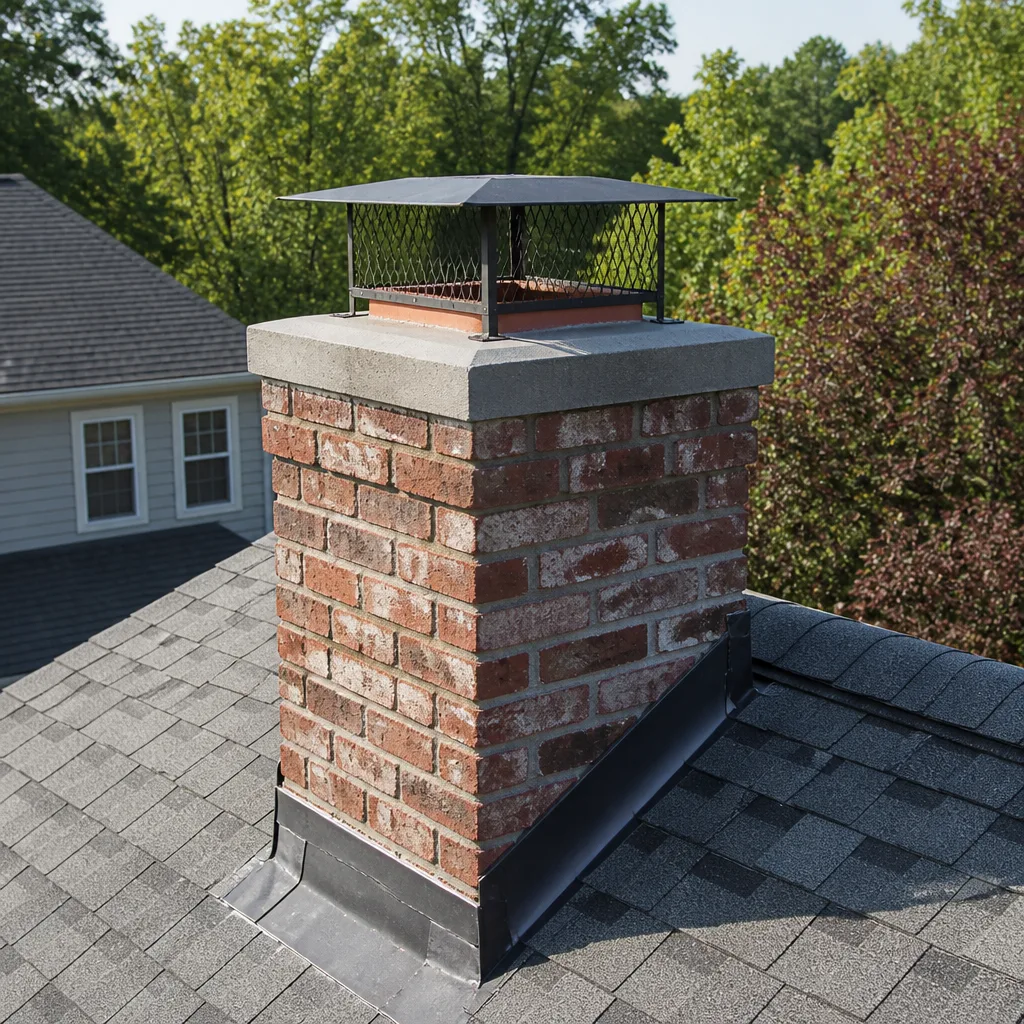 Sweep & inspection
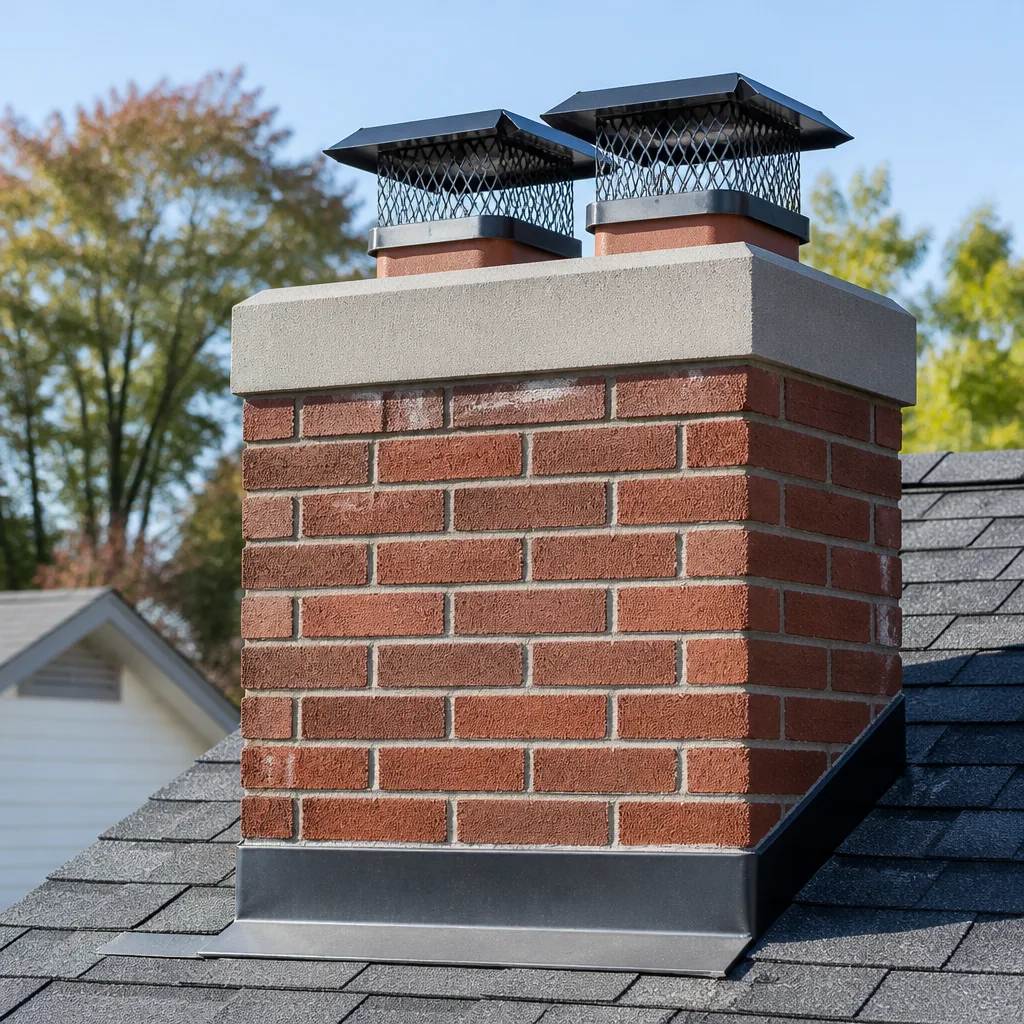 Caps & crowns
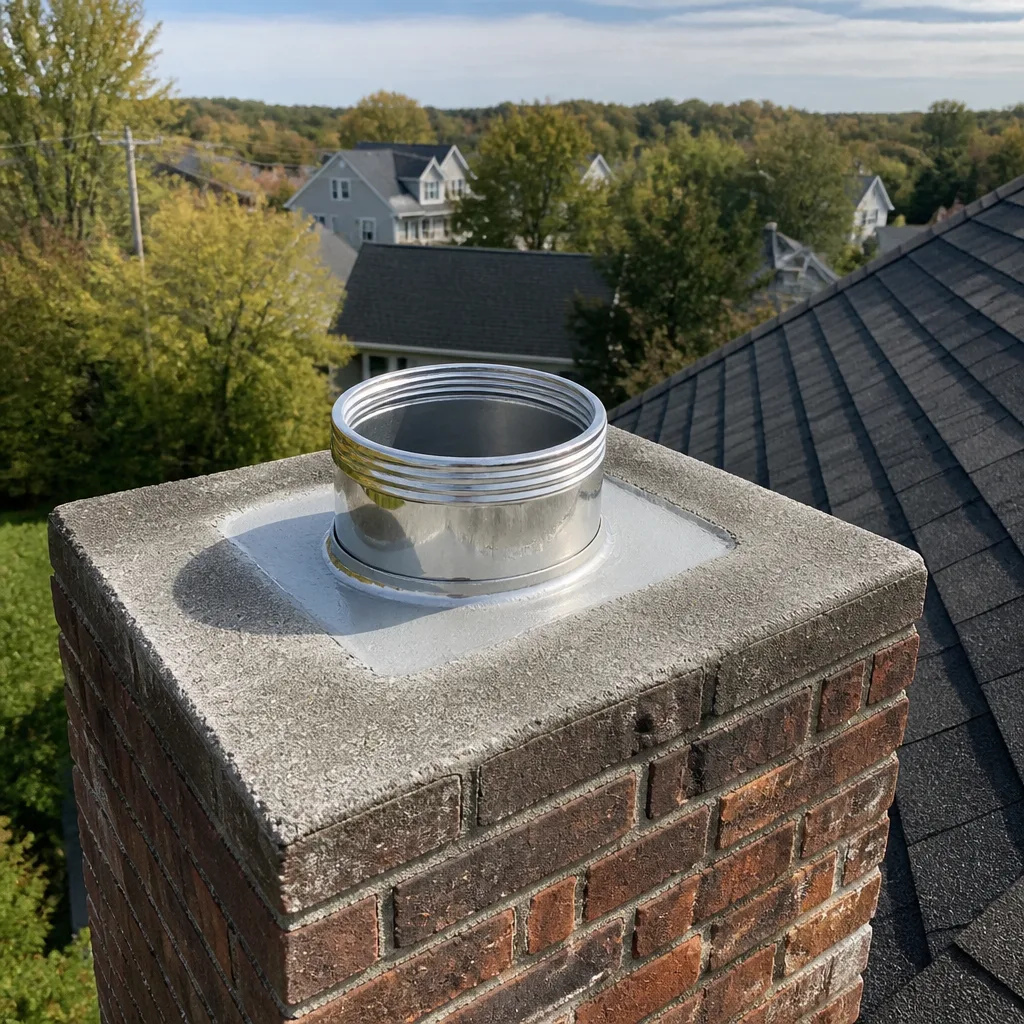 Flue relining
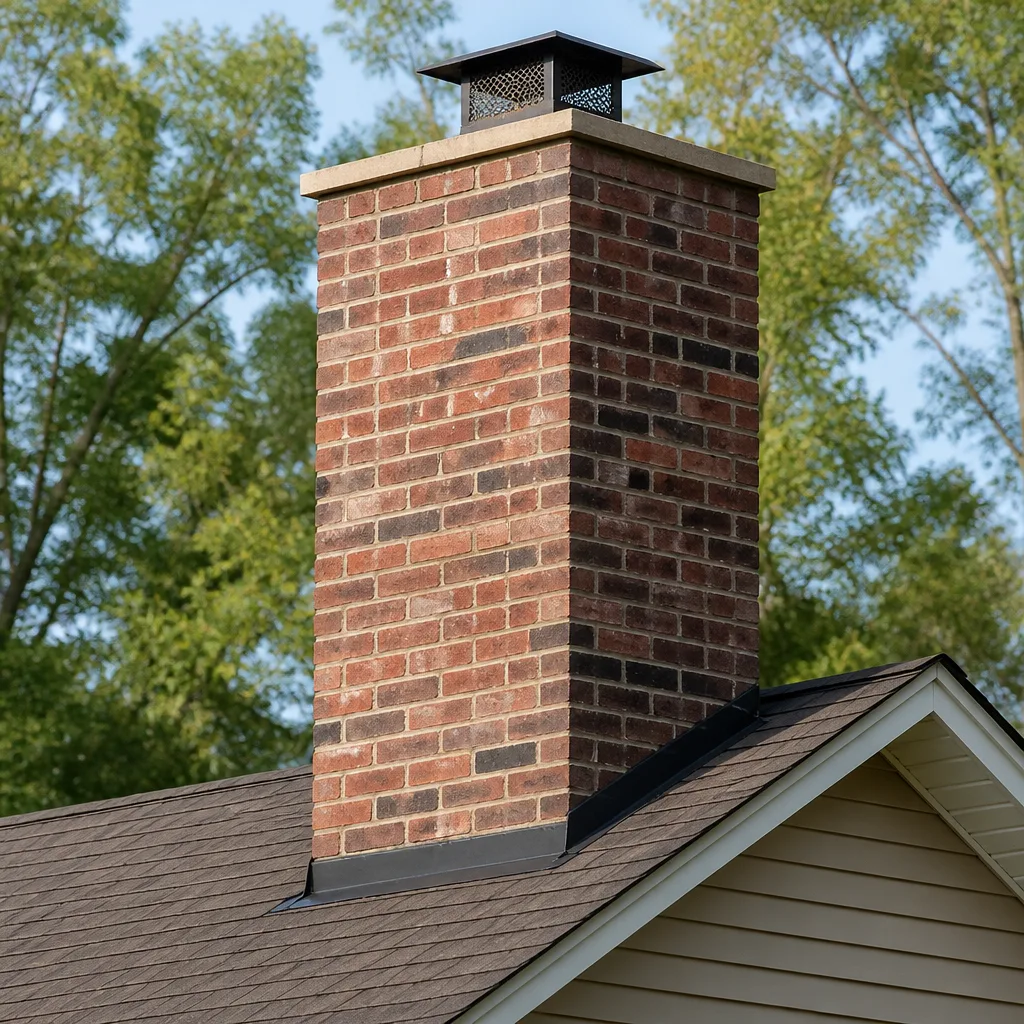 Masonry repair
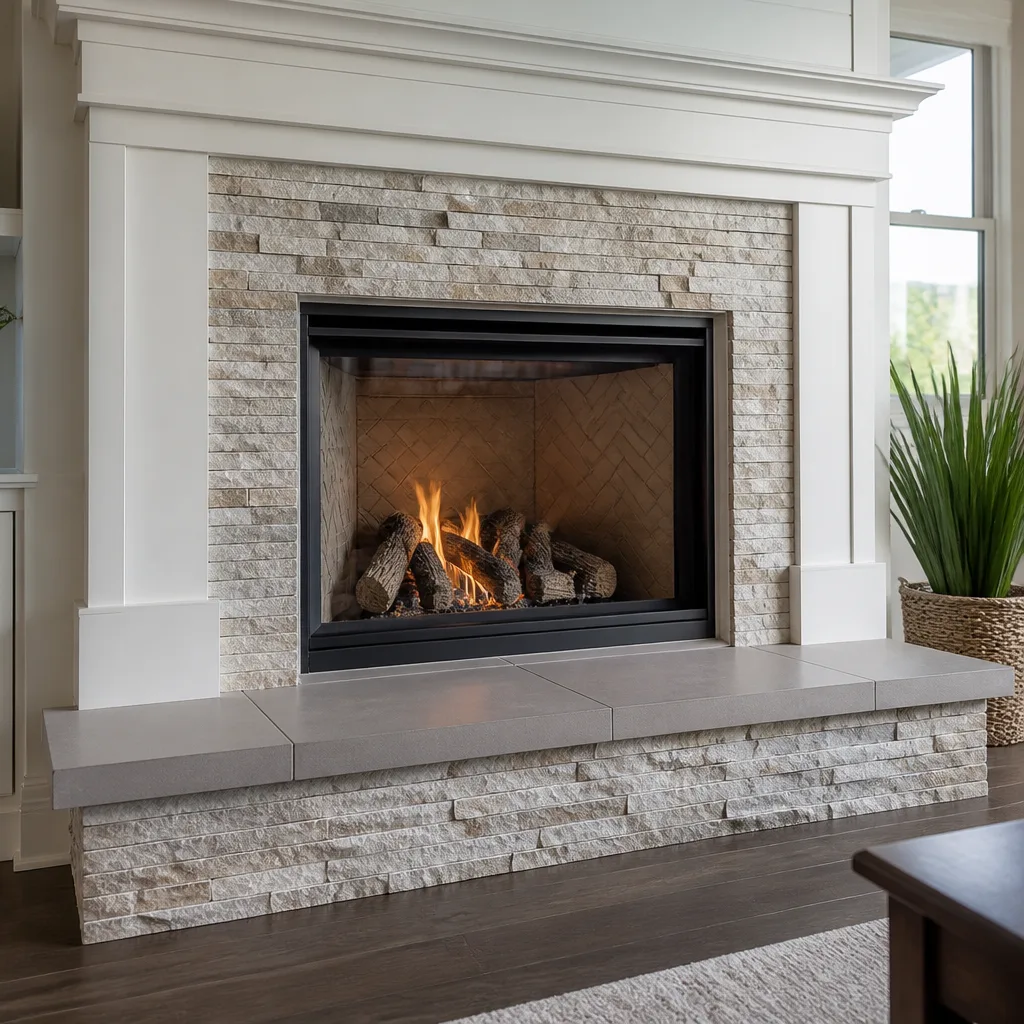 Gas fireplace service
Level 1 sweep and inspection to the NFPA 211 annual standard - flue, crown, cap, and flashing checked and photographed
Chimney sweep logs do not sweep chimneys. They loosen some creosote - which then falls where a brush and vacuum still have to collect it.
Chimney Cleaning Permits, Codes & Inspections in Oxford Circle, PA: What You Need to Know
Here’s the part most homeowners miss: the cleaning itself almost never needs a permit. The work cleaning uncovers usually does. A flue liner replacement, a crown rebuild, a roofline repair – these are alterations to the structure, and in Philadelphia that puts them under the Building Code and L&I review. Skip that step and nothing happens today. It surfaces at resale, when the buyer’s inspector writes it into the report, or after a fire loss when the adjuster asks for the permit file you don’t have. This guide walks through where the permit line actually sits in Oxford Circle and across Philadelphia, what NFPA 211 inspections are triggered by which events, how to check a contractor’s coverage before anyone climbs the roof, and what a proper post-installation inspection should produce. We’ve laid it out the way we walk homeowners through it in the field.
Quick Answer
Routine chimney cleaning and a Level 1 inspection in Oxford Circle do not require a Philadelphia permit. Liner installation, crown replacement, and structural rebuilds do, because the Philadelphia Building Code treats them as alterations rather than repair and maintenance. Any change of fuel type, appliance, or flue system also triggers a mandatory Level 2 inspection before the fireplace can legally be used again.
Styles & brands we work with
- Sweep & inspection
- Caps & crowns
- Flue relining
- Masonry repair
- Gas fireplace service
Table of Contents
- Where the Permit Line Actually Sits in Philadelphia
- Repair and Maintenance vs. Alteration Under the Code
- How NFPA 211 Inspection Levels Map to Code Triggers
- The Level 2 Inspection: When It’s Required, Not Optional
- Homeowner Liability When Unpermitted Work Surfaces
- Verifying Contractor Coverage Before Work Begins
- What a Code-Compliant Post-Installation Inspection Involves
- Why You Should Ask for a Certificate of Occupancy After Liner Work
Where the Permit Line Actually Sits in Philadelphia
Chimney sweeping in Oxford Circle does not require a permit. Full stop. Brushing a flue, removing creosote, checking a damper, replacing a cap – these fall under routine maintenance in the Philadelphia Building Code. A sweep is a cleaning service, and the city doesn’t issue permits for cleaning.
The moment the scope shifts from cleaning to modifying the system, the permit question changes. Philadelphia L&I classifies certain chimney work as an alteration to the structure, and alterations need a permit, drawings, and an inspection before the work is closed out. The line is not ambiguous once you know what to look for:
- No permit needed: sweeping, Level 1 inspection, cap replacement, minor firebox mortar repair, damper adjustment
- Permit typically required: flue liner installation or replacement, crown reconstruction, chimney rebuild above the roofline, changes to the appliance or fuel type that affect the flue system
- Case by case: flashing repair on the roof, masonry repointing near the crown, adding a new appliance flue
The reason liner work always crosses into permit territory is that it changes the code-defined performance of the existing system. The old flue was approved for the appliance it was built for. A new liner is a different system inside the same masonry chase. Philadelphia’s code treats that as a modification that needs to be verified against current standards, not just installed and forgotten.
Where this gets complicated in Oxford Circle is the housing stock. The neighborhood’s rowhouses and twins were built across decades when chimney construction practices shifted – some flues are unlined brick, some are clay tile with visible spalling, some have been patched multiple times. A sweep tells you which of those you have. A permit sets the paper trail that documents what got fixed.
Repair and Maintenance vs. Alteration Under the Code
Philadelphia’s Building Code draws a real distinction between repair and maintenance, which generally don’t require permits, and alteration, which does. The dividing question is whether the work changes the structural characteristics, capacity, or code compliance of the existing system.
Here’s how we explain it to homeowners in Oxford Circle:
- Repair and maintenance: restores the system to its original, code-compliant condition without changing material type, dimension, or function. Repointing mortar joints, sealing a hairline crack, replacing a rusted cap with matching size. No permit.
- Alteration: changes what the system is, how it performs, or what it’s evaluated against. Installing a stainless flexible liner where none existed or where the existing tile has failed. Cutting in a new flue for a gas insert. Rebuilding the crown to current standards. Permit.
- New construction: adding a chimney or flue where none existed. Full permit process with drawings and progressive inspections.
The gray zone is deterioration. A flue tile that’s cracked but structurally intact can sometimes be resurfaced rather than replaced, and HeatShield is our system of choice for that because it restores code-compliant performance without changing the flue’s structural character. On the other hand, a flue with missing tiles or a collapsed liner that has to be removed and relined – that’s an alteration, and it needs a permit.
When a repair and a permit question overlap, the written scope of work settles it. The contractor writes down what will be done. The homeowner takes that scope to the Philadelphia Department of Licenses and Inspections, or the contractor pulls the permit if the scope is clearly alteration. We’ve seen property transfers in Oxford Circle get held up because the seller’s contractor never resolved that distinction. If you’re being told your liner repair “doesn’t need a permit,” ask why in writing, and ask what the code section is.
How NFPA 211 Inspection Levels Map to Code Triggers
NFPA 211 defines three levels of chimney inspection, and the level is determined by the circumstances, not the homeowner’s comfort level. The code requires a specific level in specific situations. Here’s the map:
- Level 1: routine, visual, accessible portions only. Appropriate for an annual sweep when nothing has changed. This is the standard inspection that goes with cleaning.
- Level 2: everything in a Level 1 plus accessible portions of attics, crawl spaces, and other concealed areas, using video scanning where needed. Required after a change in fuel type, a change in appliance, a replacement appliance, an event that damaged the chimney (a chimney fire, a lightning strike, a nearby structural event), or a property transfer.
- Level 3: everything in a Level 2 plus removal of parts of the chimney or building that block access when the condition can’t be assessed otherwise. Required when a Level 2 identifies a hazard that needs the system opened up to diagnose or repair.
In practice, the Level 2 triggers are the ones homeowners in Oxford Circle run into most often. A homeowner converts from wood to gas logs – Level 2. A homeowner installs a new insert – Level 2. A homeowner is buying an Oxford Circle rowhouse – Level 2 as part of the transaction. A neighboring property has a fire next door and heat or smoke exposure is possible – Level 2.
A Level 2 is not optional in those conditions, and it’s not a service a contractor offers. It’s a code requirement when the circumstances exist. The inspection you get during a routine chimney sweep is a Level 1. The one you get before using a fireplace after a change is something else entirely.
The Level 2 Inspection: When It’s Required, Not Optional
A Level 2 inspection involves a video scan of the entire flue and a visual inspection of every accessible portion of the chimney system, including attics and crawl spaces. It produces documentation – a written report with the scan findings, not a verbal “everything looks okay.”
These events mandate a Level 2 before the fireplace can legally be used again:
- Change of fuel type. Wood to gas, gas to wood, oil to gas. The flue was sized and evaluated for the original appliance, and the new one may not be compatible.
- Change of appliance or relining. A new insert, a new freestanding stove, a boiler change, any appliance that uses the flue.
- Chimney fire or suspected chimney fire. Even a small one. Even one the homeowner thinks they handled.
- Building fire near the chimney or earthquake-level structural event. Any event that could have caused hidden damage.
- Property transfer. Most transactions in Oxford Circle, whether the buyer requests it or not, should trigger a Level 2 as part of the due diligence. Skipping it means inheriting a chimney system nobody has actually looked at.
The reason Level 2 matters here is that the concealed parts of an Oxford Circle chimney don’t get seen during a routine chimney sweep. Blocked flues, offset flues, gaps between the liner and the masonry chase, disconnected sections – those live behind the visible sections. A brush passes them without noticing. A camera does not.
We install DuraFlex flexible liner systems in Oxford Circle regularly, and one thing we’ve observed is that the flue problems a Level 2 catches most often are the ones the homeowner never asked about. The inspection isn’t there to find work to sell. It’s there to establish whether the system is safe to use, and to give the homeowner photos and video to look at themselves.
Homeowner Liability When Unpermitted Work Surfaces
Unpermitted chimney work creates three specific problems for an Oxford Circle homeowner, and none of them surface at the moment the work is done.
At resale. The buyer’s inspector gets on the roof, sees a new cap or liner work without matching permit records, and flags it on the inspection report. Depending on the buyer’s lender and the title process, the deal either stalls until the work is brought into compliance or the buyer negotiates the cost of re-doing it. Either way, the seller pays twice – once to the original contractor and once to the compliant re-do, plus the inspection and permit fees.
After a fire loss. The insurance adjuster requests permit records and inspection certificates as part of the loss documentation. If the work that was done on your chimney isn’t permitted or inspected, the insurer’s position on how the loss was caused becomes an open question. That conversation rarely goes the way the homeowner wants.
Personal liability for injury. If chimney work above the roofline causes damage to a neighbor’s property or injury to the contractor, the liability may land on the property owner when the work wasn’t permitted or adequately insured. Oxford Circle’s rowhouse density means the consequences of a chimney failure don’t stay contained to one house.
The unpermitted-work problem isn’t a paperwork technicality. It’s a structural modification to the system the code is designed to protect, and the code enforcement only happens at the checkpoints.
Verifying Contractor Coverage Before Work Begins
Pennsylvania requires contractors working above the roofline to carry general liability insurance and, if they have employees, workers’ compensation coverage. Verifying it is straightforward and takes five minutes.
Ask the contractor directly, and require documentation, not conversation:
- General liability insurance certificate. Ask for a current certificate of insurance naming the coverage limits and effective dates. Confirm the certificate covers roofing and chimney work – some policies specifically exclude roof-level activity.
- Workers’ compensation certificate. If the company has employees above the roofline, they need workers’ comp. If the certificate lists the company as exempt with no employees, be cautious – some contractors classify themselves as sole proprietors specifically to avoid carrying workers’ comp, and the liability exposure shifts to you if an uninsured helper gets hurt.
- Verification of coverage with the carrier. Call the insurance company listed on the certificate and confirm the policy is active and the certificate is genuine. A fraudulent certificate is a real problem in the trades – a paper in your hand is worth less than a phone call to the carrier.
- Written scope of work. Get the scope in writing before work begins, and include the permit responsibility. Who pulls the permit? Who schedules the inspection? The written estimate should say.
In Oxford Circle, where many homes are occupied by the owner and the roof is close to the neighbor’s roofline, this verification step is not paranoia. It’s the difference between a covered incident and a claim against your own homeowner’s policy.
We carry the coverage our trade requires and provide certificates before work begins. We also answer the permit question in writing before we schedule the work, because we’ve seen the alternative.
What a Code-Compliant Post-Installation Inspection Involves
A post-installation inspection verifies the completed work against the approved scope and the current code – not just that the liner went in, but that the whole system complies. The city inspector may check certain items, and the contractor’s own inspection closes the loop on the rest.
What a proper post-installation inspection covers:
- Liner installation verification: the liner is continuous end to end, correctly terminated at the top, and connected to the appliance collar at the bottom. No gaps, no disconnected sections, correct sizing for the appliance.
- Clearance to combustibles: the required separation between the chimney system and wood framing is maintained, including anywhere the liner was routed through an offset.
- Crown and cap condition: the crown sheds water away from the flue, the cap is correctly sized and seated, and the flashing at the roofline is sound. This is the waterproofing part of the work that most sweep-only contractors leave alone.
- Draft and performance: a smoke test or equivalent to confirm the appliance drafts correctly after the liner change.
- Documentation: a written report with photos of the completed installation and, where the camera was used, the scan results.
We use HeatShield resurfacing where the flue is restorable rather than replaceable, and Gelco caps where weather performance matters most. Those choices affect what the post-installation inspection can sign off on. A code-compliant closeout requires that the materials used are appropriate to the scope – not that the same product was used everywhere.
Why You Should Ask for a Certificate of Occupancy After Liner Work
Philadelphia issues a certificate of occupancy or a final inspection sign-off after permitted work is closed out. The certificate is the city’s record that the work was completed and inspected. Homeowners should ask for it after liner installation and structural chimney work, even if the contractor doesn’t volunteer it.
The reason is documentation. A certificate of occupancy for liner work:
- Lives in the city’s records, available to any future buyer’s inspector
- Prevents the “unpermitted alteration” flag from surfacing at resale
- Satisfies insurer requests when a fire loss claim is filed
- Documents the state of the system on a specific date for future comparisons
Not every liner job requires a CO. If the scope was clearly repair and maintenance, no certificate is issued because no permit was needed. The distinction is in the scope of work, and the scope should say so before work begins. When the scope crosses into alteration, the certificate is the closing document. Without it, the permit was pulled but the job wasn’t closed out, and that’s a separate problem at resale.
We’ve been asked to sign off on liner work other contractors installed without a permit, and the honest answer is that we can inspect the system but we can’t retroactively issue a certificate for work we didn’t install. When the work needs a permit, we pull it and we close it out. From the firebox to the crown, the paper trail should match the work.
Common Mistakes to Avoid
- Assuming a sweep also covers the permit. A chimney sweep is a cleaning service and does not need a permit. The permit question belongs to the repair scope, and it should be answered before work begins, not after. If your contractor says the cleaning is fine but the liner doesn’t need a permit, get that in writing.
- Skipping the Level 2 after a fuel or appliance change. A new gas insert needs a Level 2 before you use it. The old flue was evaluated for the old appliance, and the new one may not be compatible. No amount of annual sweeping substitutes for the Level 2 when the trigger event has occurred.
- Accepting a certificate of insurance without verifying it. A certificate is only good if the policy behind it is active. Call the insurance carrier listed and confirm coverage before work begins. This is your house, your roofline, and your liability if the crew is not covered.
- Buying an Oxford Circle rowhouse without a Level 2 on the chimney. The chimney is often the last part of the transaction to get looked at, and it’s the one that can hide a blocked flue or a failed liner. Include the Level 2 in your inspection period, not in the “we’ll deal with it later” list.
- Letting a contractor tell you the crown is fine when it isn’t. A crown that sheds water poorly lets water into the chimney chase, which is where flue tiles spall and liners fail. A proper chimney cap & crown assessment is part of any thorough inspection, and it should produce photos, not verbal reassurance.
- Not keeping the permit file. The certificate of occupancy, the written scope of work, the post-installation report, and the insurance certificates should be in one folder that goes with the house. Whoever sells the house next will need them.
- Treating the level designations as marketing. A Level 1, Level 2, and Level 3 inspection are defined by NFPA 211, not by how much the contractor charges. If someone quotes you a “Level 2” that doesn’t include video scanning or concealed areas, it isn’t one.
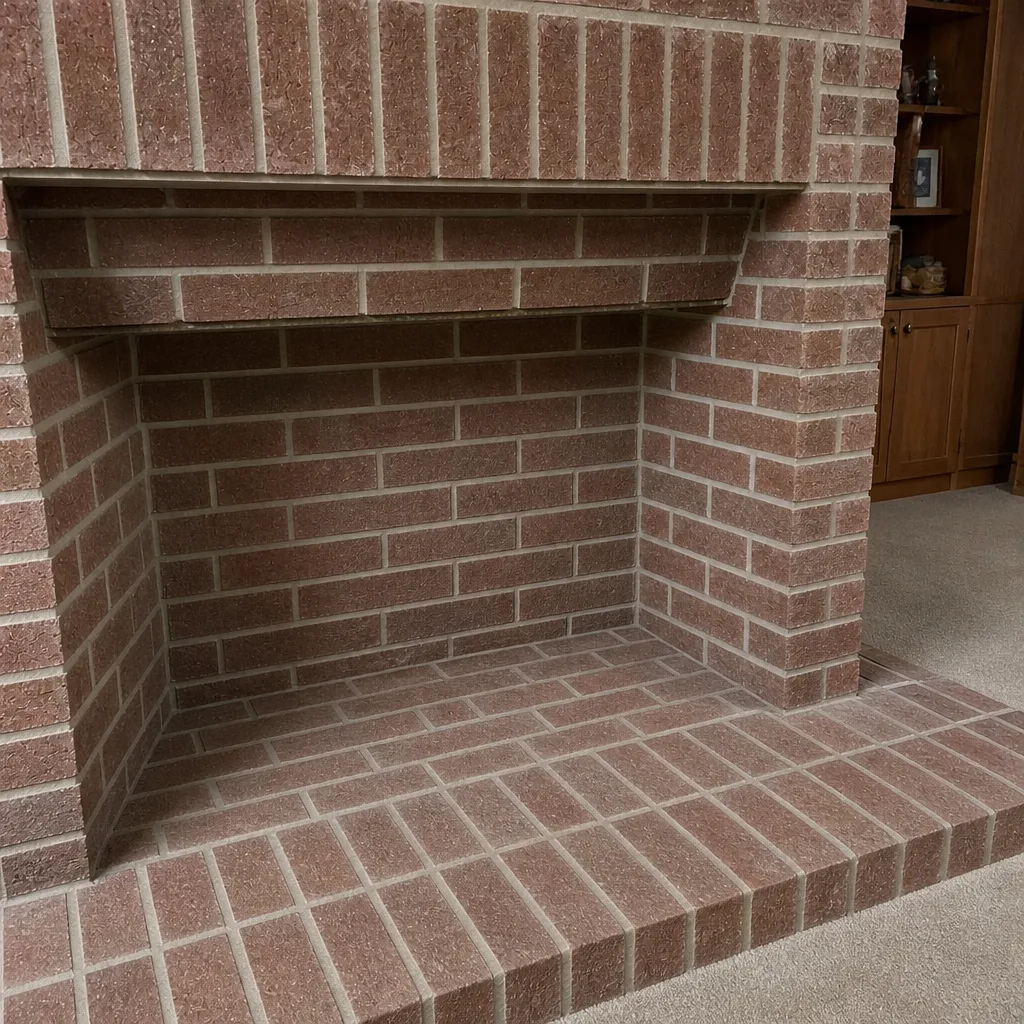
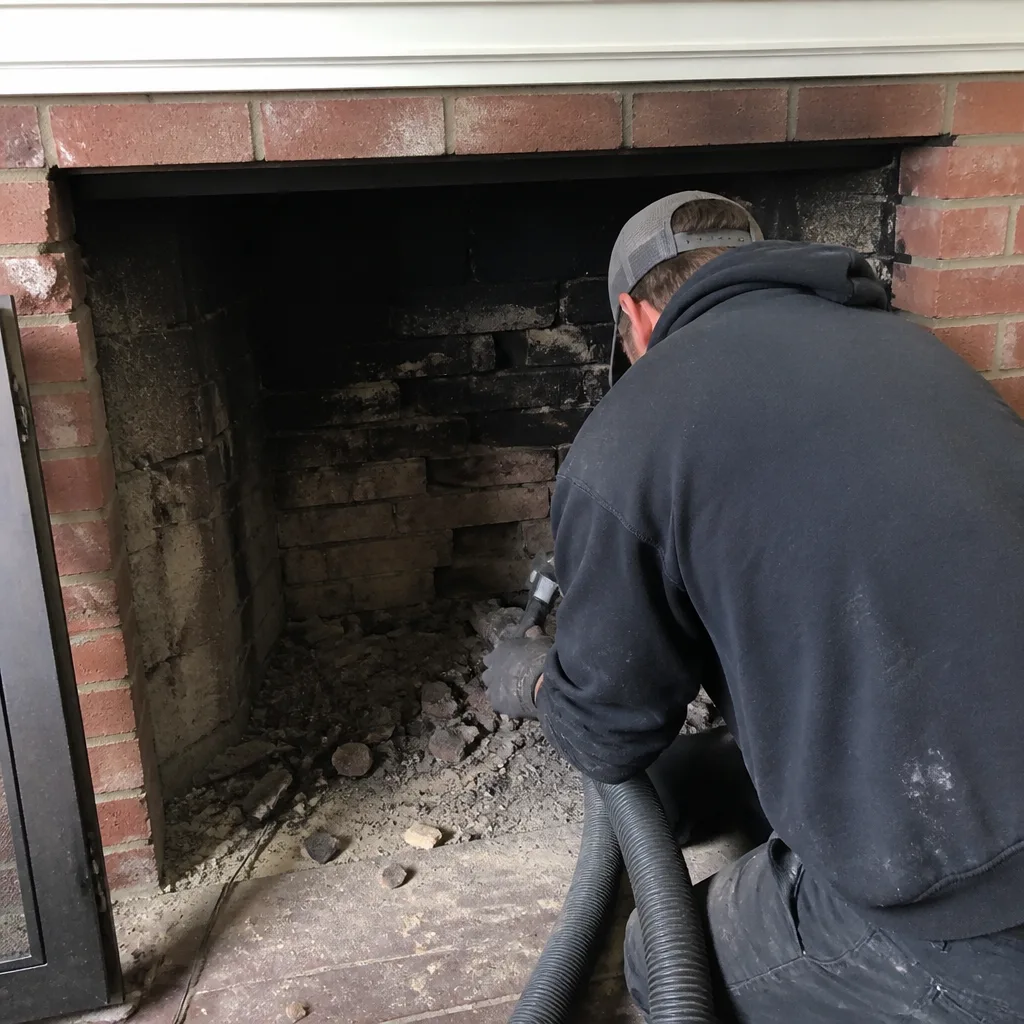
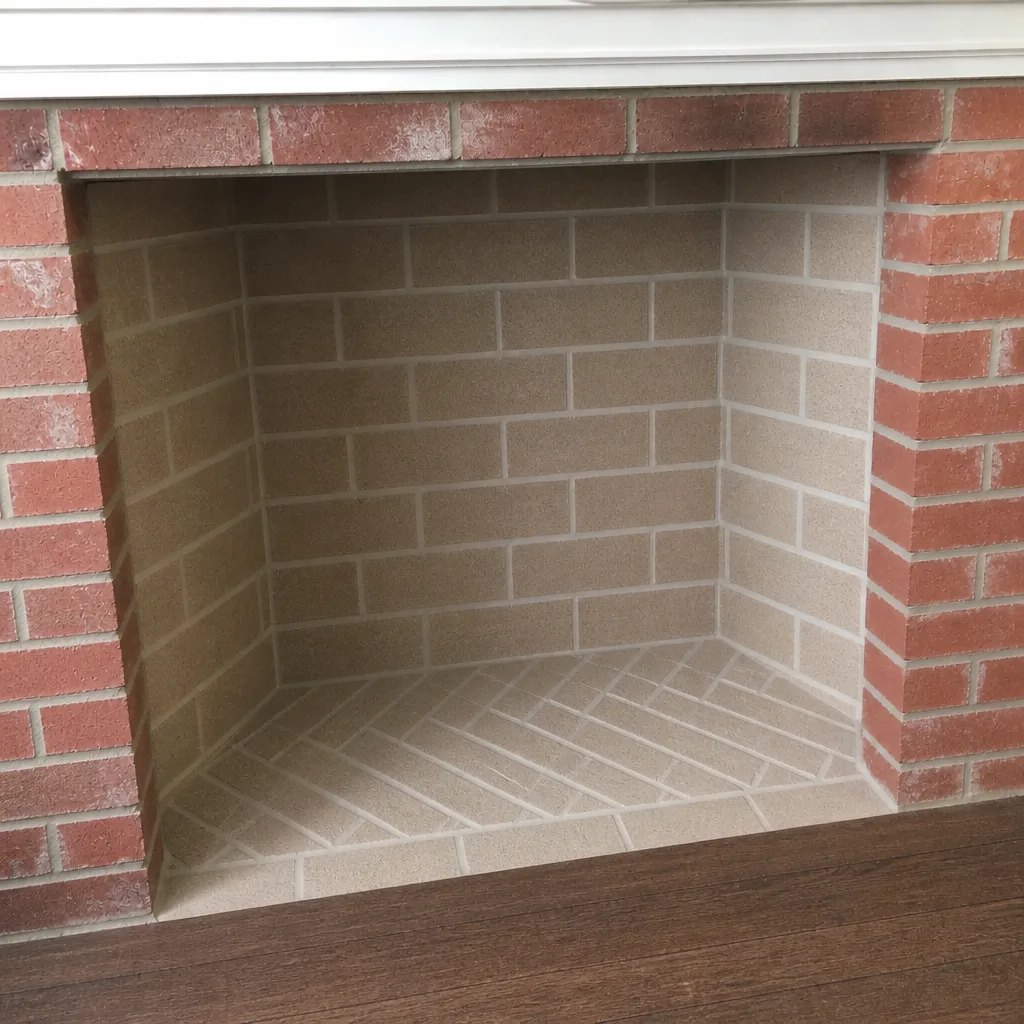
See the difference
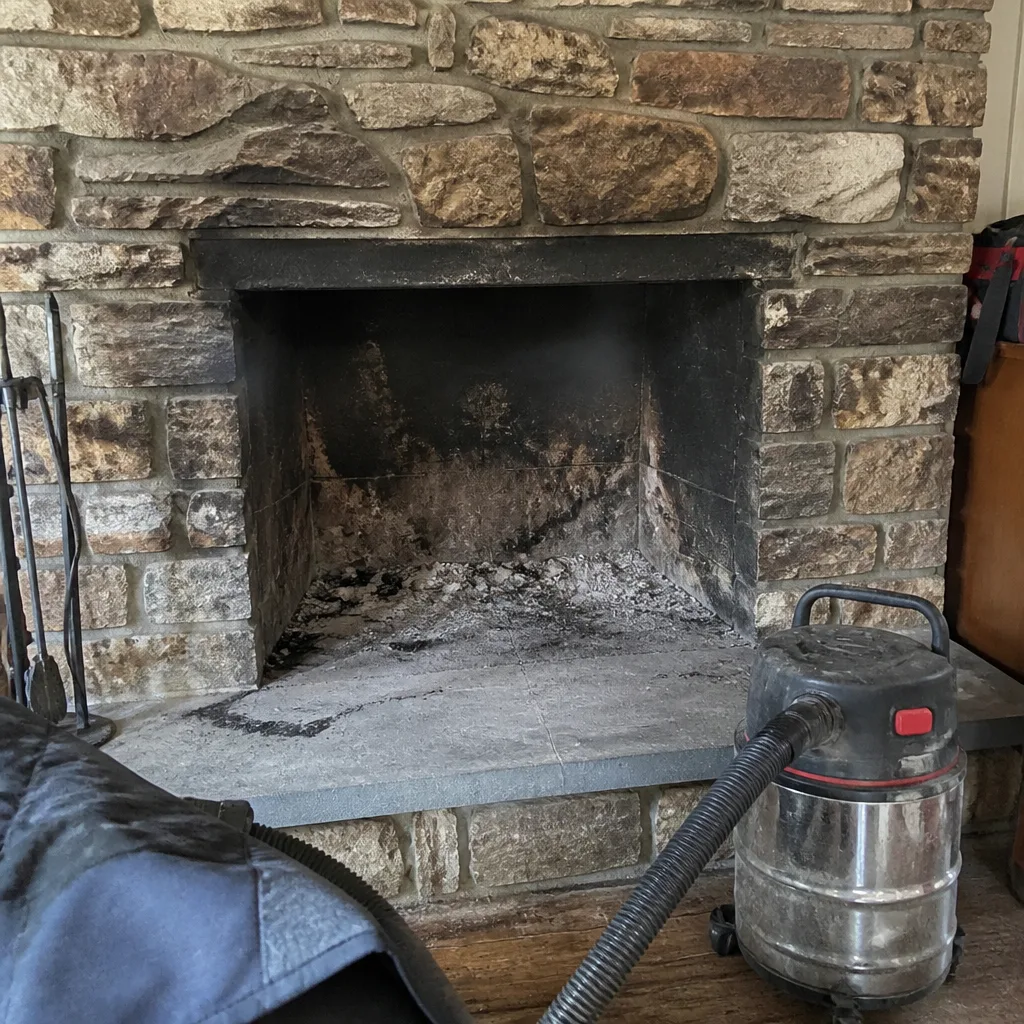 Before
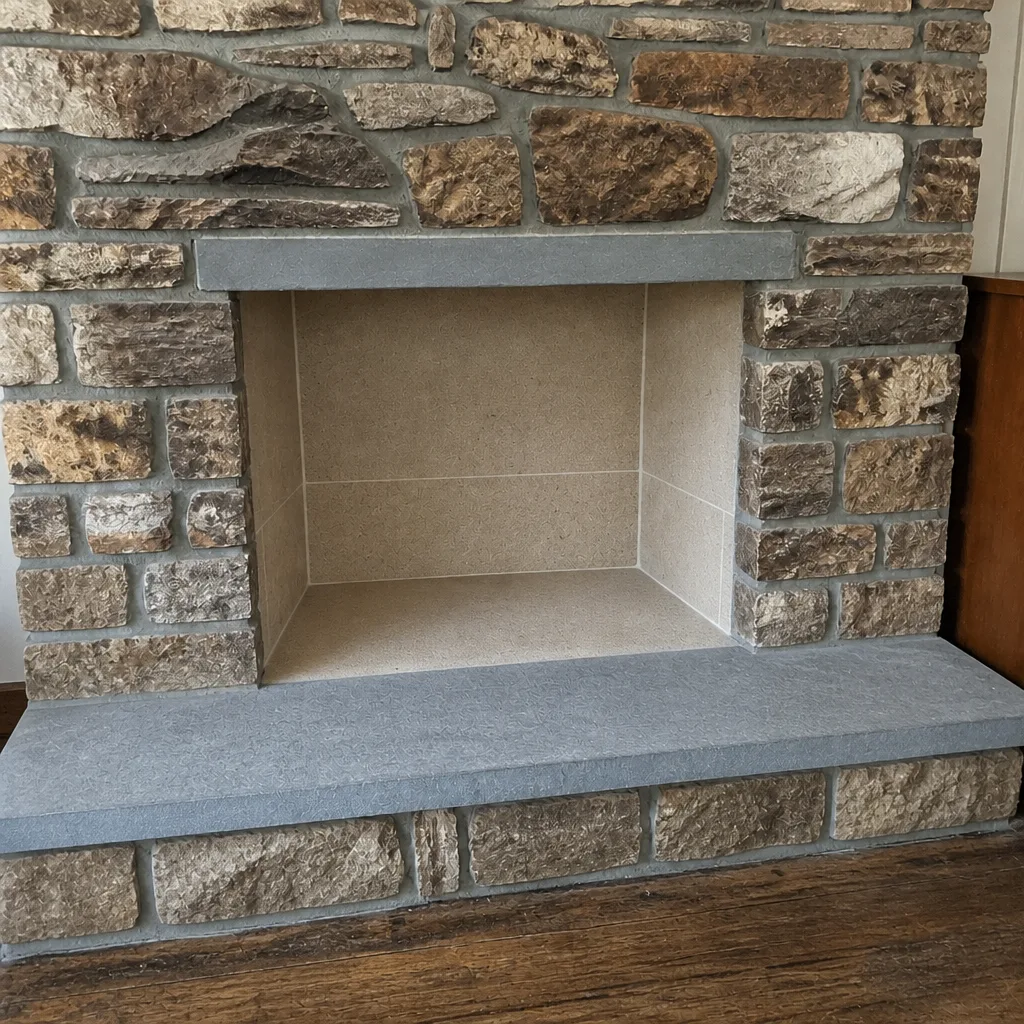 After
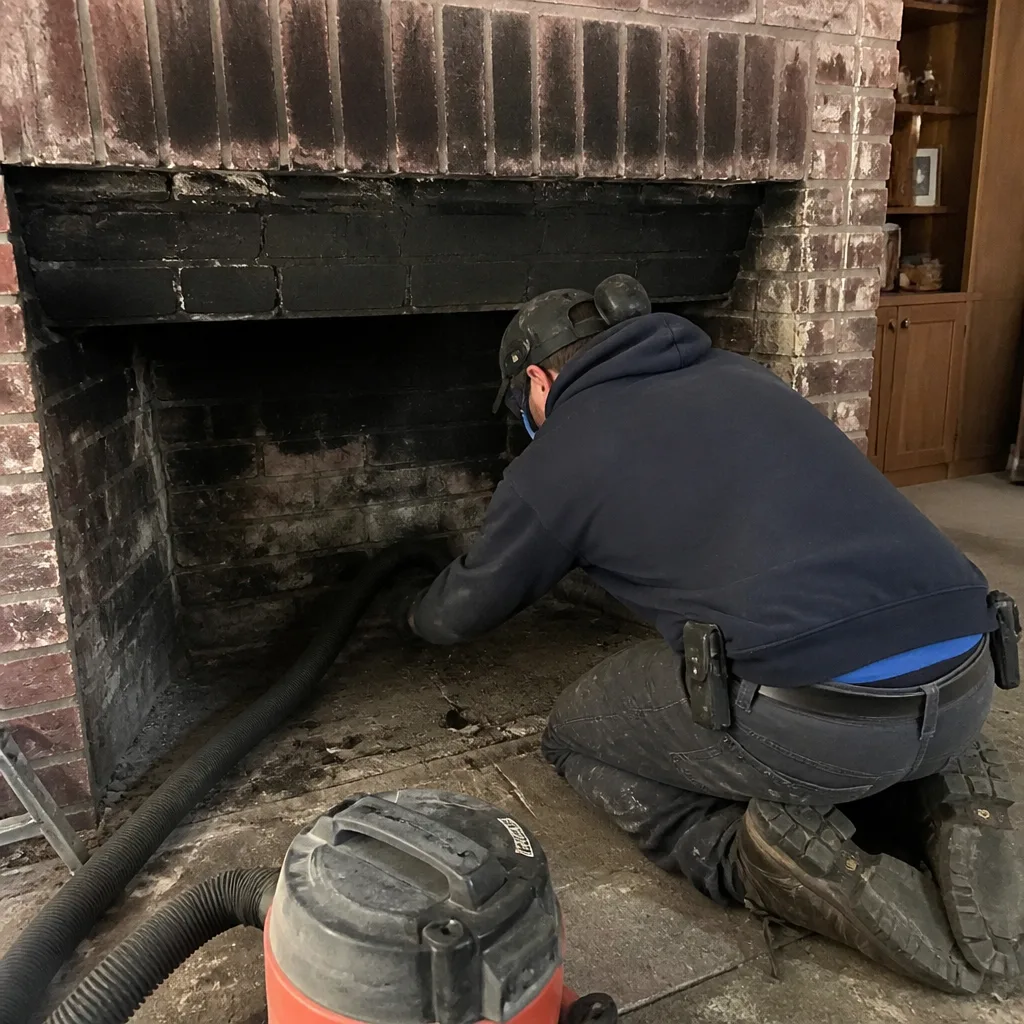 Before
 After
 Before
 After
When to Call a Professional
Call a chimney professional for anything beyond a routine sweep. Specific triggers: the chimney hasn’t been inspected in more than a year, the fireplace is being used for the first time in a season, you’ve changed the appliance or fuel type, a house you’re buying or selling has a chimney more than a few years old, there’s been a chimney fire or a strong smell of creosote inside the house, water is staining the ceiling or wall near the chimney, or the flue tiles you can see from the firebox are cracked or missing. Liner installation, crown work, flashing repair, and any masonry above the roofline are professional-level tasks – the height, the tools, and the code knowledge aren’t a DIY project. Chimney Sweep Oxford Circle offers free estimates in Oxford Circle – call (855) 259-0792. We answer 24/7. Fast dispatch from 7am to 7pm, Sunday through Friday.
Frequently Asked Questions
No. Routine chimney cleaning and a Level 1 inspection in Oxford Circle do not require a Philadelphia permit. Permits belong to the alteration scope – liner installation, crown reconstruction, structural rebuilds – not the cleaning itself. If your contractor says every visit needs a permit, ask for the code reference. Call (855) 259-0792 if you want the permit question answered in writing before work is scheduled; estimates are free.
Yes, in most cases. Adding or replacing a flue liner is a modification of the chimney’s structural characteristics, which Philadelphia classifies as an alteration under the Building Code. Alterations need a permit, drawings, and inspection. The exact requirement depends on the scope of the work, but we treat liner replacement as a permit job as a default unless the scope is clearly repair and maintenance. Call (855) 259-0792 to discuss your scope.
A Level 2 inspection is defined by NFPA 211 and includes the visible and concealed portions of the chimney system, using video scanning. It’s required after a change of fuel type, appliance change or replacement, a chimney fire, any structural event that could have damaged the chimney, or a property transfer. It’s not a service – it’s a code response to specific circumstances. Call (855) 259-0792 if you’re not sure whether your circumstances trigger one; estimates are free.
You can list it, but the buyer’s inspection will likely identify the unpermitted work, and the transaction will stall until it’s resolved. The resolution is typically a retroactive permit if the work is recent and can be inspected, or a re-do if it can’t. The cost of bringing the work into compliance at resale is almost always higher than pulling the permit at the time of the original work. Call (855) 259-0792 before you list, not after.
Ask for the certificate of insurance for general liability and workers’ compensation, then call the carrier listed and confirm the policy is active and covers above-roof work. A certificate alone isn’t verification. In Oxford Circle’s rowhouse setting, the difference between a covered contractor and an uncovered one is your homeowner’s policy if something goes wrong. We provide certificates before work begins and answer the coverage question in writing. Call (855) 259-0792 to request them; estimates are free.
A post-installation inspection verifies the liner is continuous and correctly sized, clearances to combustibles are maintained, the crown and cap are in sound condition, the appliance drafts correctly, and a written report with photos documents the completed work. If the job was permitted, the city closes it out with a final inspection sign-off or certificate of occupancy. Ask for both – the contractor’s report and the city’s certificate. Call (855) 259-0792 if you need an inspection of work already completed; estimates are free.
No. A chimney sweep removes creosote and debris, and the visual assessment that goes with it is a Level 1 inspection. A Level 2 or Level 3 inspection is a different scope with video scanning and access to concealed areas. Most chimney visits in Oxford Circle include a Level 1 as part of the sweep, but the level of inspection should match the circumstances. Ask which level you’re getting before the technician arrives.
The Bottom Line
Chimney cleaning in Oxford Circle rarely needs a permit. Chimney repair often does. The dividing line is alteration versus repair and maintenance – liner installation, crown replacement, and structural rebuilds cross it, and routine sweeping does not. A Level 2 inspection is required after a fuel change, appliance change, chimney fire, structural event, or property transfer, and it involves video scanning plus concealed-area access, not just a visual pass. Verify contractor insurance before work begins, ask for the post-installation report and the certificate of occupancy where applicable, and keep the whole permit file with the house. Every one of these steps is cheaper at the time of the work than at resale or after a loss. Call (855) 259-0792 for a free estimate on any scope – permits included. We answer 24/7. Fast dispatch from 7am to 7pm, Sunday through Friday.
Written by the team at Chimney Sweep Oxford Circle.