
Last updated November 22, 2026
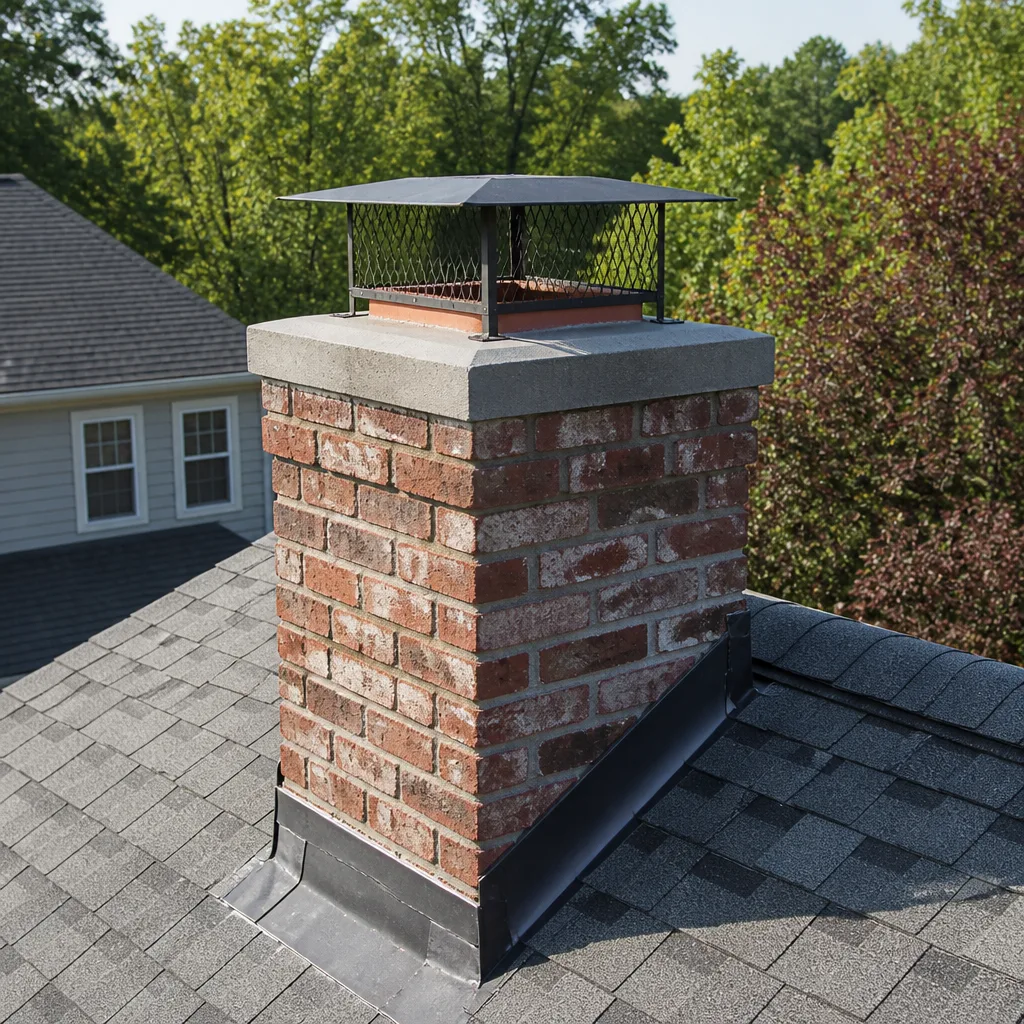 Sweep & inspection
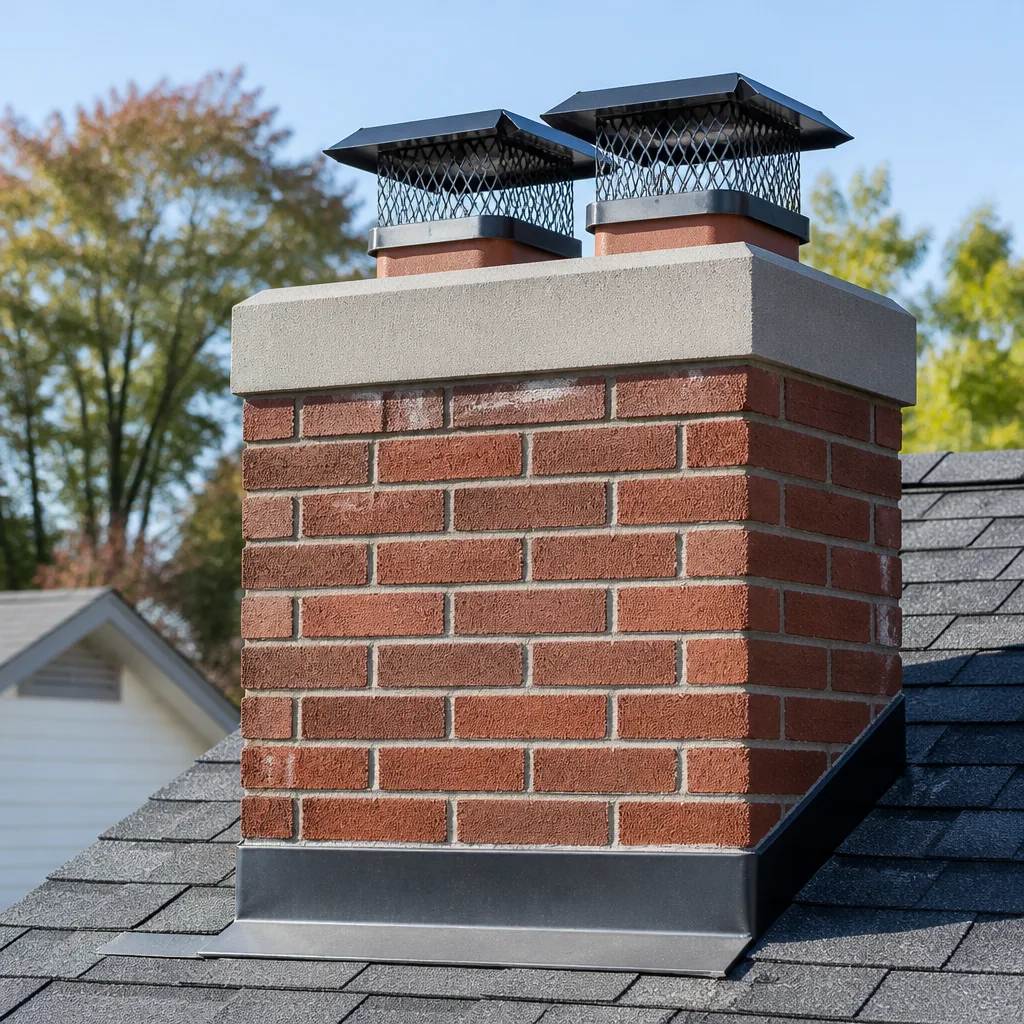 Caps & crowns
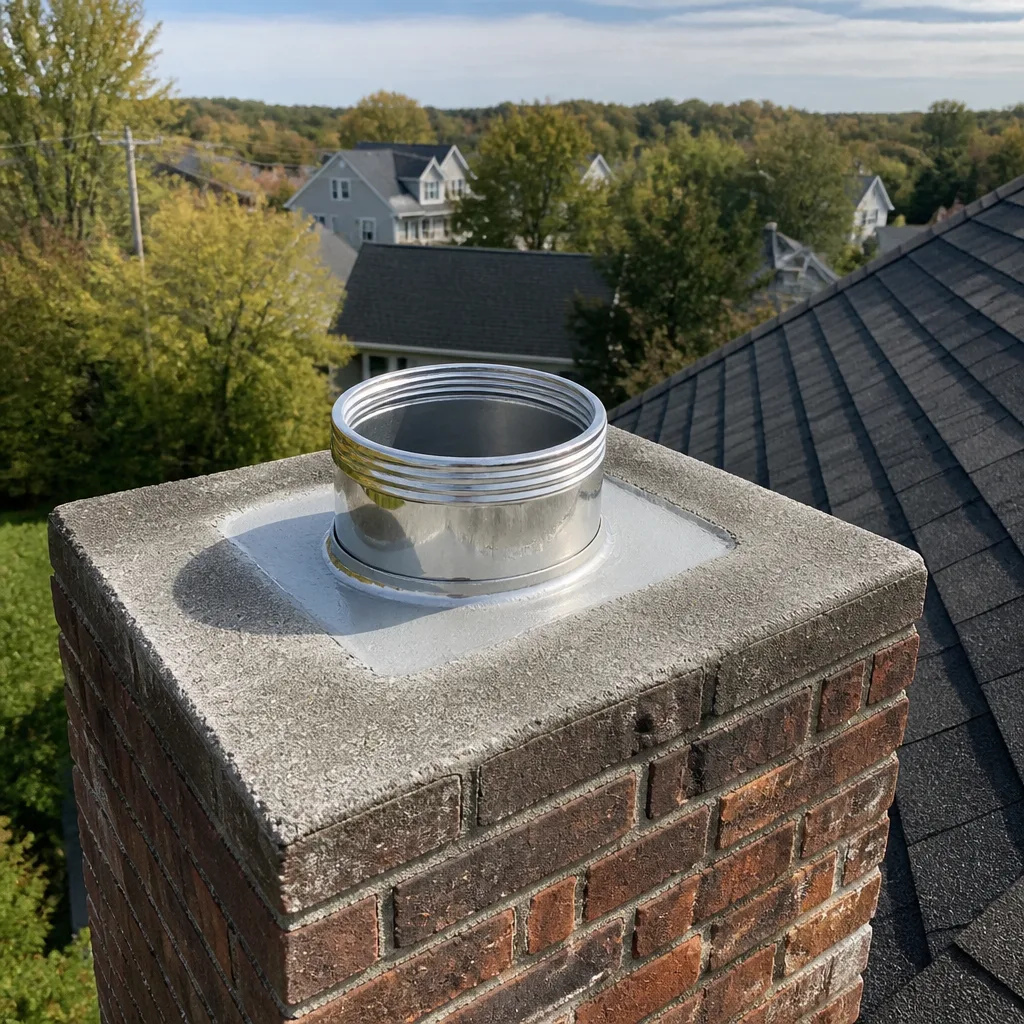 Flue relining
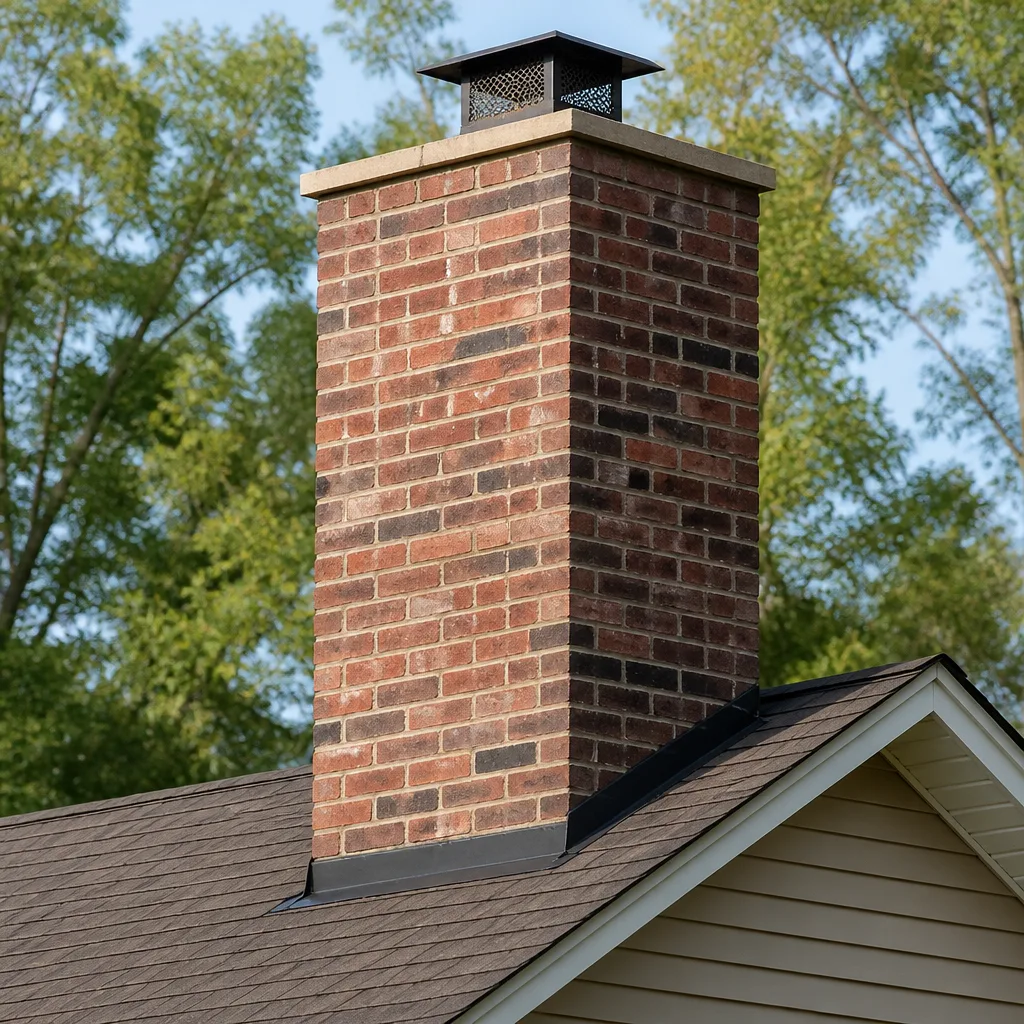 Masonry repair
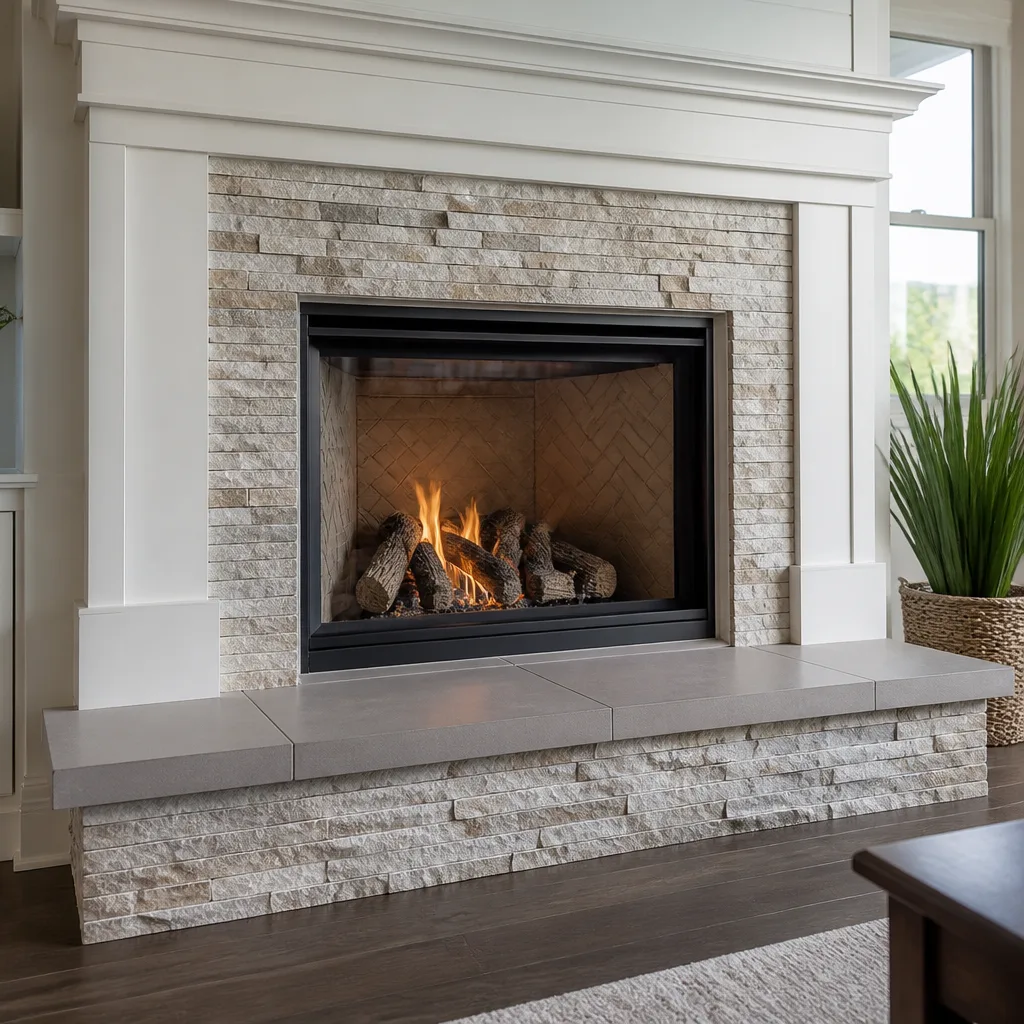 Gas fireplace service
Level 1 sweep and inspection to the NFPA 211 annual standard - flue, crown, cap, and flashing checked and photographed
Chimney sweep logs do not sweep chimneys. They loosen some creosote - which then falls where a brush and vacuum still have to collect it.
Chimney Cleaning Warning Signs: An Oxford Circle Homeowner’s Reference Guide
A smoky smell in the living room on a cold morning with no fire burning isn’t a draft quirk. It’s often the first sign of a negative pressure event pulling combustion gases back through a compromised damper or liner. That’s the chimney telling you something before the season gets worse.
The warning signs that matter most rarely look dramatic. A chimney fire announces itself. The signals that do real damage are the low-grade ones homeowners write off as normal fireplace behavior: a faint smell, a little smoke on startup, a fire that needs the door cracked to burn. This guide gives names and meanings to those signals so you know which to schedule around and which mean stop using the fireplace entirely. It’s written for Oxford Circle homeowners whose rowhouse chimney shares more with the walls around it than they might expect.
Styles & brands we work with
- Sweep & inspection
- Caps & crowns
- Flue relining
- Masonry repair
- Gas fireplace service
Quick Answer
The chimney cleaning warning signs that matter most in Oxford Circle are smell changes, smoke rollout at the firebox on startup, white staining or black streaking on masonry, and a fire that won’t draw without the door cracked. Any of these means the flue, damper, or smoke chamber has changed and needs inspection before the next burn. Strong sulfur or musty odors, falling firebrick, or visible smoke escaping into the room means stop using the fireplace until a technician looks at it.
Table of Contents
- Quick Answer
- What Your Chimney’s Smell Is Telling You
- Visual Signals at the Firebox That Point to Liner Trouble
- Draft Problems and What’s Actually Causing Them
- Creosote Stages: The Progression Homeowners Miss
- Sounds and Mechanical Signals from the Flue
- Schedule Soon vs. Stop Using: A Triage Framework
- Why Oxford Circle Rowhouses Share Chimney Problems
- Common Mistakes to Avoid
- When to Call a Professional
- Frequently Asked Questions
- The Bottom Line
What Your Chimney’s Smell Is Telling You
Chimney odors are chemical messages. Each one points to a different stage of buildup or damage, and treating them all the same way is why some homeowners keep sweeping without fixing the actual problem. In Oxford Circle, our technicians treat smell as a diagnostic starting point, not a nuisance to mask.
An oily or asphalt-like smell is the classic signature of stage 3 creosote. Creosote at this stage has hardened into a glazed, tar-like coating on the flue wall, and it’s the fuel that turns a small chimney fire into a structural one. Sweeping alone won’t remove it. This is where resurfacing comes in. We apply HeatShield, a code-compliant resurfacing system, to smooth the damaged flue and restore a proper flue surface. It’s the same material spec’d for certified chimney repairs nationwide.
A sulfur or rotten-egg smell usually means moisture is reacting with ash deposits in the firebox or smoke shelf. Poorly sealed caps let rain in, and standing ash becomes a breeding ground for that sour smell. The cap or crown is often the culprit, which is why chimney cap & crown work fits alongside any cleaning job.
A musty or organic smell points elsewhere. That’s either animal intrusion (birds, squirrels, raccoons nesting in the flue) or moisture penetrating crumbled masonry from the outside. In Oxford Circle, our older brick 1920s-era rowhouses are especially prone to moisture wicking through mortar joints, so musty smells deserve a close look at the exterior stack.
Visual Signals at the Firebox That Point to Liner Trouble
What you can see from the firebox opening often reveals what’s happening inside the flue. Before you light a fire, look closely at the brick and mortar around the opening. Three patterns matter:
- White staining (efflorescence). Chalky white powder on firebrick or surrounding masonry is mineral salts pushed out by moisture migrating through the brick. It’s cosmetic on the surface but a reliable sign that water is getting behind the masonry somewhere. Often the crown or flashing.
- Black streaking outside the firebox. Soot trails above or beside the firebox opening mean smoke is escaping the firebox, not the flue. That usually points to a warped damper, a cracked smoke chamber, or a flue that’s undersized for the firebox. Smoke chamber repair is where HeatShield really earns its place.
- Spalling firebrick. Any firebrick that’s flaking, crumbling, or coming loose is failing. Loose brick falls into the firebox and into the flue. Nothing good happens after that.
A fresh crack in the firebrick is not a “maybe.” It’s an open path from the fire into the brickwork behind it, and that brickwork was never designed to hold combustion gases. We’ve seen small cracks turn into a full liner project because the homeowner waited a season. If the firebrick is falling apart, the repair usually includes a rebuild of the firebox interior along with a flue liner – DuraFlex flexible liner systems are standard for this kind of work because they flex through the existing chimney without requiring a full stack tear-down.
Draft Problems and What’s Actually Causing Them
Draft complaints are the most underdiagnosed category of chimney problem we see in Oxford Circle. A fire that smokes on startup, or only smokes on windy days, or needs the door cracked to stay alive, is a fire burning in a compromised flue. Here’s what each behavior usually points to:
- Smoke rollout on startup. Cold flue meets warm fire, and if the flue is blocked or undersized, the smoke has nowhere to go but the room. But when startup smoking is persistent, the cause is usually a flue obstruction (nest, debris, heavy creosote) or a partially collapsed smoke chamber.
- Fire won’t draw unless the door is cracked. The door is acting as an extra air supply the chimney itself should be providing. Common causes are an undersized flue liner, a liner with a disjointed interior that disrupts airflow, or a blocked air supply from the exterior intake.
- Excessive smoke smell on windy days. Wind-driven downdrafts into the firebox usually mean the cap isn’t performing, the flue is shorter than neighboring rowhouse stacks, or negative pressure from a kitchen or bath exhaust is pulling air the wrong way. In Oxford Circle’s tightly packed rowhouse blocks, adjacent stacks and party walls change how air moves across the roof, so a cap that works on a detached house won’t always work here. Gelco and Famco caps are engineered for the flue sizes and wind patterns we see on these blocks.
One more cause worth naming: a fireplace insert retrofitted without the correct liner. An insert needs a properly sized, properly connected flue liner to draw correctly. We see this on plenty of older Oxford Circle homes where an insert was installed to add heat without upgrading the flue. That’s a solution that creates a larger problem.
Creosote Stages: The Progression Homeowners Miss
Creosote is the single most important chimney warning sign, and it’s the one nobody can see for themselves. It builds in stages, and each stage changes what the cleaning requires. A basic sweep handles stage 1. Stage 2 is harder to brush out. Stage 3 is a fire hazard and a structural repair.
- Stage 1 – Soot and light flaky creosote. Removed by a standard brush sweep. This is where routine annual cleaning keeps the chimney safe.
- Stage 2 – Hardened, crusty creosote. Sticks to the flue wall and resists the brush. Needs a firmer brush and rotating tool work. Homeowners don’t usually see this stage – the tech does.
- Stage 3 – Glazed, tar-like creosote. This is a fuel source. A single spark within it can ignite a chimney fire. Sweeping won’t touch stage 3. The flue either needs chemical treatment or resurfacing with HeatShield. If the flue tiles are cracked beneath the creosote, a DuraFlex liner goes in.
What makes creosote buildup worse in Oxford Circle than many homeowners expect: rowhouse fireplaces get used hard through winter, but the flue itself stays cold because the chimney is stuck in a shared party wall and not exposed on all four sides. Cold flues condense creosote faster. Same wood, same habits, more buildup than a chimney on a detached home. This is one of the reasons annual inspection matters here more than the “every few years” advice you’ll find online.
Sounds and Mechanical Signals from the Flue
Chimneys talk. Some sounds are normal, some are the beginning of a problem worth a phone call.
- Clicking or fluttering from the flue on windy days. A loose damper, an undersized or dislodged cap, or a birds nest shifting in the flue. Worth a look; not usually urgent.
- Loud roaring whoosh while the fire is burning. That’s a chimney fire. Stop burning, close the damper (if it’s safe to reach), get out, and call the fire department. Even a small fire cracks tiles.
- Scraping or tapping from the firebox when nothing is burning. Almost always an animal in the flue. Squirrels and birds come down Oxford Circle chimneys in spring and fall, especially when caps are missing.
- A soft rumble from behind the firebox brickwork. Very rarely, this is the sound of masonry shifting. If you hear it, stop using the fireplace until we inspect.
The rushing-air noise that comes from a properly drawing chimney is bright and steady. If the sound changes, or you can hear air moving in a flue that should be silent, that’s the pre-burn moment to call. Our technicians have up to 9 years of experience and can usually tell whether it’s a draft issue, an obstruction, or damaged masonry from the flue sound alone before we even run a camera down the stack.
Schedule Soon vs. Stop Using: A Triage Framework
Not every warning sign is an emergency, and panicking doesn’t help anyone. But it helps to have clear criteria. Use this framework when you spot something you’re not sure about.
Stop using the fireplace until inspected
- You heard or saw what looked like a chimney fire (roar, pop, black smoke from the top, soot burst into the room)
- Loose firebrick is falling into the firebox or a section has visibly crumbled
- Smoke is rolling into the room during normal burning, not just on startup
- A musty smell with visible debris in the firebox or a tapping noise from the flue
- Anyone in the home has had headaches, dizziness, or nausea while the fireplace is running – that’s a carbon monoxide signal and the gas appliance needs a professional look immediately
Schedule a sweep soon, but it’s OK to burn carefully in the meantime
- Occasional puff of smoke on startup that clears within a minute
- Odor on cold damp mornings before the first fire of the season (often just cold flue air pushing odors through a warm house)
- White efflorescence on firebrick, or a mild musty smell in the room with no visible debris
- A fire that occasionally needs the door cracked on windy days but draws fine otherwise
The distinction matters because “stop using” means exactly that – don’t test it, don’t burn a small fire “just to check,” and don’t assume a weak fire is fine. A compromised flue can pull carbon monoxide into the living space even when the fireplace looks like it’s working. If the flue has lost its structural seal, only a trained tech can tell you whether it’s safe to relight. And if there’s any question about the code compliance or the structural condition of the flue, that’s a chimney repair question rather than a cleaning one.
Why Oxford Circle Rowhouses Share Chimney Problems
Oxford Circle’s attached rowhouse construction is the single biggest reason a chimney warning sign in one home is often a shared issue. Rowhouses build chimneys into the party wall, and that shared brickwork travels between neighbors. A few things follow from that:
- Moisture travels. Water entering a crumbling crown or failed flashing on one side of the party wall can show up as efflorescence or a musty smell on the neighboring side. If your neighbor’s chimney is getting repaired, it’s worth having yours inspected at the same time.
- Draft is affected by neighbors. Two chimneys sharing a party wall but drawing at different heights and with different caps change the microclimate. A shorter flue next to a taller neighbor flue is more prone to downdraft on windy days.
- Structural movement is shared. A settling or shifting rowhouse can crack the firebrick and smoke chamber on both sides of the wall at once. The tuckpointing and masonry jobs that fix one side often need to involve both.
- Fire spreads through shared voids. A chimney fire in a rowhouse is a fire in the shared structure. That’s a code and safety reason a damaged flue in your home is a call to the neighbor, not just a solo project.
When we inspect an Oxford Circle rowhouse chimney, we look at the exterior stack, cap, crown, flashing, and the firebox side by side, because that’s how the structure actually behaves. Chimney Sweep Oxford Circle treats the chimney as one system from the firebox to the crown, and the rowhouse layout is exactly why the system approach matters here.
Common Mistakes to Avoid
- Masking odors with air fresheners or scented candles. The smell is a chemical signal, not a nuisance. Covering it hides a stage 3 creosote problem or a moisture issue until the next fire shows it.
- Burning “seasoned” wood that isn’t. Wood sold as seasoned in Oxford Circle isn’t always dry enough. Wet wood produces more creosote, faster, especially in a rowhouse chimney that doesn’t warm up on all sides.
- Sweeping and calling it done. Sweeping removes stage 1 buildup. It does nothing about a cracked flue tile, a warped damper, or a failing crown. The right fix depends on what’s underneath the soot.
- Adding an insert without a liner. Skip this and you’ve created the draft problems above. An insert needs a properly sized, properly connected liner to draw correctly and vent safely.
- Ignoring signs because the fire “looks fine.” A fire can burn well and still be pulling combustion gases into the home through small cracks. The fire tells you it’s getting oxygen; it doesn’t tell you where the exhaust is going.
- Hiring a sweep-only crew for a repair. A sweep-only company leaves you needing a second contractor for the cap, liner, or rebuild. That’s two visits, two scopes, and two opinions. Full-system chimneys work best with one company that can go from diagnosis through rebuild.
- Assuming the cap is optional. Missing caps are behind most animal intrusion, much of the moisture damage, and a lot of draft complaints. Cap and crown work is not a luxury.
When to Call a Professional
Call a chimney professional when any of the following is true: the fireplace smokes into the room during a normal burn, you’ve heard or suspect a chimney fire, firebrick is loose or missing, there’s a sulfur or musty smell that won’t go away, the flue hasn’t been inspected in two years or more, or your home has a rowhouse layout and a neighbor’s chimney has been repaired. Call immediately if anyone in the home experiences headaches, dizziness, or nausea while a fireplace or gas log is in use.
We use a camera during inspection so you see what we see. Nothing gets recommended without photo evidence you can look at yourself, and we’ll tell you plainly when a problem can safely wait until the next season. The local pro we connect you with is licensed and insured as their state requires, and the written estimate sets the final price before any work starts. If you’d like a sweep and inspection booked, our chimney sweep service in Oxford Circle covers both in the same visit. Chimney Sweep Oxford Circle offers free estimates in Oxford Circle – call (855) 259-0792. We answer 24/7. Fast dispatch from 7am to 7pm, Sunday through Friday.
Frequently Asked Questions
A wood-burning chimney in Oxford Circle should be inspected every year and swept whenever the creosote buildup reaches roughly a quarter-inch on the flue wall. In rowhouses with a party-wall chimney, the flue tends to run colder than a detached home’s, which speeds creosote accumulation. Annual inspection is the correct baseline here; the sweep happens when the inspection says it’s needed. Call (855) 259-0792 for an exact quote – estimates are free.
Creosote builds through stages, and stage 3 glazed creosote is a fuel source that can sustain a chimney fire hot enough to crack flue tiles. Skipping a sweep also hides small cracks and damper failures that let carbon monoxide into the living space. A chimney fire does not need an ignition spark; the right heat in the right deposit is enough. Call (855) 259-0792 for an exact quote – estimates are free.
Pricing is set per job and confirmed in a free written estimate before the sweep is booked. Variables include the number of flues, whether the flue is accessible, and whether stage 2 or stage 3 creosote is present. Camera inspection and photo report are part of the visit, and the estimate is the final price. Call (855) 259-0792 for an exact quote – estimates are free.
You need a liner when the existing flue tiles are cracked, missing, or disconnected, or when a stage 3 creosote problem has damaged the flue surface beyond resurfacing. A camera inspection shows which situation you’re in, and the report includes photos. If the tiles are sound, the answer is no – we’ll say so. If they aren’t, a DuraFlex flexible liner is the standard professional fix. Call (855) 259-0792 for an exact quote – estimates are free.
No. A cold-morning smoky smell without a fire is often the first sign of a negative pressure event pulling combustion gases back through a compromised damper or liner. It can also come from a cold flue pushing stale air into a warm room, but a technician should determine which it is before the season gets worse. If the smell includes sulfur or musty notes, it’s likely moisture or intrusion. Call (855) 259-0792 for an exact quote – estimates are free.
Yes, especially in Oxford Circle’s attached rowhouses. Party-wall construction means moisture, settling, and fire risk travel between joined chimneys, so a repair on one side is a good reason to inspect the other. It’s also cheaper to diagnose both sides during the same visit than after a problem spreads. Call (855) 259-0792 for an exact quote – estimates are free.
The Bottom Line
The warning signs that matter most in an Oxford Circle chimney are the quiet ones: a smell that doesn’t belong, smoke that rolls on startup, a fire that only burns with the door cracked, white staining on firebrick, or a cap that’s missing or loose. Each one is the chimney telling you something specific, and each one has a different fix – cleaning, resurfacing, liner replacement, cap and crown work. What these signs don’t have is a “wait and see” option. Schedule an inspection that includes a camera and a photo report you can review yourself. If the repairs are real, you’ll see the evidence, and if they can wait a season, we’ll tell you so. Chimney Sweep Oxford Circle covers the whole system from the firebox to the crown, so no second contractor is needed, and we use professional-grade materials like DuraFlex, HeatShield, Gelco, and Olympia Chimney because they’re built to last, not patched to pass.
Call (855) 259-0792 for a free estimate. We answer 24/7. Fast dispatch from 7am to 7pm, Sunday through Friday.
Written by the team at Chimney Sweep Oxford Circle.
See the difference
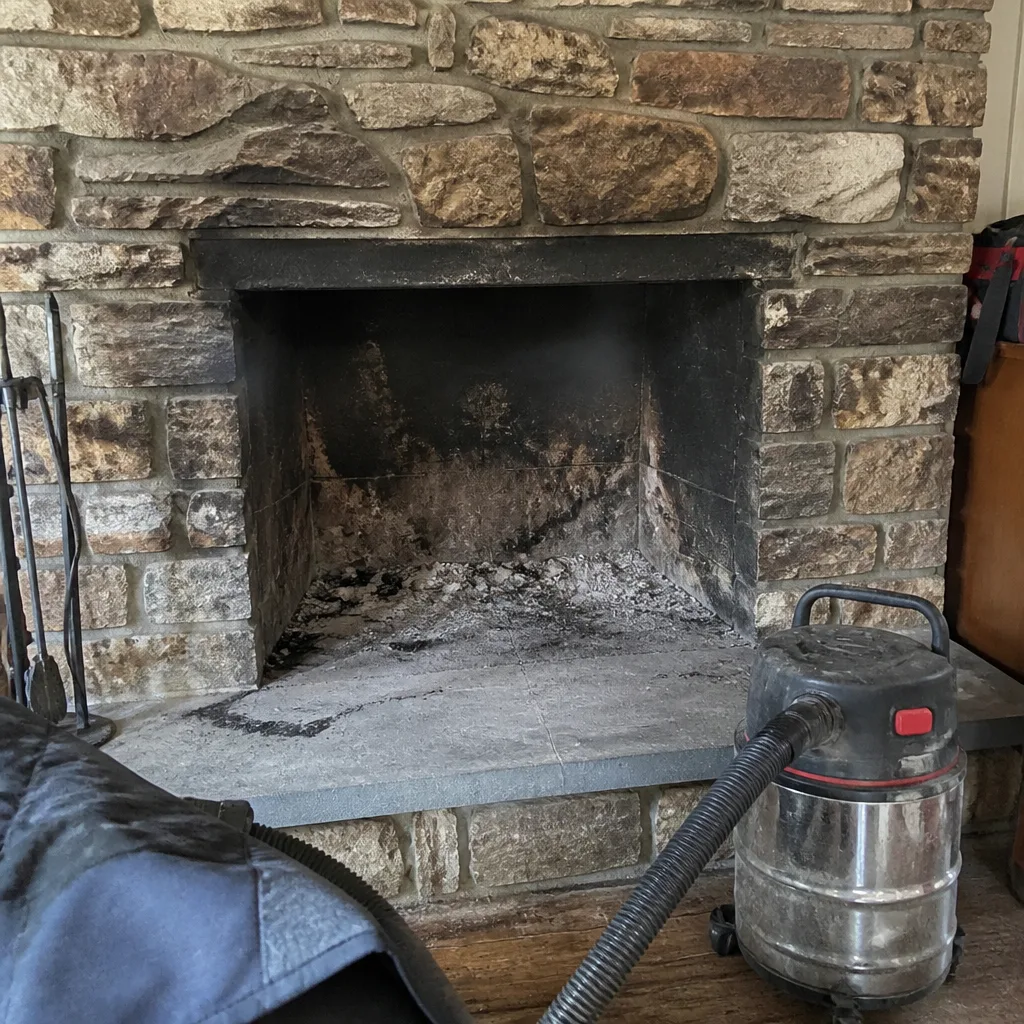 Before
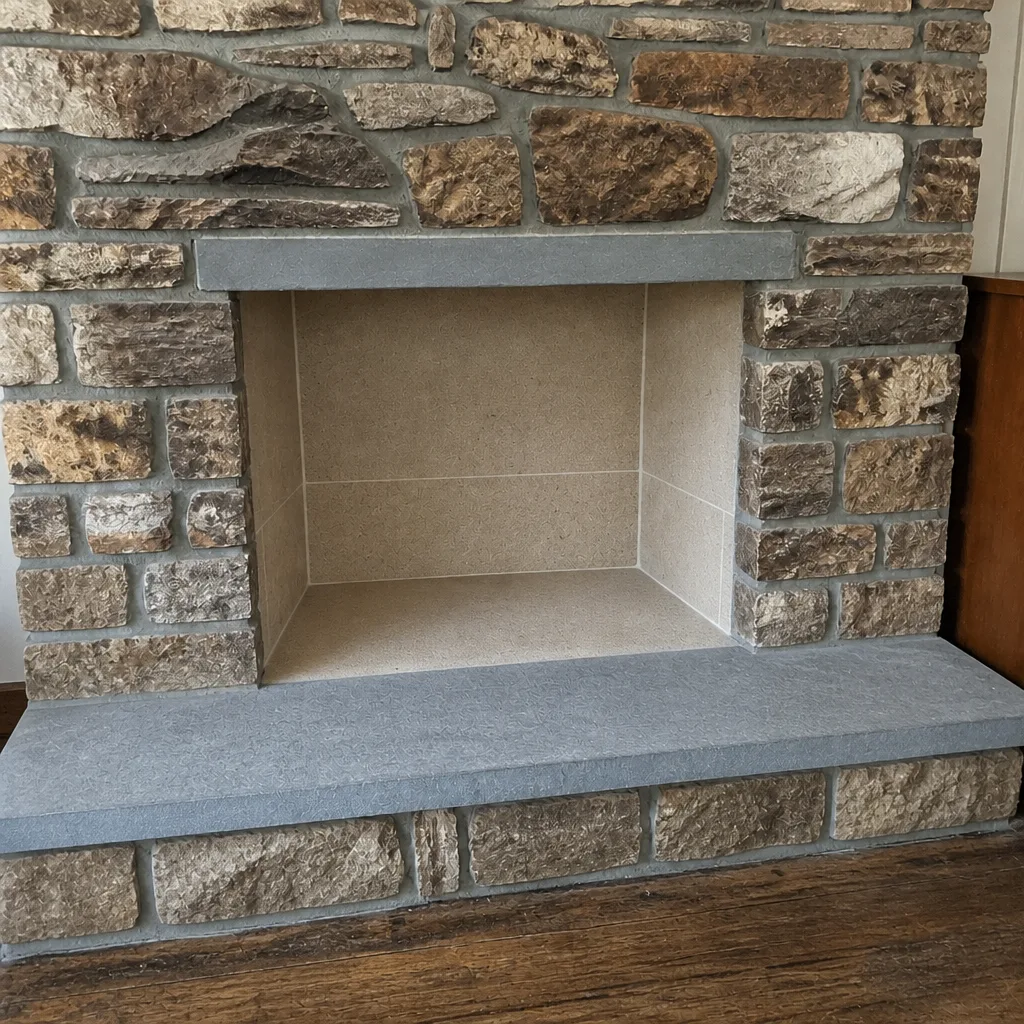 After
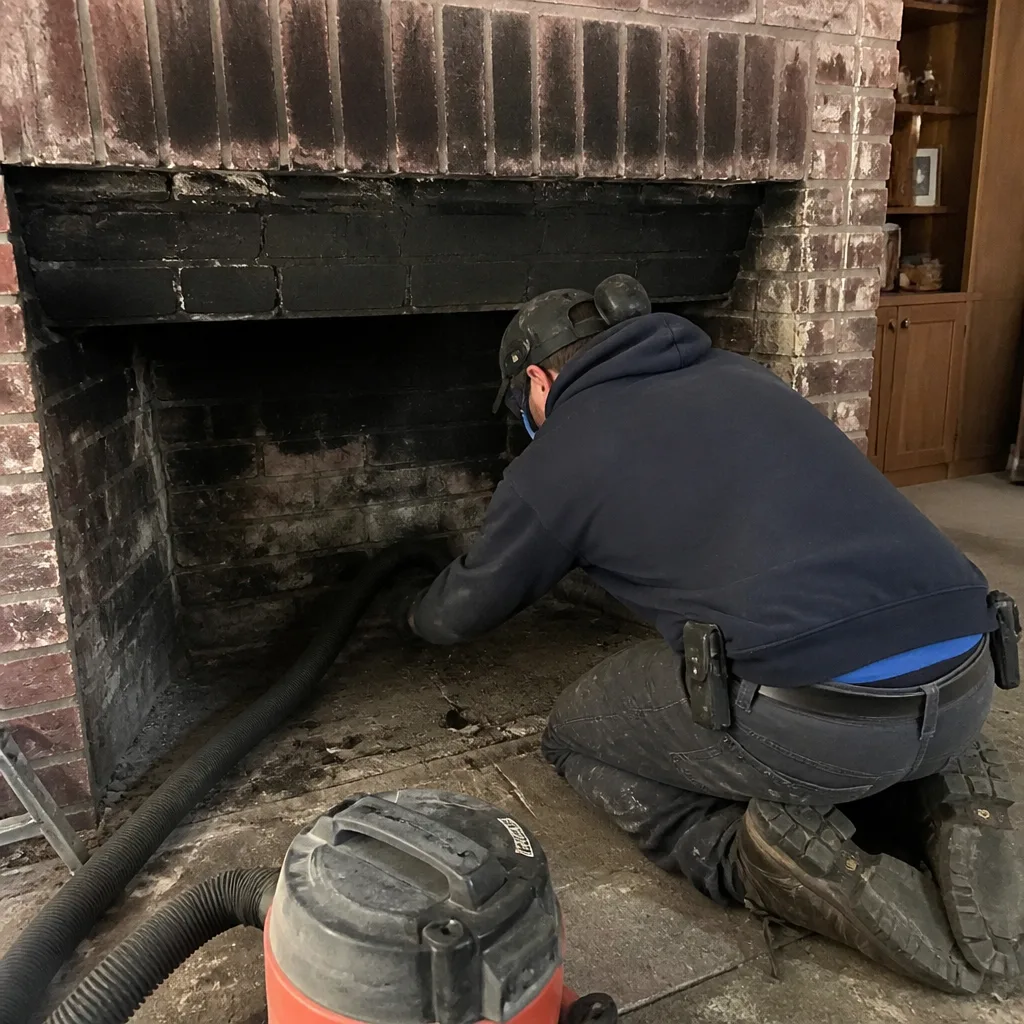 Before
 After
 Before
 After