
Last updated November 22, 2026
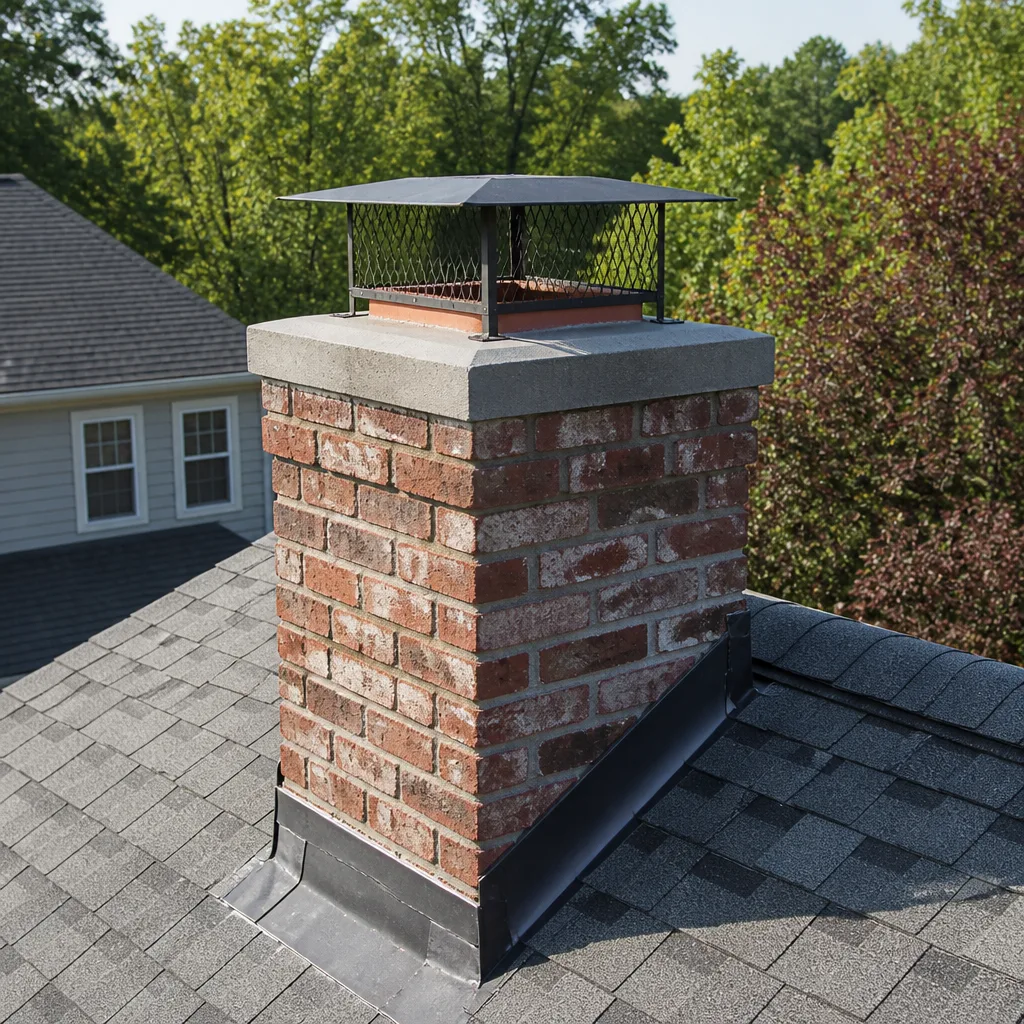 Sweep & inspection
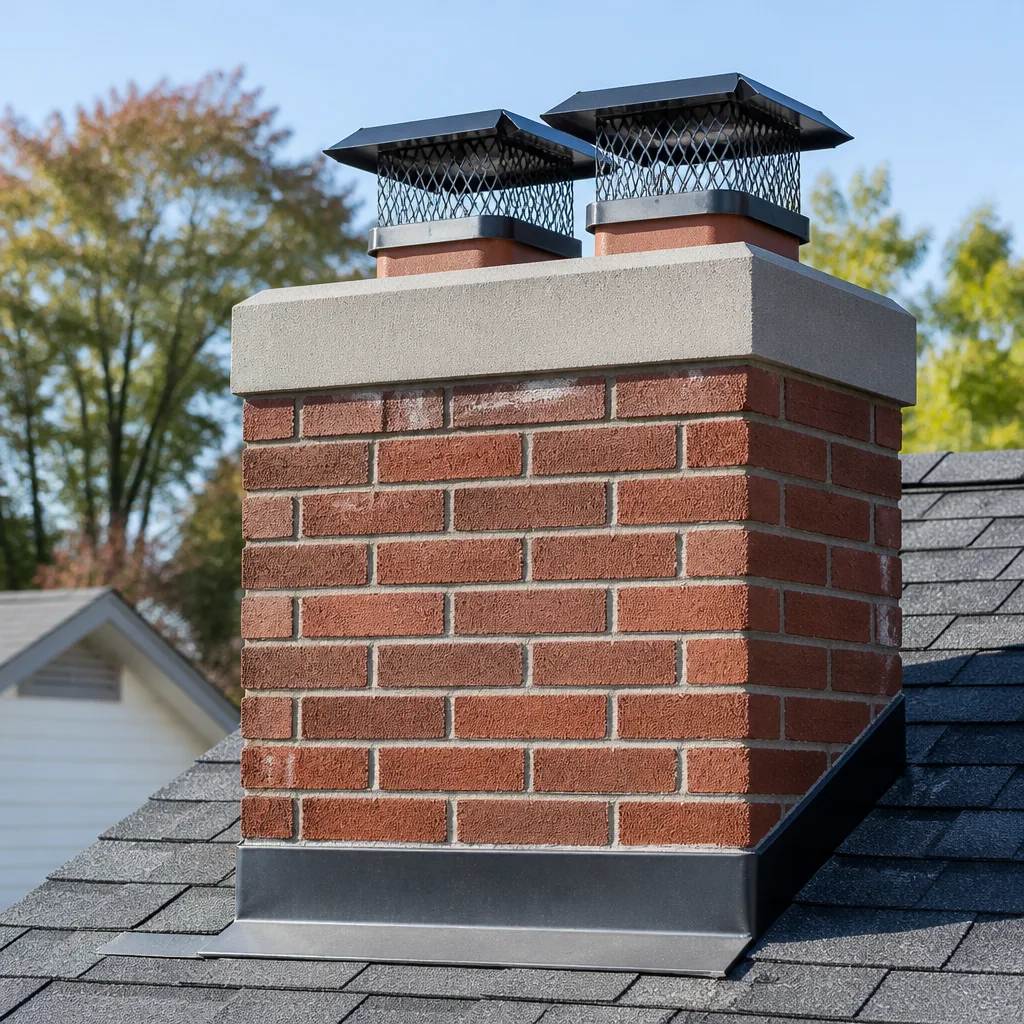 Caps & crowns
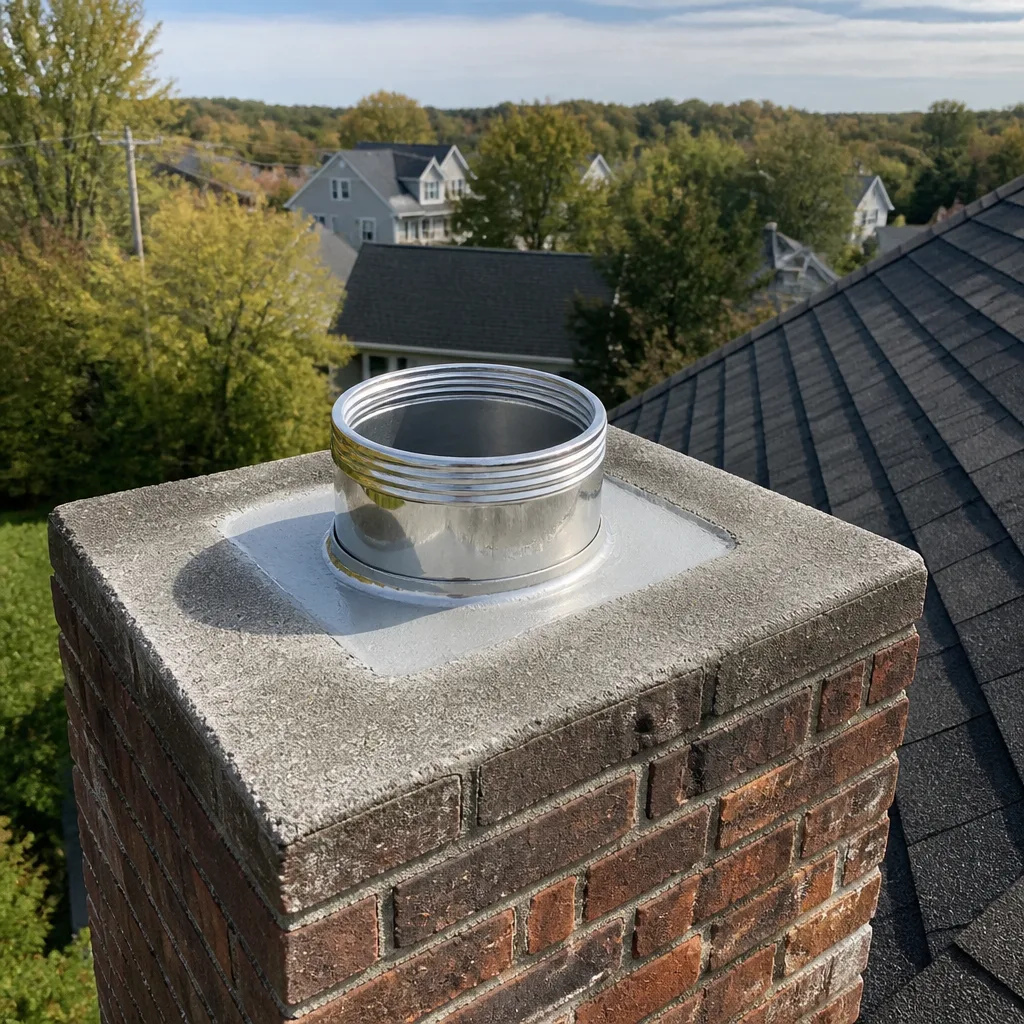 Flue relining
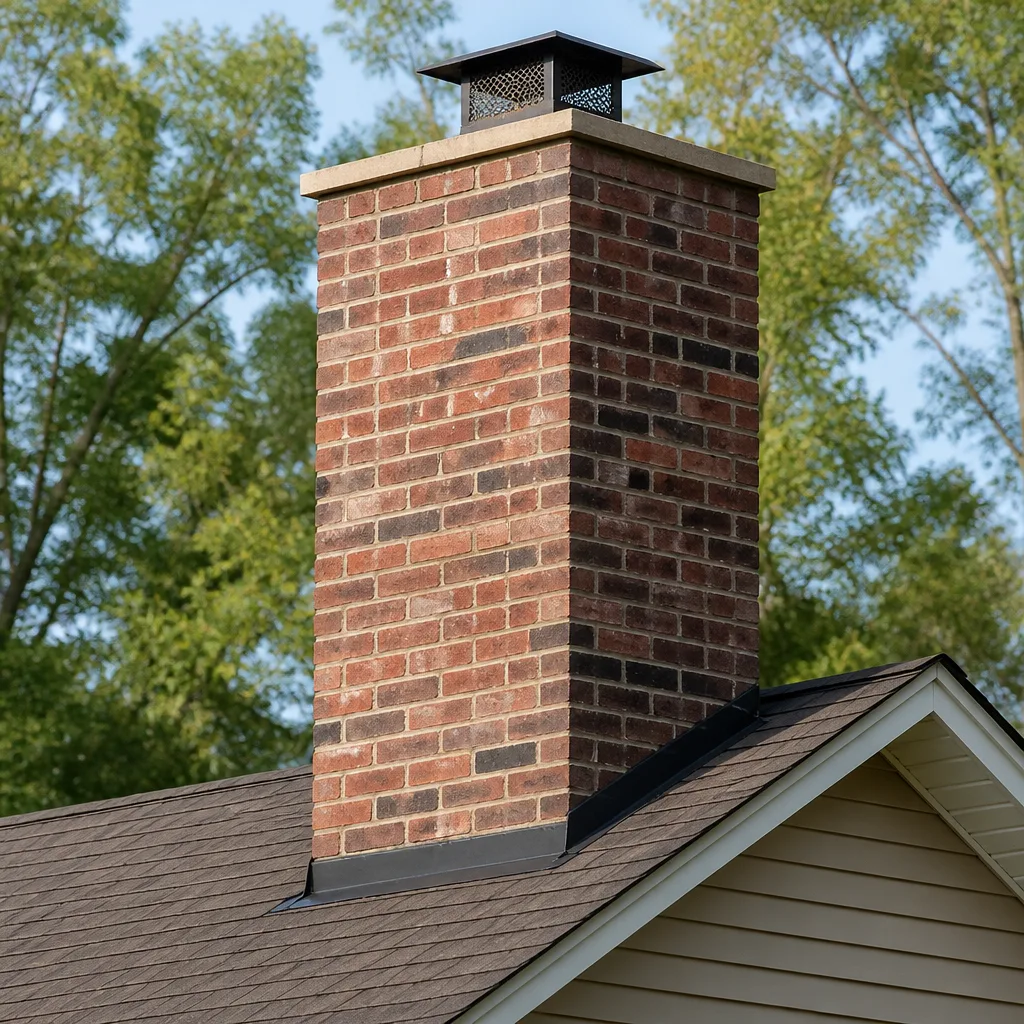 Masonry repair
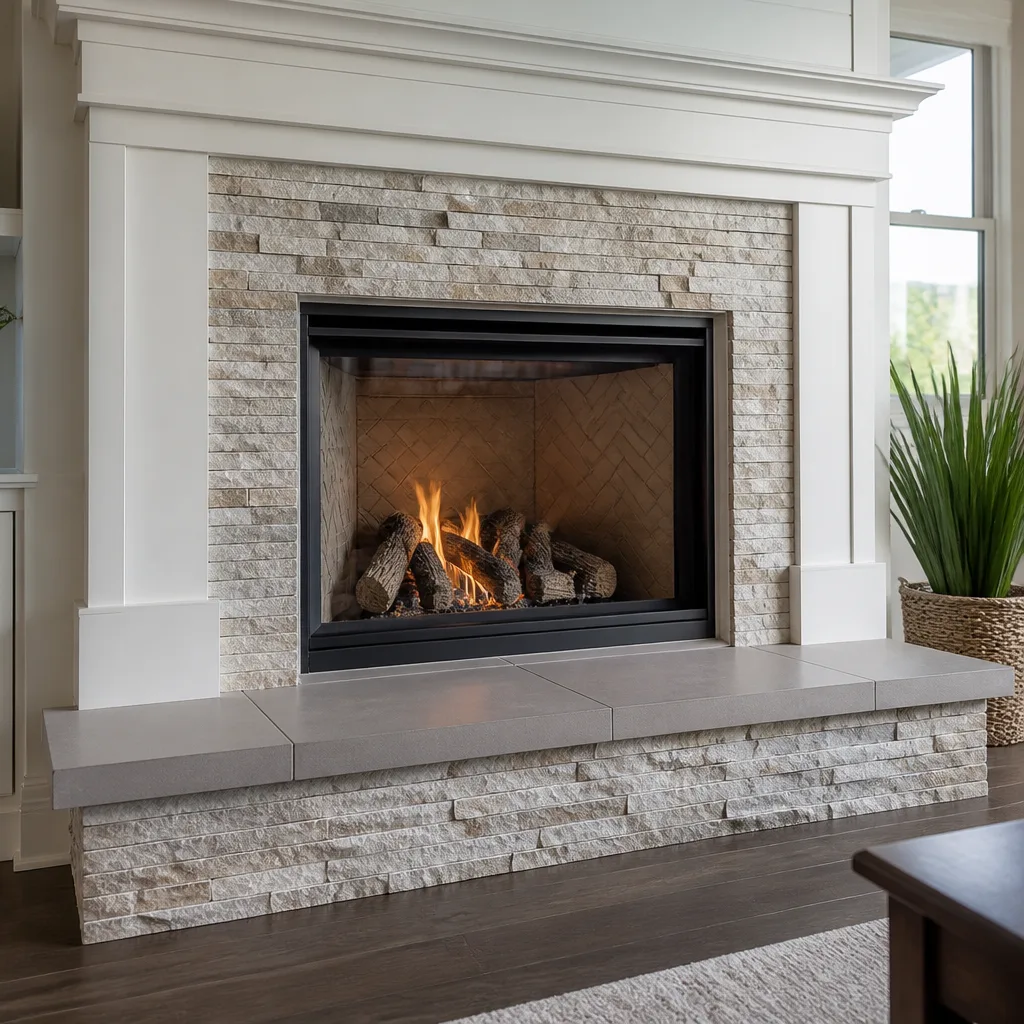 Gas fireplace service
Level 1 sweep and inspection to the NFPA 211 annual standard - flue, crown, cap, and flashing checked and photographed
Chimney sweep logs do not sweep chimneys. They loosen some creosote - which then falls where a brush and vacuum still have to collect it.
DIY vs Professional Chimney Cleaning: The Oxford Circle Homeowner’s Decision Guide
Chimney brush kits are sold at hardware stores. The brushes work. What they don’t do is tell you that the clay tile section at the smoke chamber has separated, or that your Level 2 inspection was required the moment you bought the house. The brush is the easy part. The knowledge of what a flue is supposed to look like when you’re done is what separates a clean chimney from a safe one. In Oxford Circle, where much of the housing stock predates the era of modern flue standards, that gap matters more than it does almost anywhere else. This guide walks through what a homeowner can genuinely accomplish with a kit, what only a trained eye and proper equipment will catch, and how to decide which path makes sense for your home.
Quick Answer
Most homeowners can physically run a brush through a flue, so the DIY question isn’t really about capability. The decision hinges on what a brush misses: camera inspection of the liner, creosote stage assessment, smoke chamber access, and the written inspection record your insurance company may ask for if something goes wrong. If your flue has never been professionally inspected, or if you’ve had a change in fuel type, appliance replacement, or a chimney fire, DIY creates false confidence. Call (855) 259-0792. We answer 24/7. Fast dispatch from 7am to 7pm, Sunday through Friday.
Styles & brands we work with
- Sweep & inspection
- Caps & crowns
- Flue relining
- Masonry repair
- Gas fireplace service
Table of Contents
- What a DIY Chimney Kit Can Actually Accomplish
- What DIY Cleaning Misses: Camera, Creosote, and Liner Integrity
- Oxford Circle Rowhouse Risks Unique to DIY
- The Liability Gap: Insurance Claims and Inspection Records
- When DIY Is a Reasonable Interim Measure
- The Break-Even Math: Kit Cost vs. Professional Sweep
- How a Professional Sweep Actually Works
- How to Choose a Chimney Professional in Oxford Circle
What a DIY Chimney Kit Can Actually Accomplish
A hardware-store chimney kit with a poly brush and a set of fiberglass rods will remove soot and loose creosote from a straight flue. That’s a real service. If your flue is a clean, straight run from the firebox to the cap, and if you’ve had a professional inspection recently, a mid-season brush-down between scheduled sweeps is not a destructive act. It’s a maintenance step. The brush does what the brush is designed to do.
What a kit can do reliably:
- Remove surface soot and light, flaky creosote from a straight flue run
- Clear a bird nest or debris blockage that’s sitting above the damper
- Knock down the top layer of glaze-stage creosote (though this often just creates a mess and doesn’t actually remove the dangerous deposit)
- Verify that air is moving through the flue by a visual draw check
What a kit will not do:
- Run a video camera up the flue to see the condition of the clay tiles or the liner
- Assess creosote stage accurately (light soot, brittle flake, tar glaze, or hardened glaze)
- Reach the smoke chamber, which is the sloped transition zone between the firebox and the flue proper, and where creosote commonly collects
- Access offset flues that require specialized brush techniques and rod flexibility
- Produce a written report that satisfies an insurance adjuster or a home inspector
In our experience, homeowners who buy a kit often clean the flue and feel confident. That confidence is the problem when the flue has a hidden issue. A professional chimney sweep isn’t producing a cleaner flue than you can produce with a brush. The sweep is producing a documented evaluation of the system alongside the cleaning.
What DIY Cleaning Misses: Camera, Creosote, and Liner Integrity
The most consequential thing a professional sweep brings is the camera. A video inspection runs the interior of the flue up on a monitor in real time. What it reveals that a brush cannot: hairline cracks in clay tiles, gaps at tile joints, separation of the flue liner from the surrounding masonry, missing mortar in the smoke chamber, and the beginnings of a liner failure that hasn’t yet manifested as a draft problem or a stain on the ceiling.
Creosote stage assessment is the second thing. Creosote builds in three stages:
- Stage 1: Soot and light flake. Removable with a brush. Low risk, standard cleaning.
- Stage 2: Brittle, crusty deposit. Sticks to the flue wall. Brush-removable but requires more aggressive technique and confirms the burning habits need adjustment.
- Stage 3: Glazed, hardened tar. This is fuel. It’s the stage where chimney fires originate, and it’s almost never removable with a homeowner kit. It requires specialized chemical treatment or rotary equipment, and it’s exactly the stage that a camera sweep is designed to catch.
Liner integrity is the third. The liner is the flue’s containment system. In Oxford Circle’s older homes, many flues have clay tile liners that have been in service for a very long time and may have hairline fractures. A brush will pass over a fractured tile without noticing. A camera won’t. When we find a compromised liner that needs replacement, we install DuraFlex flexible liner systems because the product is engineered for the continuous thermal cycling that a wood-burning flue produces. The point isn’t the brand. The point is that the finding is what matters, and it happens during the inspection, not the brushing.
Oxford Circle Rowhouse Risks Unique to DIY
Oxford Circle’s housing stock is heavily rowhouse. That shapes the DIY question in ways it wouldn’t in a suburb with detached houses and generous roof access.
Working on shared rooflines. In a rowhouse block, the chimney stack is one of several. Exterior access to the top of the stack requires roof work near neighboring properties. There are no anchor points on a shared parapet. A homeowner working from a ladder braced against a shared wall is working in a compromised position with no fall protection. This is one of the reasons we don’t describe DIY roof access as an option: the risk isn’t the brush, it’s the elevation.
Debris containment in tight interiors. A brush-down of a chimney in a narrow rowhouse interior releases soot and creosote dust into the living space. Professional sweeps use drop cloths, a sealed work zone, and a HEPA vacuum running throughout the cleaning. A homeowner with a tarp and a shop vac will spend the following week wiping down surfaces. In a rowhouse with shared walls and connected attic spaces, the dust travels further than expected.
Flue access in pre-war configurations. Some older Oxford Circle houses have offset flues: the firebox sits in one position, and the flue shifts laterally before running up. Straight-rod brushes frequently fail to negotiate the offset. The brush jams, the homeowner pushes harder, and the rod or brush head can damage the flue tile or dislodge a smoke chamber component. Offset flues require flexible rods and a technique that comes from repetition, not from a manual.
Smoke chamber access. The smoke chamber is above the damper and below the flue. It’s the sloped zone that funnels smoke into the flue. It collects creosote in a way the flue doesn’t, and it’s rarely reachable with a standard DIY kit. Proper cleaning of the smoke chamber is part of a full professional sweep because it’s a common location for a chimney fire to start. When we find smoke chamber deterioration, we resurface with HeatShield, a code-compliant repair system for exactly this condition.
The Liability Gap: Insurance Claims and Inspection Records
Here’s the part most homeowners don’t think about until they need it: when a chimney fire happens, the homeowner’s insurance adjuster asks for proof of maintenance. Not a receipt for a brush kit. A professional inspection record showing that the chimney was evaluated by a qualified technician within a reasonable window before the fire.
The specific liability gap looks like this:
- No inspection record. The insurer may treat the fire as a maintenance failure and deny or reduce the claim.
- Inspection record exists. The claim proceeds through normal channels. The record documents that the homeowner took reasonable steps to maintain the system.
- DIY cleaning documented only by a hardware receipt. Doesn’t satisfy the requirement. The receipt shows a purchase, not a professional evaluation.
We can’t tell you what your specific policy requires, because that varies by carrier and by policy year. What we can tell you is that we’ve seen enough chimney fire claims in Oxford Circle to know that a written inspection report is the document that answers the adjuster’s first question. That report also becomes the baseline for the next inspection: when we compare this year’s camera footage to last year’s, we can see whether a hairline crack has grown. A homeowner cleaning the flue with a brush has no baseline to compare against.
If you’ve had a chimney fire, even a small one you put out yourself, stop using the fireplace and schedule an inspection. The chimney repair needed after a fire is not something a brush kit will reveal. The fire can damage the flue tiles, warp a metal liner, and compromise the smoke chamber. None of that is visible from the firebox.
When DIY Is a Reasonable Interim Measure
There are specific situations where a homeowner with a kit and a clear head can do useful maintenance work. We’re not going to tell you the kit is never useful. It’s useful when the conditions are right.
Reasonable DIY scenarios:
- You have a recent professional inspection on record (within the last 12 months) and the inspector confirmed the flue is sound and the liner is intact. A mid-season brush-down between scheduled sweeps is reasonable maintenance.
- The flue is a straight run with no offset and easy access from the top.
- You know your fuel is well-seasoned and your burning habits are clean. Light soot and no visible glaze means you’re not dealing with the dangerous stage of creosote.
- You’re in a vacation home or a seasonal property and the fireplace was inspected before you closed it up, and you’re doing a light brush before opening it. The system has been professionally evaluated recently.
- You’re clearing an obvious visible blockage like a bird nest at the damper, and you know the flue is otherwise sound.
Situations where DIY creates false confidence:
- You’ve just bought the house. A Level 2 inspection (camera-based) is standard practice and often required at purchase. A brush doesn’t substitute for it.
- You’ve changed fuel type or replaced the appliance. Going from wood to gas, or installing a new insert, changes the flue requirements. You need an inspection.
- You’ve had a chimney fire, even a small one you didn’t call in. The damage is inside, and it doesn’t announce itself.
- You don’t know when the flue was last inspected. “Never inspected” is the most common answer we get in Oxford Circle, and it’s the one that most warrants a professional visit.
- The house was built before modern flue standards and you haven’t had it evaluated. The clay tile liner may have fractures you can’t see and a brush can’t find.
The pattern is consistent: DIY is reasonable when a professional has already evaluated the system recently. DIY replaces the interpretation that follows the cleaning, and that’s a different thing entirely. When a homeowner calls us after a DIY attempt and asks us to confirm what they did was enough, the answer is almost always that we can’t confirm it without the inspection we would have done anyway. The kit didn’t save the visit. It delayed it.
The Break-Even Math: Kit Cost vs. Professional Sweep
The break-even calculation most homeowners run is “kit cost plus my afternoon vs. what a sweep charges.” That’s the wrong equation. The comparison is “kit cost plus my afternoon” vs. “professional sweep cost including the inspection report that protects me if something goes wrong.” Here’s how to think through it.
| Item | DIY | Professional Sweep |
|---|---|---|
| Upfront cost | Kit purchase (varies by kit quality) | Per-job estimate, written before booking |
| Time | A few hours, plus cleanup | Scheduled visit, typically 1-2 hours |
| Creosote stage assessment | No | Yes |
| Camera inspection of liner | No | Yes, with photo report |
| Smoke chamber access | Rarely | Yes |
| Written inspection record | No | Yes |
| Debris containment | Homeowner’s best effort | Sealed work zone, HEPA vacuum |
| Roof/ladder risk | Homeowner assumes it | Technician trained for it |
| If a liner problem is found | Not found | Found, with a repair plan |
The clear-cut part: if the inspection reveals a problem, the DIY path doesn’t reveal it, and the cost of the missed problem is never just the repair. It’s the repair plus the damage if the problem manifests as a fire or a carbon monoxide issue. If the inspection finds nothing wrong, you’ve paid for the confidence that nothing is wrong, and that confidence is what your insurance adjuster is looking for. In both outcomes, the professional sweep is the path that closes the question. The kit doesn’t close the question, it postpones it.
For what it’s worth: the Chimney Sweep Oxford Circle team sees a lot of DIY-attempted flues. The cleaning is often done well. The report isn’t there. The homeowner ends up calling us anyway, and the second visit reveals that the first visit’s most valuable output (the inspection) was skipped. The savings, if any, came from skipping the inspection. That’s an expensive way to save.
How a Professional Sweep Actually Works
A professional sweep is a sequence of steps, not just a cleaning. Here’s what a full sweep typically involves.
- Pre-sweep evaluation. Technician inspects the firebox, damper, and flue opening. Notes the appliance type, fuel type, and any visible issues.
- Work zone setup. Drop cloths on the hearth and surrounding floor. HEPA vacuum running throughout. Sealed work zone around the fireplace opening.
- Flue cleaning. Rotary brush or poly brush with the correct rod stiffness for the flue material. The brush is selected for the liner type, not for convenience.
- Smoke chamber cleaning. The sloped transition zone above the damper is cleaned separately, since it doesn’t get reached by the standard flue brush.
- Camera inspection. Video camera runs the flue with a live monitor and photo capture. The technician reviews the footage and records findings.
- Creosote assessment. Stage is recorded, and the recommendations that follow reflect the stage. Stage 3 glaze means a specific treatment plan, not just a brush.
- Cap and crown check. Exterior inspection of the chimney cap & crown. Deteriorated mortar, a cracked crown, or a missing cap are recorded. These are the waterproofing failures that let water into the flue, and water plus creosote is a worse problem than either alone.
- Written report. Findings, photo documentation, and a clear statement of what needs attention and what can wait.
What comes out of the visit isn’t only a clean flue. It’s a photo-documented image of the system, which is what you show the insurance adjuster, the home inspector, or the next owner if you sell. The report is portable and it’s yours. When the sweep finds something that needs repair, we can do it in the same trade: cap installation with Gelco or Famco products, crown repair, liner replacement with DuraFlex, or resurfacing with HeatShield. The reason we can do this is that we work chimneys and fireplaces exclusively. Every technician works on chinmeys and fireplaces, not on gutters or HVAC. That focus produces faster diagnosis and more accurate repairs. No second contractor needed.
How to Choose a Chimney Professional in Oxford Circle
The chimney trade has a wide quality range. Here’s what to look for in a professional you’re hiring in Oxford Circle.
- They inspect before they recommend. A sweep who recommends liner replacement without showing you the camera footage is asking you to trust them without evidence. Ask to see the monitor.
- They know the materials by name. Experienced professionals can tell you which liner system they’re using and why. DuraFlex, HeatShield, Gelco, and Olympia Chimney are names a chimney professional should recognize and be able to discuss intelligently.
- They flag what can wait. If every visit produces a new “urgent” repair recommendation, that’s a pattern. The best chimney technicians tell you when work can safely be deferred and when it can’t.
- They give you a written estimate before the work. Not a verbal range. A written estimate per job, so you know what you’re approving.
- They stay in the trade. A sweep who also does gutters, HVAC, or roofing is dividing their attention. The chimney system is complex enough to warrant a specialist.
- They work rowhouses without drama. Oxford Circle’s shared rooflines and offset flues are not unusual for a local chimney professional. If the first question is “how do we access this safely,” that’s a good sign.
- They carry a camera and use it. Every visit. Not just on request.
The single-trade focus matters. A sweep who works chimneys and fireplaces exclusively can also handle a chimney repair found during the sweep, and can source the correct materials for it. That’s a different level of engagement than a sweep-only operation that hands you a phone number for a mason. The scope runs from firebox to crown: sweep, cap, crown, liner, rebuild, fireplace repair. The homeowner’s involvement is a single call, not a handoff.
Common Mistakes to Avoid
- Cleaning without inspecting. The cleaning removes soot. The inspection finds problems. A DIY cleaning that doesn’t include an inspection produces neither a clean flue in the sense that matters, nor a record.
- Assuming “no symptoms” means “no problem.” A hairline fracture in a clay tile liner doesn’t produce a draft problem, a smell, or a visible sign. It becomes visible on a camera. If you haven’t run a camera, you don’t know the liner condition.
- Working a shared roofline without fall protection. Oxford Circle’s rowhouse blocks don’t offer the anchor points a detached house does. DIY exterior access is a fall hazard first and a chimney problem second.
- Trusting a brush on an offset flue. A straight rod on an offset flue either jams or damages the tile. If you don’t know whether your flue has an offset, that’s a reason to call before you start.
- Skipping the cap check. A missing or damaged cap lets water in. Water + creosote = accelerated deterioration. A brush doesn’t check the cap. A professional sweep does.
- Assuming your kit receipt is a maintenance record. If you need to file a chimney fire claim, the adjuster is looking for a professional inspection record. Your kit receipt doesn’t replace it.
- Ignoring a small chimney fire. A fire that put itself out is still a fire. The damage is inside the flue, and the only way to know the extent is an inspection.
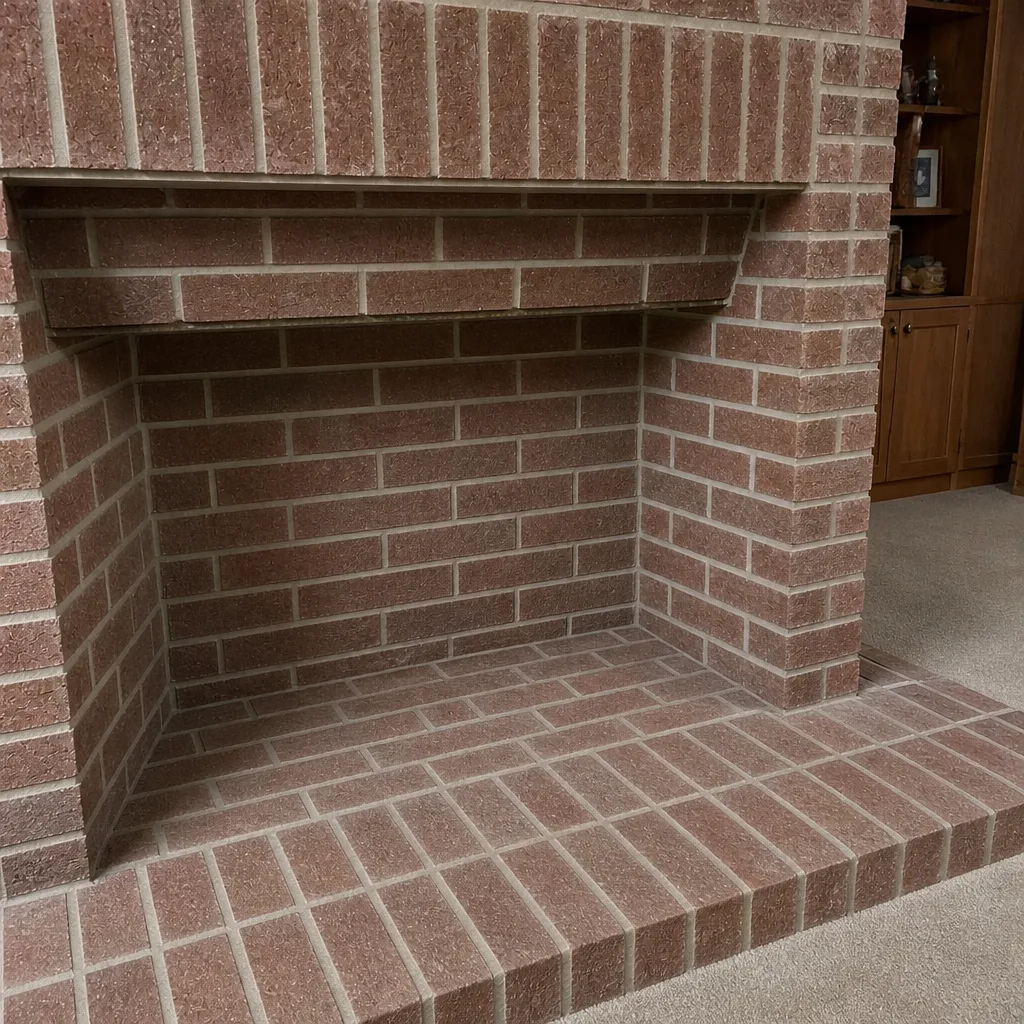
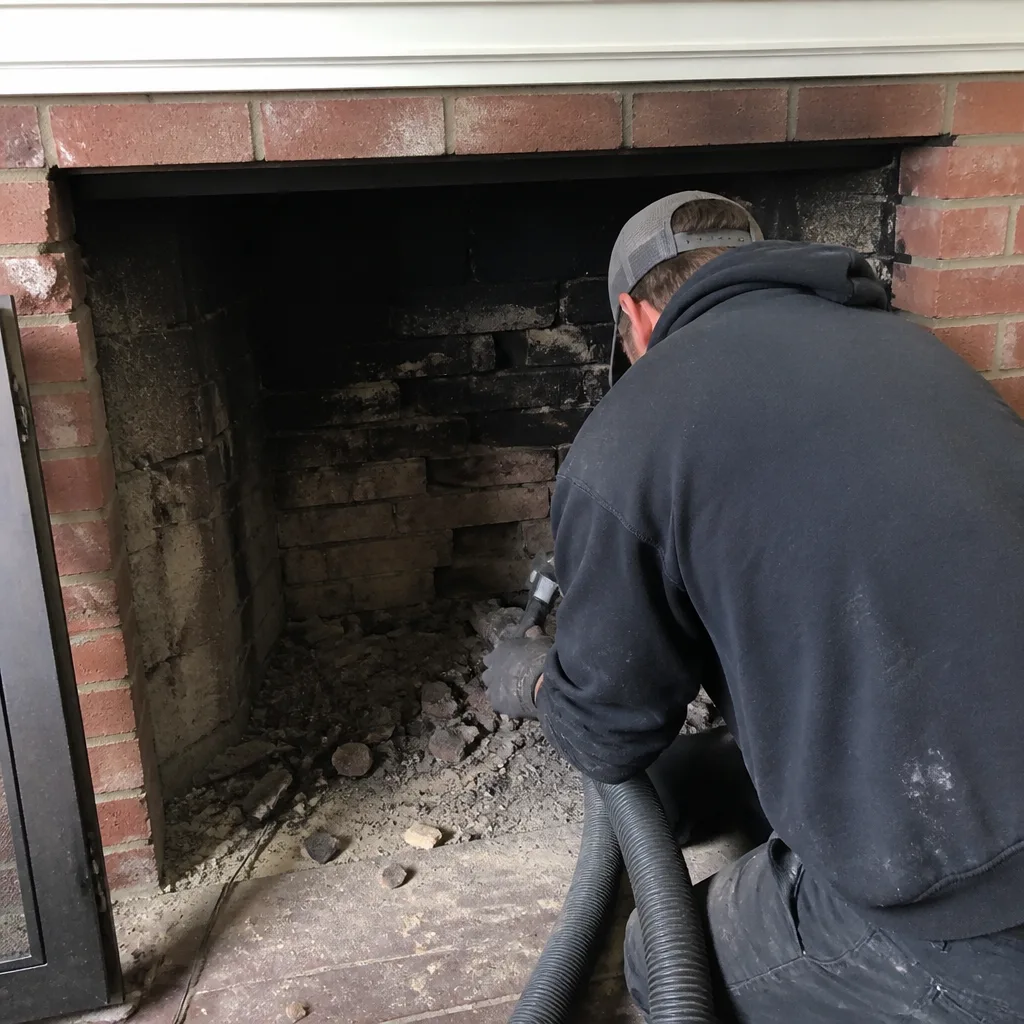
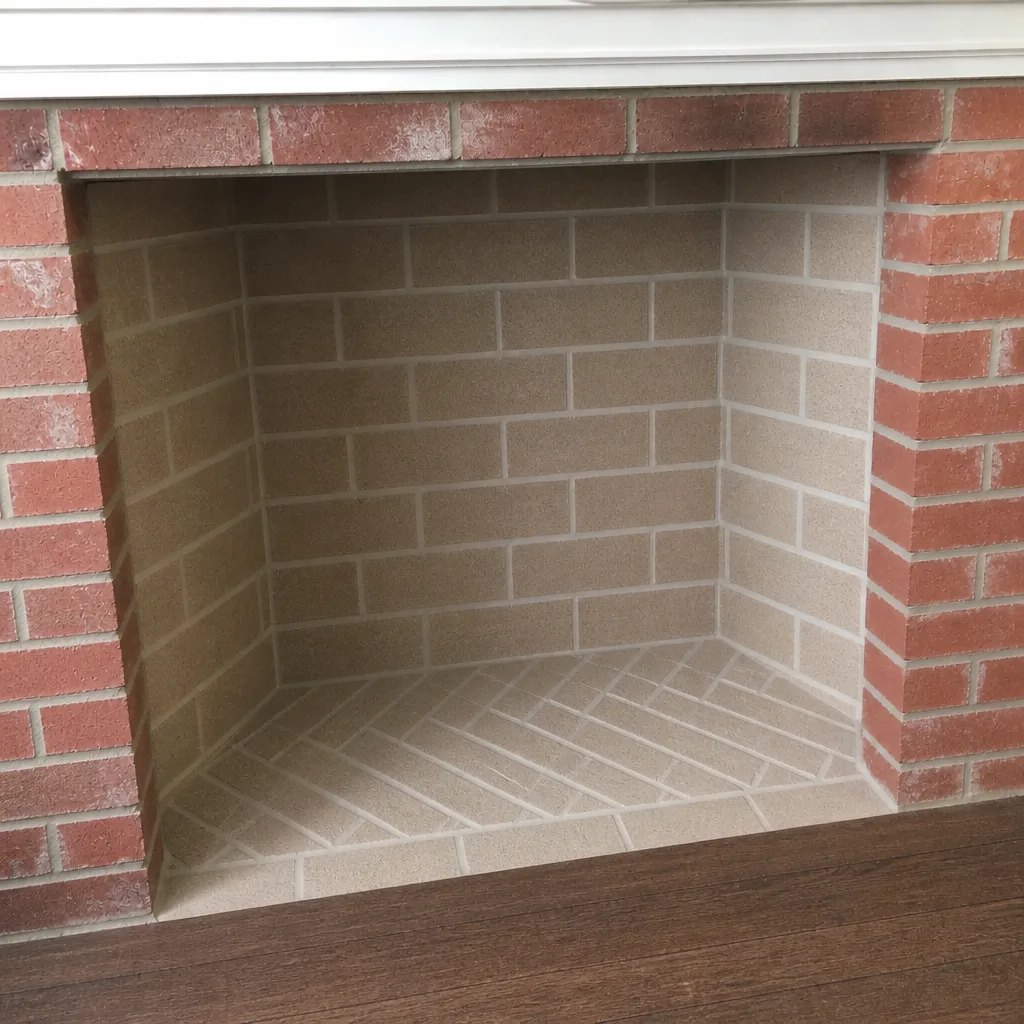
See the difference
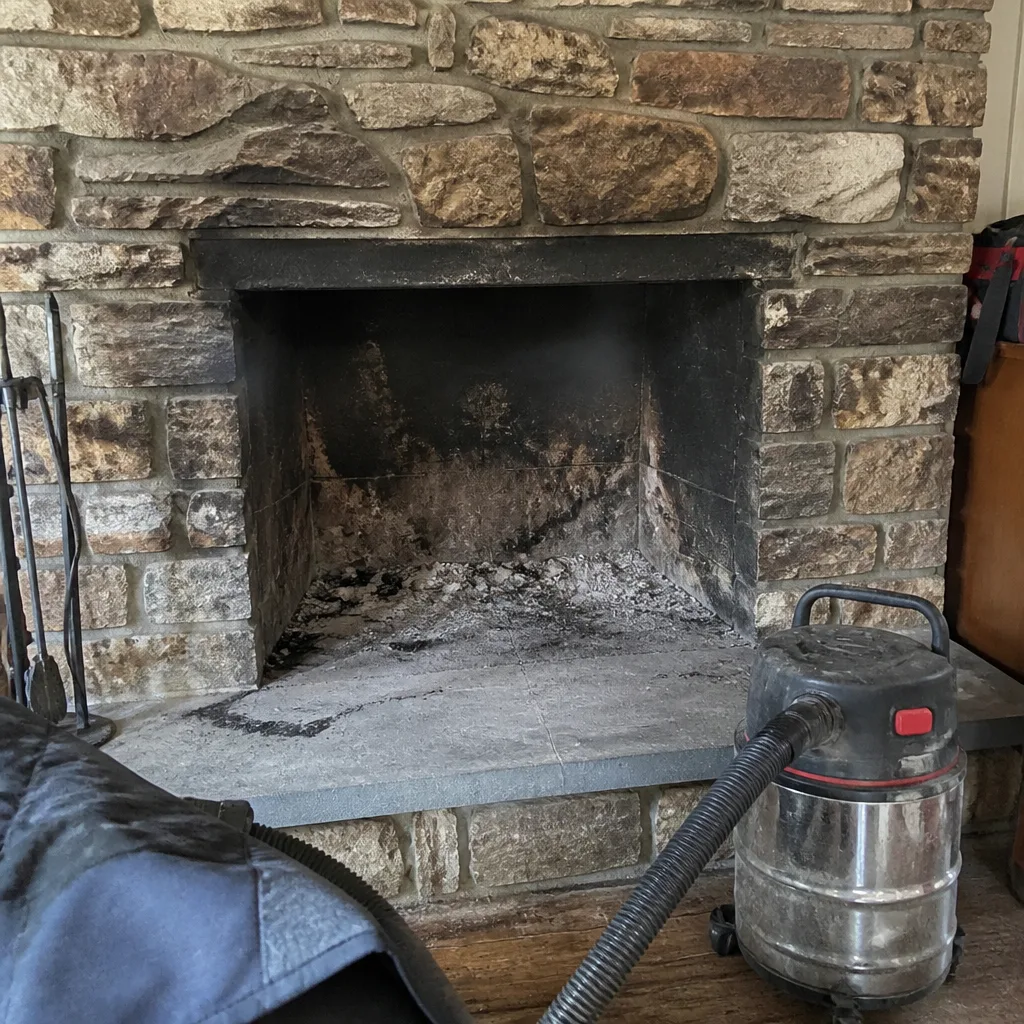 Before
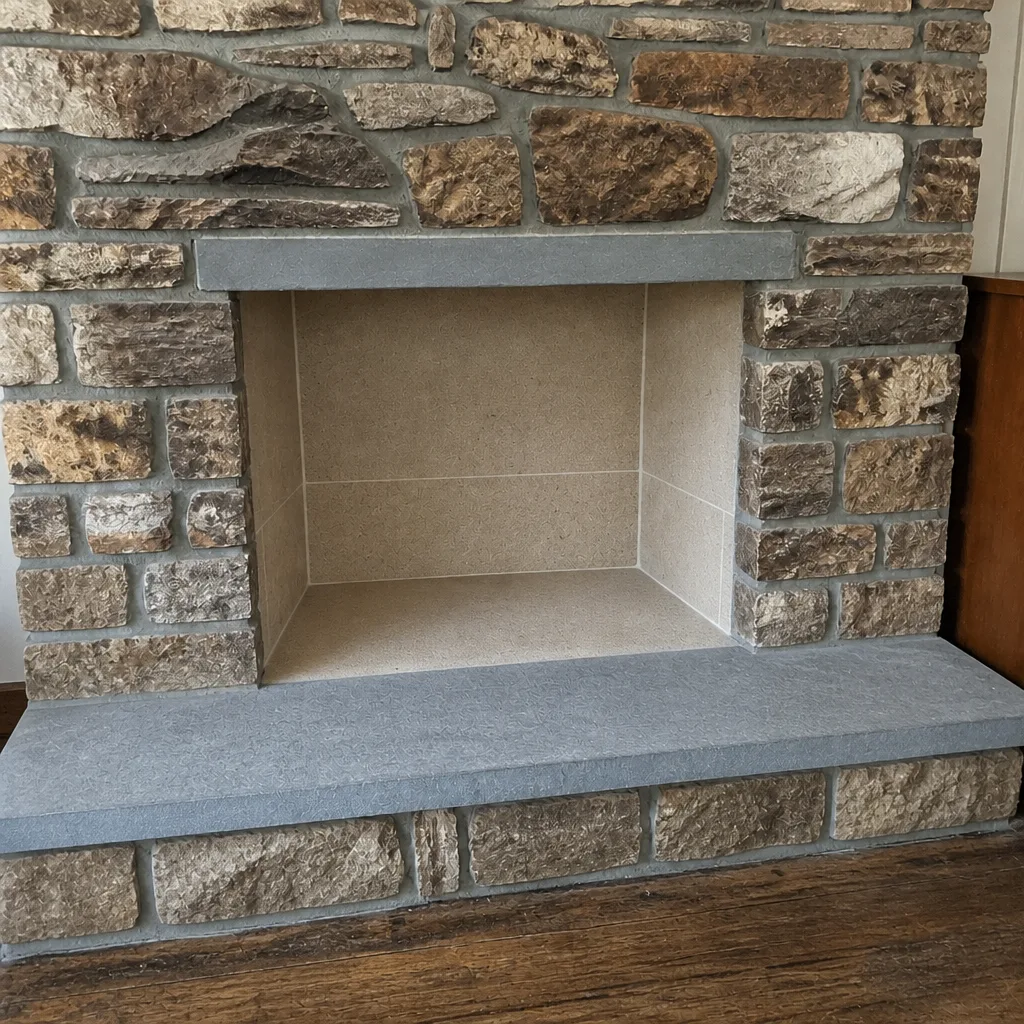 After
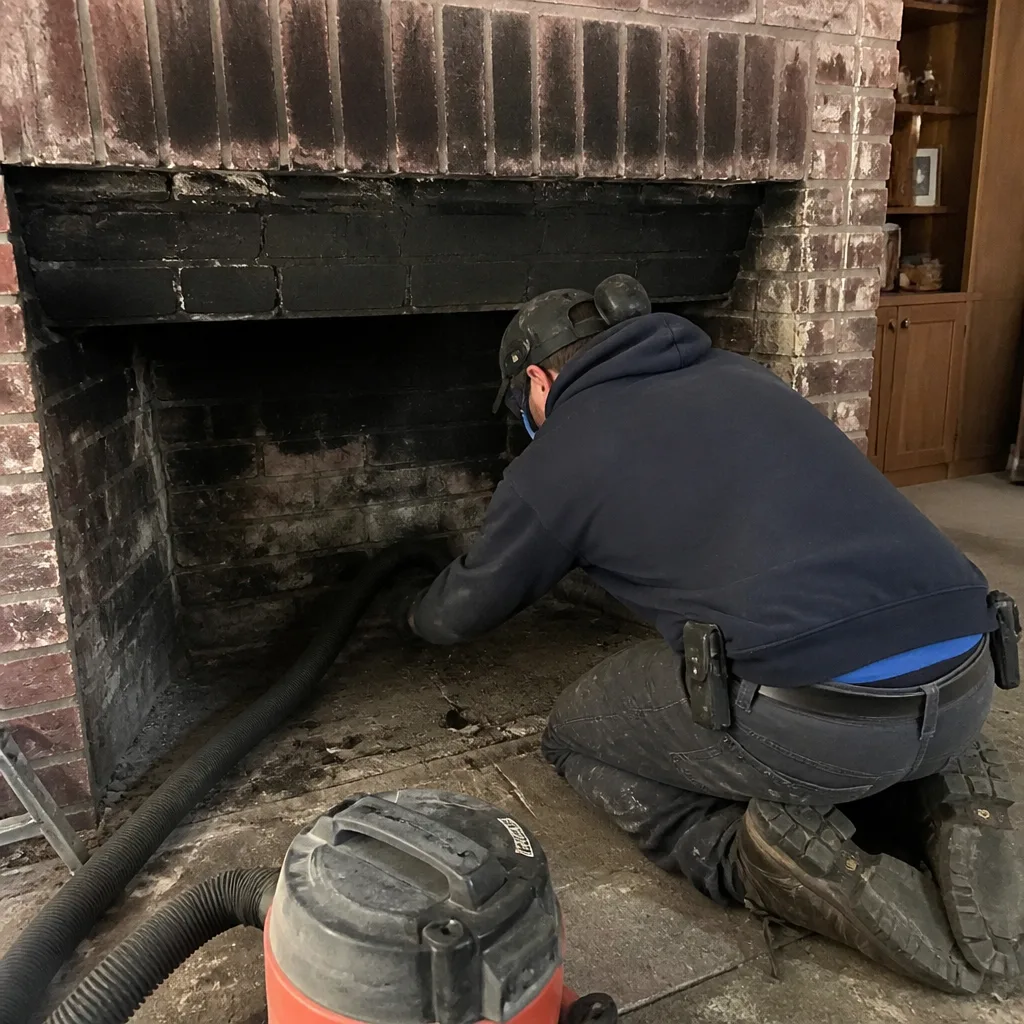 Before
 After
 Before
 After
When to Call a Professional
Call a professional if any of these apply to your situation in Oxford Circle:
- You’ve never had the chimney inspected, or you don’t know the last time it was
- You just bought the house and haven’t had a Level 2 inspection
- You’ve had a chimney fire, including one you put out yourself
- You’ve changed fuel type or replaced the appliance
- You’ve noticed creosote at the damper or in the smoke chamber (visible glaze)
- The chimney has no cap, or the cap or crown shows visible damage
- The flue has an offset you can’t clearly assess
- You’re buying a home and need an evaluation of the chimney system
Chimney Sweep Oxford Circle offers free estimates in Oxford Circle. Call (855) 259-0792. We answer 24/7. Fast dispatch from 7am to 7pm, Sunday through Friday. We’re closed Saturday. A call outside dispatch hours is booked into the next opening.
Frequently Asked Questions
Yes, in specific circumstances: a straight flue with no offset, a recent professional inspection on record, and light soot-stage creosote (no glaze) make a mid-season brush-down reasonable. What you can’t do is determine whether the liner is intact, whether the clay tiles have fractures, or whether the smoke chamber has separated. That requires a camera. Call (855) 259-0792 if you’re not sure whether your situation meets the criteria – estimates are free.
The estimate is free and the price is set per job by the written estimate, which depends on flue length, flue configuration, appliance type, and what the inspection finds. Call (855) 259-0792 for a free estimate – we answer 24/7, with fast dispatch from 7am to 7pm, Sunday through Friday.
Only if the camera inspection shows the existing liner is compromised in a way that repair can’t address, and you should see that camera footage before agreeing to anything. A professional who recommends liner replacement without showing you the flue on a monitor is asking for trust they haven’t earned. If the liner is sound, we say so. Call (855) 259-0792 for an inspection with a written photo report.
Annually for most wood-burning fireplaces and inserts, and more frequently if you burn heavily or use unseasoned wood. If you’re not sure when it was last swept, that’s the reason to schedule one. Call (855) 259-0792 for an exact quote – estimates are free.
If a chimney fire happens and there’s no professional inspection record for the period before it, the adjuster’s first question is whether the fire was a maintenance failure. What your specific policy requires varies, so check with your carrier. A written inspection report is the document that answers the question, and that’s what a professional sweep provides. Call (855) 259-0792 for an inspection with a written photo report.
Interior cleaning is possible in some rowhouse configurations, but the exterior access for cap checks and top-of-flue work in Oxford Circle’s shared rooflines is a hazard that’s not worth taking on with a ladder and no anchor point. Containing the dust in a tight rowhouse interior is also harder than a shop vac and a tarp make it look. A local professional who works rowhouses routinely knows how to work safely and contain the debris. Call (855) 259-0792 – free estimate and written report.
The sweep removes creosote and soot. The inspection evaluates the system for structural issues and documents the findings. A professional sweep includes both, and the inspection is what most homeowners actually need, whether or not they know it going in. If you’re calling because you’ve noticed a smell, a draft problem, or visible damage, the answer you need comes from the inspection. Call (855) 259-0792 for an exact quote – estimates are free.
The Bottom Line
The DIY chimney cleaning question is really a question about what you’re trying to accomplish. If you want a cleaner flue, a brush kit works, and there are situations where a brush is the right tool. If you want a safe flue with documentation, a professional sweep is the path. The sweep produces what a kit can’t: a camera inspection of the liner, an accurate creosote stage assessment, smoke chamber access, a cap and crown check, and a written report that answers the insurance adjuster’s question before it’s asked. In Oxford Circle’s older rowhouse stock, those findings aren’t optional. They’re the reason the cleaning was worth doing.
If you’ve had your chimney cleaned recently, call (855) 259-0792 for an inspection. The camera is what tells you whether the cleaning was enough. Our technicians have up to 9 years of experience, and our scope runs from the firebox to the crown: sweeping, cap and crown work, liner installation, repairs, and rebuilds. One call covers the whole system. The written estimate comes before any work, and the inspection report comes before any recommendation. Call (855) 259-0792. We answer 24/7. Fast dispatch from 7am to 7pm, Sunday through Friday.
Written by the team at Chimney Sweep Oxford Circle.