
Last updated November 22, 2026
 Sweep & inspection
 Caps & crowns
 Flue relining
 Masonry repair
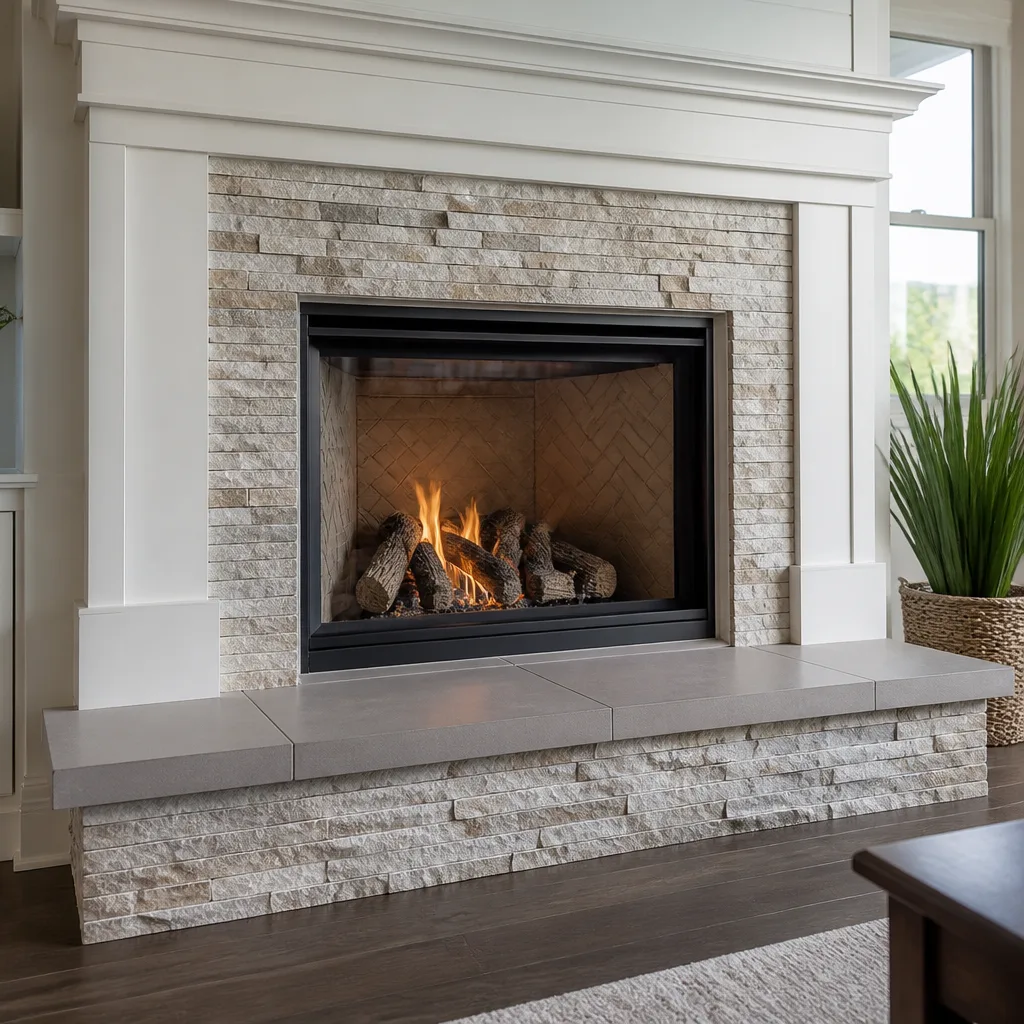 Gas fireplace service
Level 1 sweep and inspection to the NFPA 211 annual standard - flue, crown, cap, and flashing checked and photographed
Chimney sweep logs do not sweep chimneys. They loosen some creosote - which then falls where a brush and vacuum still have to collect it.
Seasonal Chimney Cleaning Care for Oxford Circle: Year-Round Homeowner’s Guide
Most chimney advice arrives in October and disappears by December. That timing is backwards. In Oxford Circle, the months when your fireplace sits cold are the months when the most damage happens inside it: spring rain soaking a cracked crown, summer humidity working on last winter’s creosote, animals moving into an open flue because there’s no cap to stop them. The fire you light in fall is a test of how well the chimney survived everything since spring. This guide walks through each season in Oxford Circle, what to check, what to fix, and why the work you do in June often matters more than the sweep you book in November.
Quick Answer
Chimney care in Oxford Circle works best as a four-season cycle: inspect for winter damage and animal entry in spring, address moisture and creosote in summer, complete pre-season checks before the first fire in fall, and watch for combustion and draft signals through winter. A professional sweep and inspection once a year, timed to your heating schedule, catches most problems before they become repairs. Every season has one job, and skipping a season usually shows up as a bigger bill later.
Styles & brands we work with
- Sweep & inspection
- Caps & crowns
- Flue relining
- Masonry repair
- Gas fireplace service
Table of Contents
- Spring: What to Check After the Last Fire
- Summer: Why Humidity Works Against Your Chimney
- Fall: Pre-Season Tasks Before the First Fire
- Winter: Mid-Season Signals You Shouldn’t Ignore
- Oxford Circle Draft and Downdraft Patterns
- How to Time Your Annual Sweep
- Common Mistakes to Avoid
- Frequently Asked Questions
Spring: What to Check After the Last Fire
The last fire of the season is the starting point for chimney care, not the end of it. Once the fireplace goes cold and stays cold, your chimney has months ahead of it exposed to weather without the drying heat of regular fires. Spring is when you check what winter left behind.
The three things we look for most often after a heating season in Oxford Circle:
- Residual moisture in the flue and firebox. Rain that gets past a worn cap or a hairline crack in the crown sits inside the chimney for weeks. Clay tile absorbs some of that moisture, and repeated wet-dry cycles take a toll on the mortar joints between tiles.
- Animal entry. An uncapped flue is an open door. Birds, squirrels and raccoons find their way in through spring, and a nest near the top of the flue blocks the draft path going into next winter. A cap with a proper screen is the single most effective thing you can add.
- Freeze-thaw damage to the crown and cap. Water gets into small cracks, freezes overnight, expands, and widens the crack. By spring, a hairline crack in the crown can be a visible split, and the cap can be loose or bent from ice load.
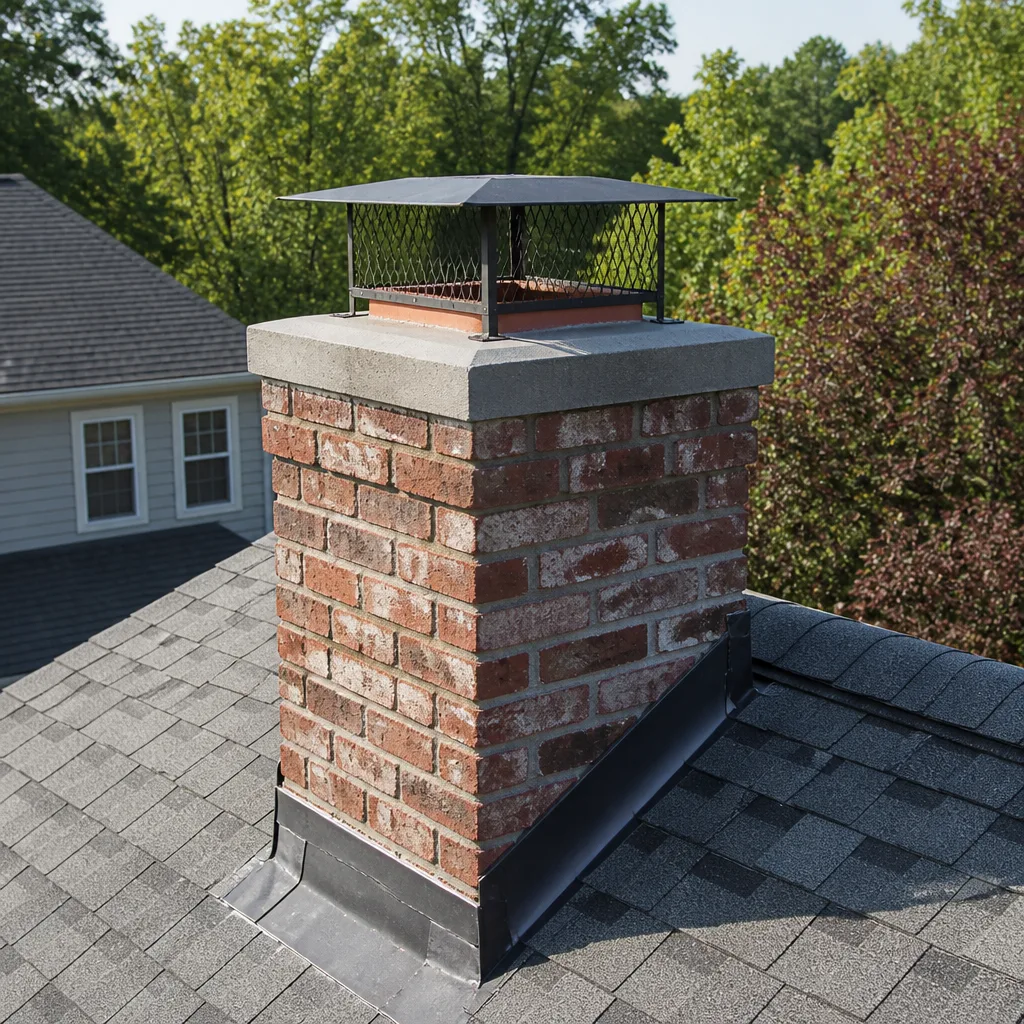
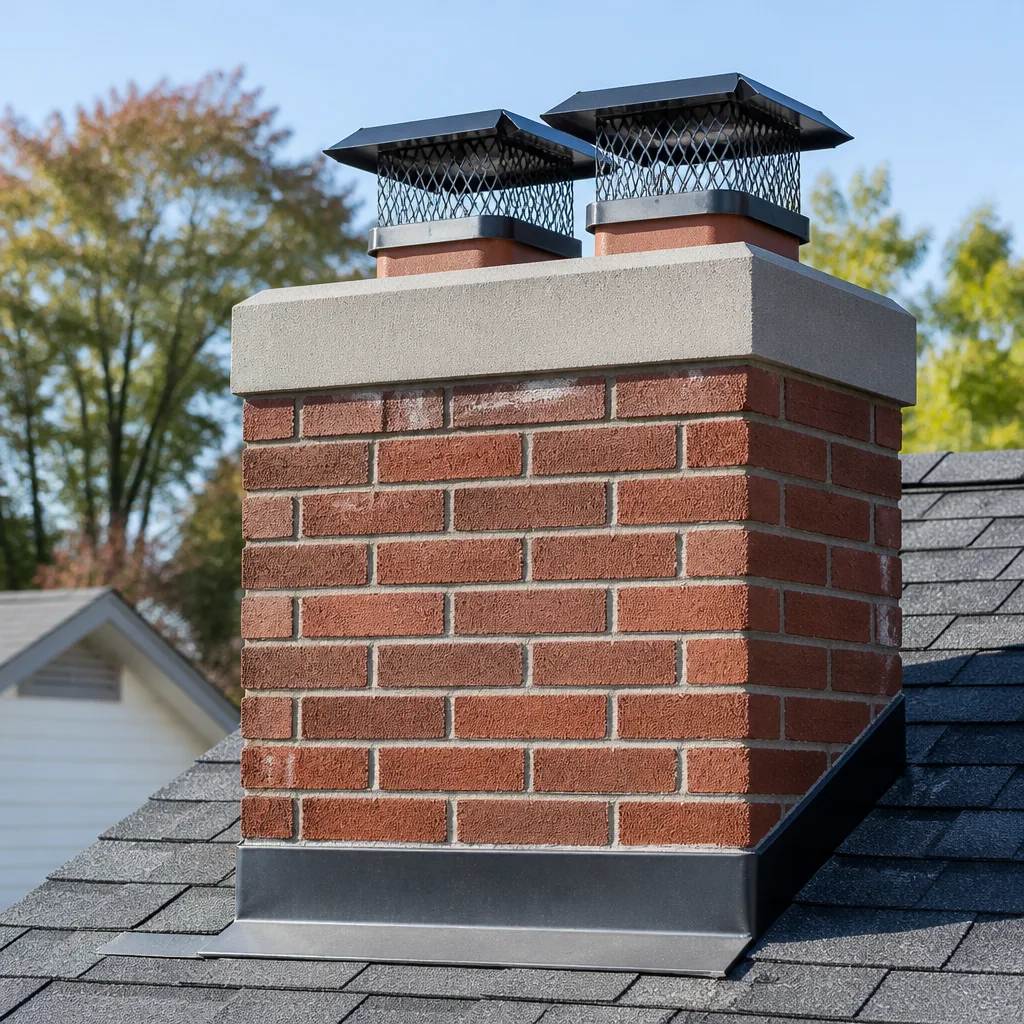
The chimney cap & crown work we handle covers exactly this pattern. A cap with a mesh screen from Gelco or Famco does two jobs: it keeps animals and rain out, and it gives the flue a defined top that weathers predictably instead of eroding. Spring is the right time to install or replace one, because you have months of dry weather to do the work before the next fire.
Spring inspection checklist
- Look at the crown from the ground with binoculars. Any visible crack wider than a hairline is worth a professional look.
- Check that the cap is still seated and the screen is intact. Bent screens and missing caps are common after a hard winter.
- Open the damper and shine a light up the flue. If you see daylight, the flue is open and needs a cap.
- Look for water staining on the firebox walls or smoke chamber. Staining means moisture is getting in from above.
- Listen for birds or scratching sounds in the flue, especially in May and June.
If your flue has no cap in spring, you may find chimney swifts nesting in it by early summer. That matters more than most homeowners realize, which is why it gets its own season below.
Summer: Why Humidity Works Against Your Chimney
Summer looks like the season when nothing happens to your chimney. In practice, it’s when the slow damage lands. Creosote left on the flue walls from last winter is acidic. Mix it with warm, humid air sitting in a closed flue, and those acids go to work on the mortar between clay tiles. The effect is gradual, but it’s real, and it’s the reason a sweep in June finds damage that an October sweep would have caught a year too late.
Why a closed damper without a cap makes it worse
A closed damper traps air inside the flue. Without a cap on top, that trapped air is humid outdoor air pulled in through the open top. The flue becomes a slow-cook moisture chamber. Add the fact that Oxford Circle summers get hot and humid, and a closed, uncapped chimney is about the worst environment you can create for clay tiles.
A cap changes the equation. It keeps rain out of the flue, breaks the direct path for humid air, and lets the flue dry out between weather events. We specify Gelco and Famco caps because they’re built for this exact job: weather resistance over years, not a season or two.
Chimney swifts: the reason June matters
Chimney swifts are small, migratory birds that nest in open masonry flues across the Northeast, including in Oxford Circle. Federal law protects them, and once they take up residence, removing them before they leave for the season is not an option. They typically arrive in spring and leave by the end of summer. That means a flue that had no cap in April can be an active nest site through July, and the blockage is sitting there until the birds move on.
If you book a sweep in October and find a blockage, that nest was there since spring. That’s not a sweep failure; it’s a timing issue. Capping the flue before the swifts arrive is how you avoid the problem entirely, and it’s the single reason we recommend a spring cap and not just a fall sweep.
What summer work accomplishes
- Removes acidic creosote from the flue walls before a full season of humidity works on it.
- Lets a technician see the inside of the flue with a proper camera and identify cracked tiles or joint gaps while there’s time to schedule a repair.
- Confirms whether a liner is intact, which matters for gas inserts running through summer.
- Answers the question of whether work can safely wait until next spring or should be done before the heating season.
The chimney sweep you book in summer sees the chimney in its dry, quiet state. That’s a cleaner read than a mid-winter visit, where a technician is working around an active fire schedule.
Fall: Pre-Season Tasks Before the First Fire
Fall is the season most homeowners associate with chimney work, and it’s still the right time for the annual sweep if you haven’t done it earlier. But October is already late in Oxford Circle’s heating schedule. The first cool nights tend to arrive before most people schedule a sweep, and by the time you send a technician to a chimney, you’ve usually had two or three fires already. The best plan is to have the inspection done before the first fire, not after.
Either way, these tasks should happen before you burn seriously for the season.
1. Damper function
The damper has to open and close smoothly, seal fully when closed, and stay open when you light a fire. A damper that sticks or fails to seal is a draft problem waiting to happen. If it won’t open wide, you’ll get smoke in the room. If it won’t seal, you’ll lose heat all winter and pull humid summer-style air into the flue between fires.
2. Cap and screen integrity
Check that the cap is seated, the screen is intact, and there’s no visible rust or damage to the mounting. A cap knocked loose by a branch or a storm means rain directly into the flue all winter. A torn screen means birds and debris get past the first line of defense.
3. Liner and clearance
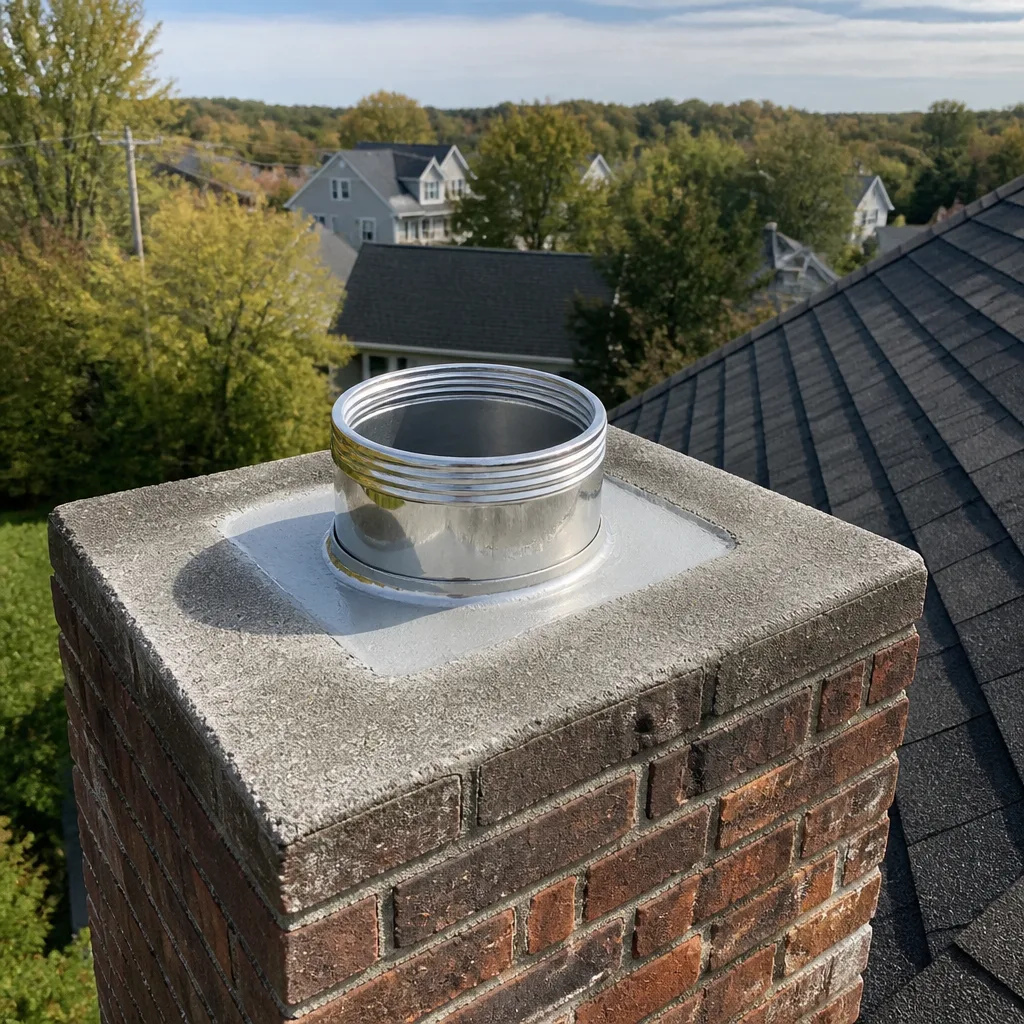
The flue liner is what keeps combustion products inside the flue and away from the structure of the chimney. A properly installed stainless system like a DuraFlex flexible liner from Olympia Chimney or Copperfield gives you a continuous, sealed flue path from the top of the chimney down to the firebox. If your flue is unlined or the liner is cracked, fall is when you want to know, not after a fire.
4. Sweep and inspection
A professional sweep and inspection in early fall confirms the flue is clear, the liner is intact, and there’s nothing waiting to surprise you on the first fire. This is the step where the most problems get diagnosed.
- Schedule the sweep before the first cool week, usually before mid-October in Oxford Circle.
- Ask for a camera inspection of the flue and a photo report of what the technician sees.
- Fix any cap or crown issue before the first fire.
- Confirm the damper cycles freely and seals.
- Get a written estimate for any recommended repair before work is booked.
If a repair is recommended, ask whether it’s a fire-safety item (the liner, for instance) or a moisture item (the crown). Fire-safety repairs should be done before the next fire. Moisture items can sometimes wait, and a good technician will tell you which is which.
Winter: Mid-Season Signals You Shouldn’t Ignore
Once the heating season is underway, a chimney problem doesn’t usually announce itself with flames. It shows up as small changes in how the fireplace behaves. Those changes are the early warning system, and they’re worth paying attention to before they become something more serious.
Signals that point to incomplete combustion or blockage
- Smoke rolling back into the room instead of drawing up the flue. Often a partial blockage, a cold flue, or a damper that’s not fully open.
- A change in the smell. A strong, sour, or acidic smell from the firebox is often creosote that’s gone past normal buildup. A smell of exhaust in the room can indicate a leak in the flue path.
- Reduced heat out of the firebox. If a fire that used to warm the room well feels weak, draft is often the cause.
- Difficulty starting a fire, or a fire that struggles to stay lit. This can be wet wood, a partially blocked flue, or a draft reversal.
- Visible soot or smoke staining above the firebox. Soot at the face of the fireplace means smoke is escaping the firebox rather than going up the flue.
- Headaches, drowsiness, or nausea in the room where the fireplace is running. These are potential carbon monoxide symptoms. If they appear, stop using the appliance and get the chimney inspected before you light anything else.
Carbon monoxide is the reason chimney work is a safety service and not just a maintenance one. The risk from a properly maintained chimney is low. The risk from a partially blocked or cracked flue is why we treat mid-season changes as a reason to call rather than something to watch.
What to do mid-season
If any winter signal shows up, the move is to stop burning in that fireplace until a professional has looked at the chimney. A mid-season inspection and sweep is straightforward, and it’s the right way to rule out a real safety issue before it becomes one. Chronic smoke rollback or repeated drafted smoke is not something to adapt to over the season.
The chimney repair work that follows a mid-season diagnosis often covers a cracked flue tile, a failing damper, or a masonry joint that needs repointing before spring. HeatShield resurfacing is the system we use for deteriorated flue tiles when the structure of the chimney is sound and resurfacing is the right fix. It’s a code-compliant repair done by authorized applicators, and it’s an example of what “repaired properly” looks like versus “patched to pass”.
Oxford Circle Draft and Downdraft Patterns
Draft isn’t just about the chimney. It’s about the relationship between the chimney and the air pressure around the house. Oxford Circle’s dense, mostly row-house-and-twin built environment creates its own set of draft behaviors, and it’s worth understanding why a fireplace that works fine in one house can be difficult in the next.
The urban heat island effect
In dense neighborhoods like Oxford Circle, the built environment holds heat. Summer nights stay warmer than the surrounding countryside, and rooflines reflect that heat back into the air above them. A flue that cooling-air thermals would normally help draw from can be slower to establish its own draft, especially on still summer nights or early fall evenings. A cap with a screen doesn’t fix that entirely, but it does stabilize the top of the flue and reduce turbulence from the roofline.
Prevailing winds off the Delaware
Winds in the Philadelphia area frequently come from the river corridor. In Oxford Circle, that means reliable crosswinds at roof level. A flue that pulls fine on calm days can experience downdraft when the wind hits the top of the chimney at the wrong angle relative to nearby taller structures or trees. In some cases the fix is a taller flue termination or a cap design that shrugs off crosswind. In others, it’s confirming the cap screen isn’t partially blocked, and that the damper is opening fully.
Seasonal draft adjustments
Some flues need small seasonal adjustments to stay consistent. Two general ones:
- A pre-heat at the start of the season. The first fire of the year is often harder to light than later ones because the flue is cold. That’s normal.
- A taller flue termination. A flue that ends short of the nearby roofline can pull poorly when the wind crosses it. A technician can tell you whether the design of your chimney is contributing.
If a fireplace is chronically hard to draft in a particular season, the answer usually comes out of a proper inspection rather than a guess. The Chimney Sweep Oxford Circle inspection covers the firebox-to-crown path and shows you what’s actually going on.
How to Time Your Annual Sweep
The most common question we hear is which month to book a sweep. The honest answer: the specific month matters less than picking the same month each year and sticking to it. Chimneys that are swept on a predictable annual cadence have fewer surprises, because the technician sees the same system year over year and can judge change against a baseline.
With that said, there are two good scheduling windows in Oxford Circle:
- Early fall, before the first cool week. This catches the season’s buildup before the first fire and gives you time to fix anything the inspection finds. Most people book here, which means the schedule fills quickly by mid-October.
- Late spring or early summer, after the last fire. This catches winter damage while the evidence is fresh and gives you months before the cap has to be back in place for the season. It’s the better window for cap and crown work, which needs dry weather and doesn’t want to be rushed.
If you have a gas insert rather than a wood-burning fireplace, the schedule is the same: once a year, plus a check any time something feels off. Gas inserts have their own flue and venting requirements, and the annual inspection is when problems with the liner or venting get caught before the heating season.
What a proper annual visit covers
- Sweep the flue and firebox to remove creosote, soot and debris.
- Camera-inspect the flue and photo-report the findings.
- Check the damper, firebox, smoke chamber and cap.
- Examine the crown and masonry for cracks and water damage.
- Confirm the liner is intact and correctly sized for the appliance.
- Give you a written estimate for any recommended work, with a note on whether it’s fire-safety or moisture-related.
Timing aside, the most important scheduling decision is picking the same month each year. Consistency is what lets a technician spot a change in your chimney and tell you what actually needs attention versus what can safely wait.
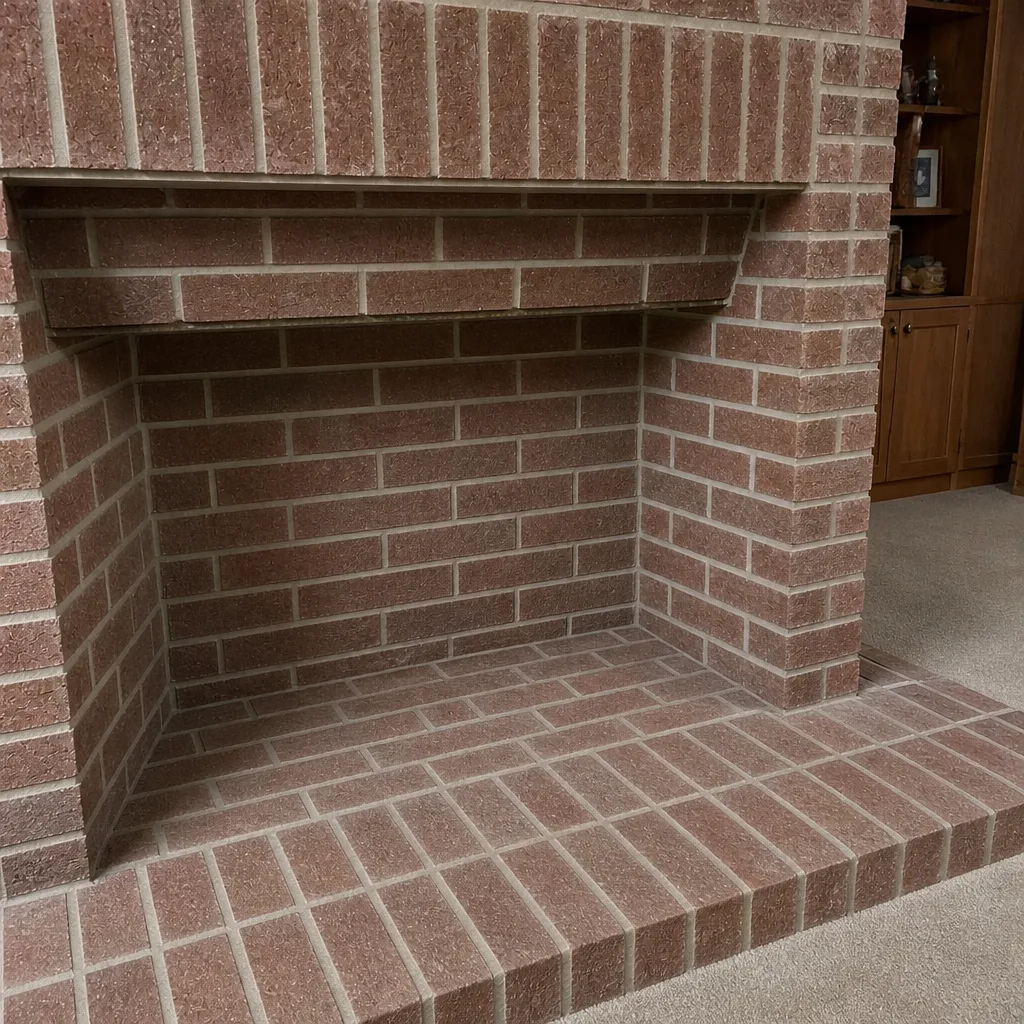
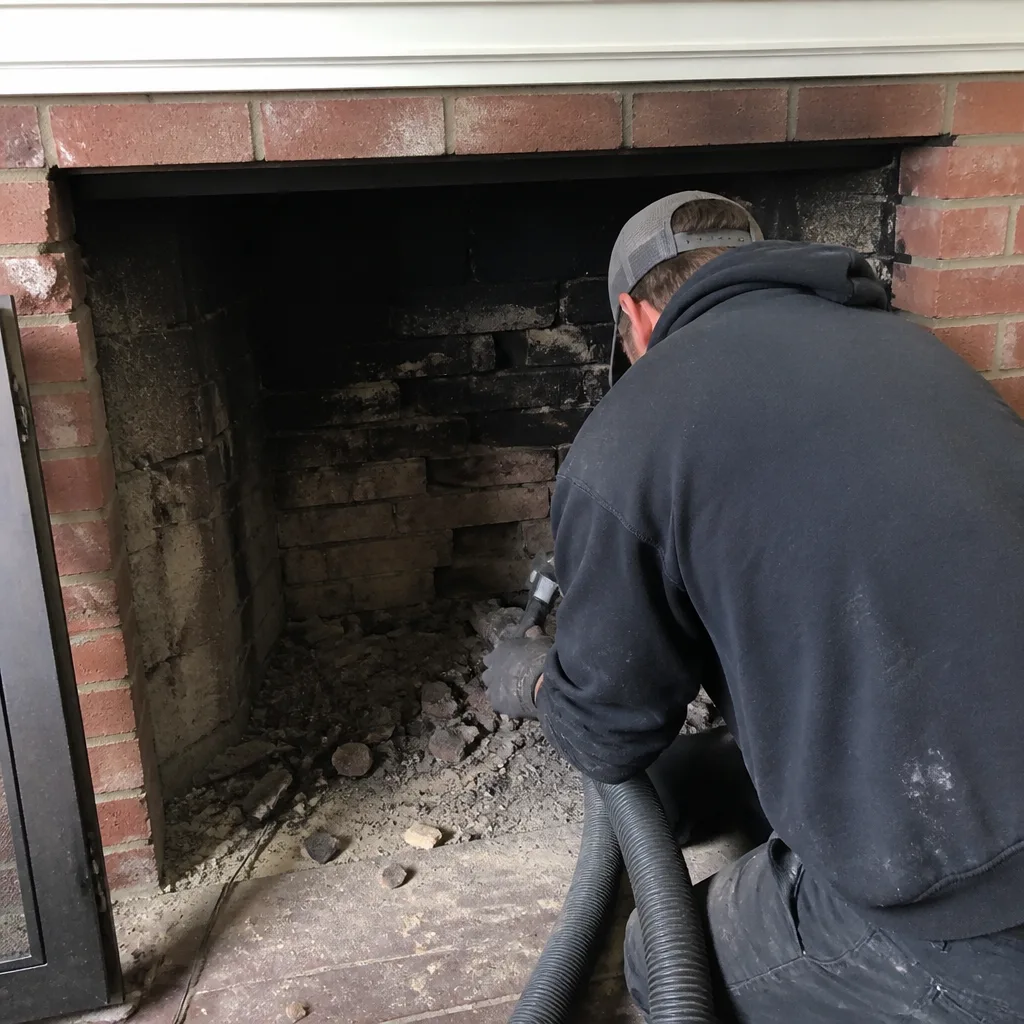
See the difference
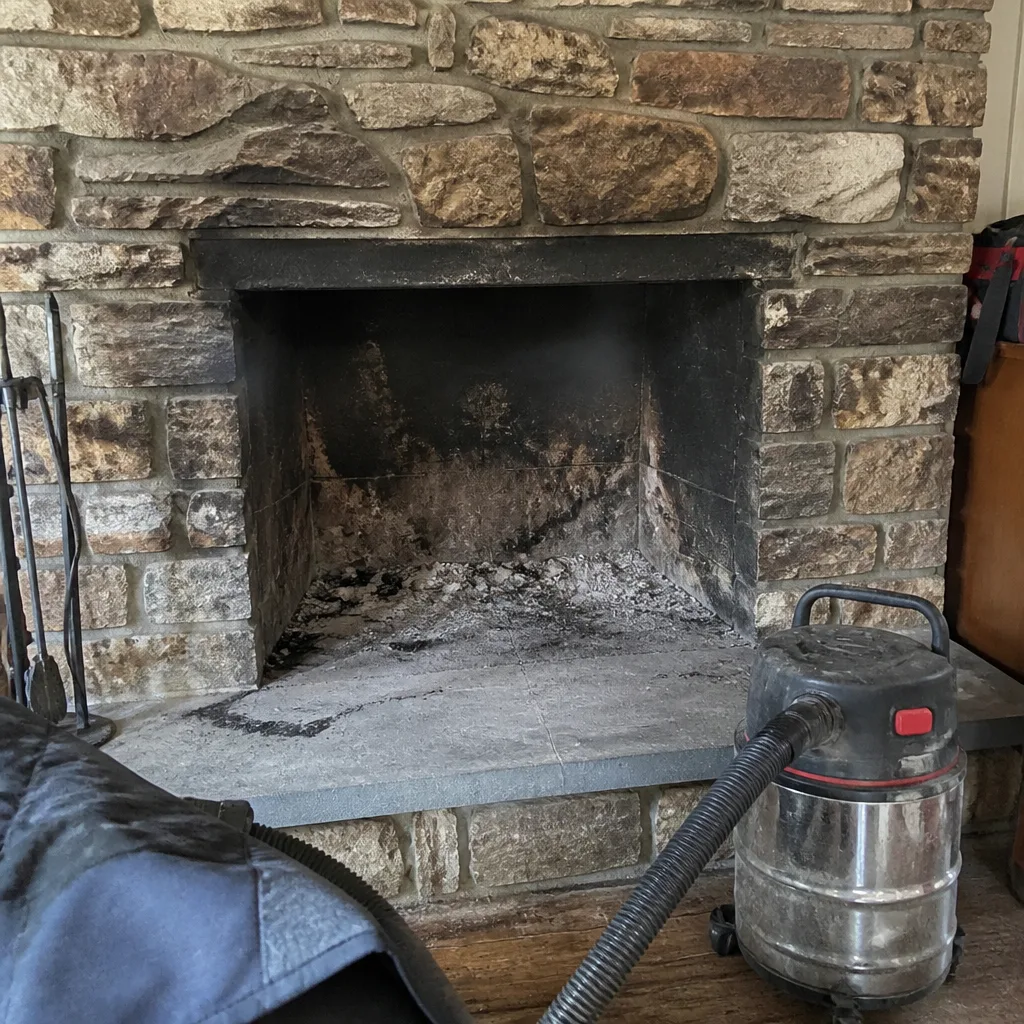 Before
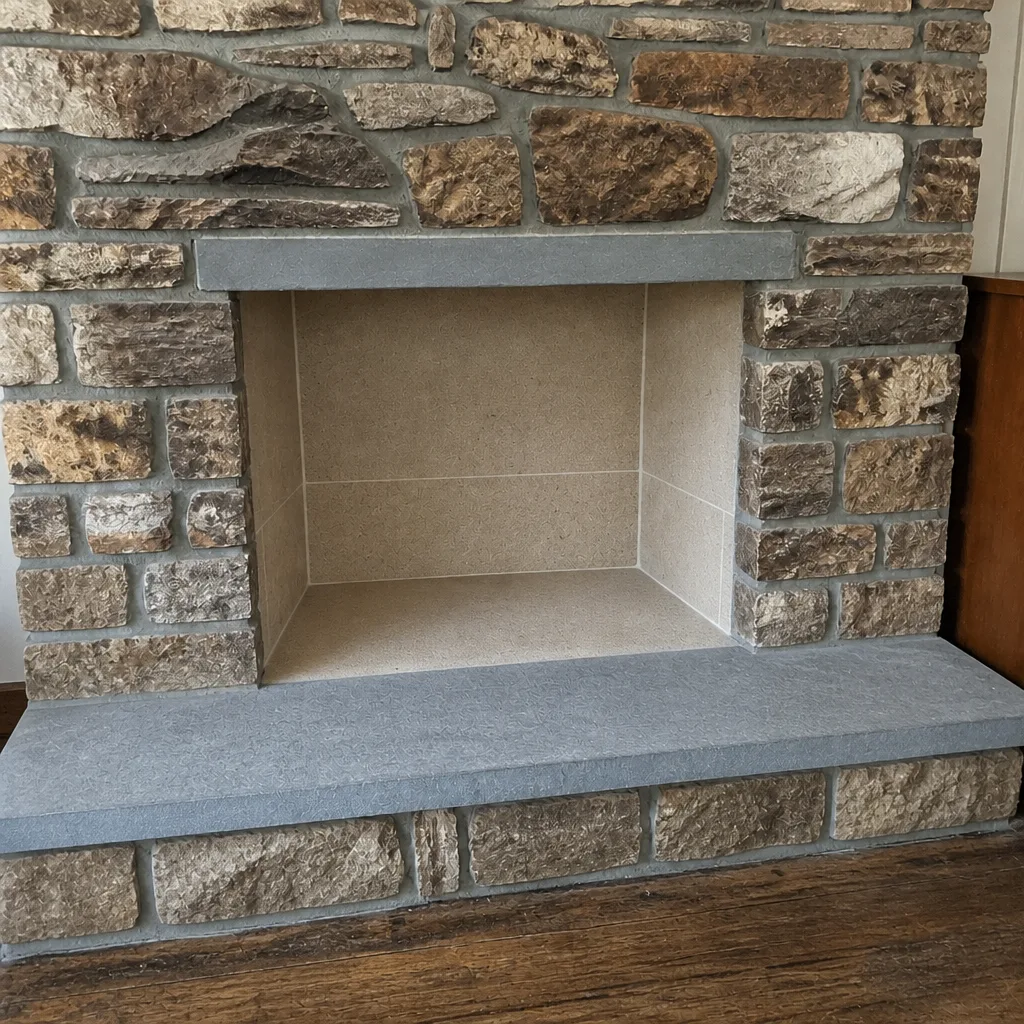 After
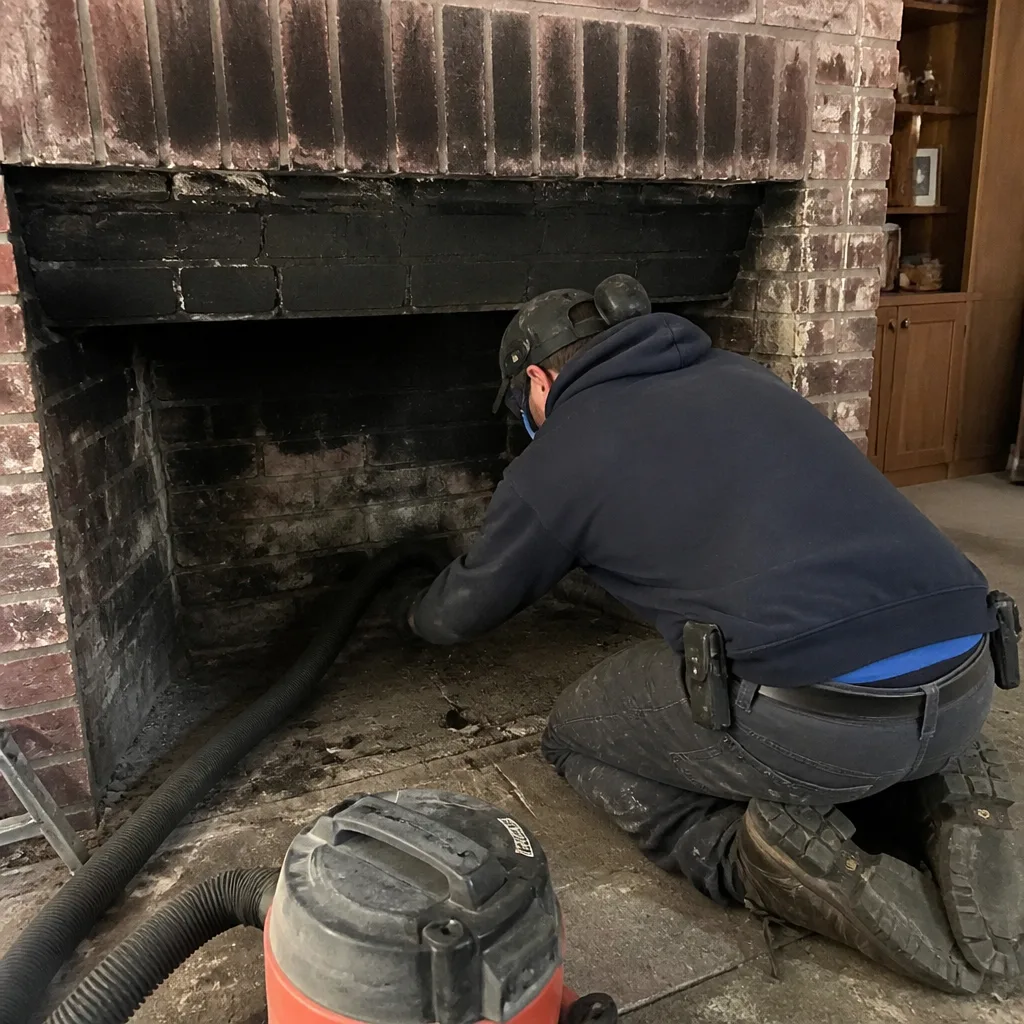 Before
 After
 Before
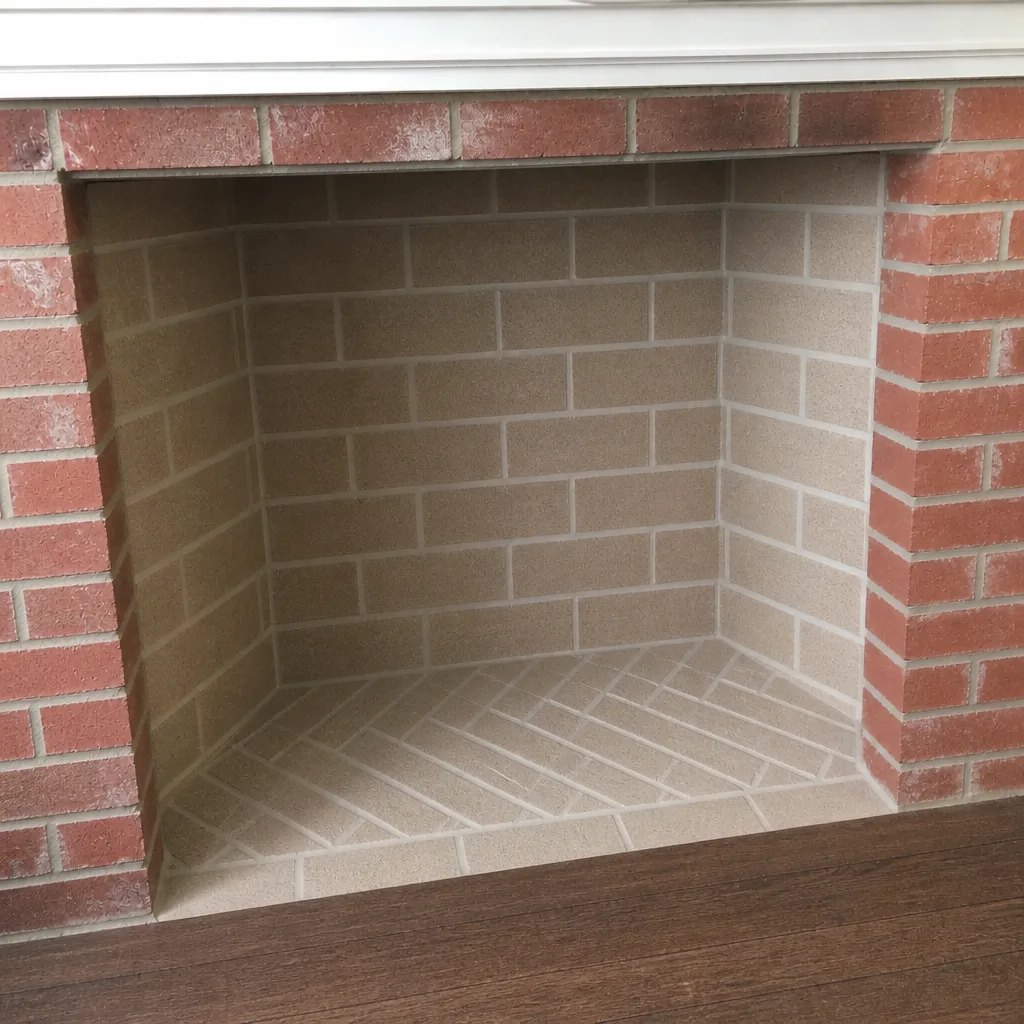 After
Common Mistakes to Avoid
- Treating chimney care as a fall-only job. Spring and summer conditions do as much structural damage as winter. If the only time you think about the chimney is October, you’re missing two of the four seasons that matter.
- Skipping the cap because it “looks fine from the ground”. A missing or damaged screen is invisible at ground level from below. Get binoculars on the top of the chimney, or have a technician check during the sweep.
- Burning unseasoned wood. Wet wood creates more creosote than dry wood. The extra moisture also adds to the acidification cycle that works on the flue in summer.
- Ignoring a chimney swift nest until fall. Once swifts are in the flue, they’re there until they leave. Spring is when a cap would have prevented it. By mid-summer, the window is closed.
- Accepting a “cleaning” that doesn’t include an inspection. A sweep that doesn’t include a camera inspection is a brush through the flue, not a diagnosis. Most of the value is in what the camera sees.
- Patching a failing flue instead of repairing it properly. Smearing mortar over a cracked tile joint is not a repair. It’s a delay that costs more when the tile fails outright. Repairing a liner with a HeatShield resurfacing system or installing a DuraFlex liner from Olympia Chimney or Copperfield is doing the job correctly.
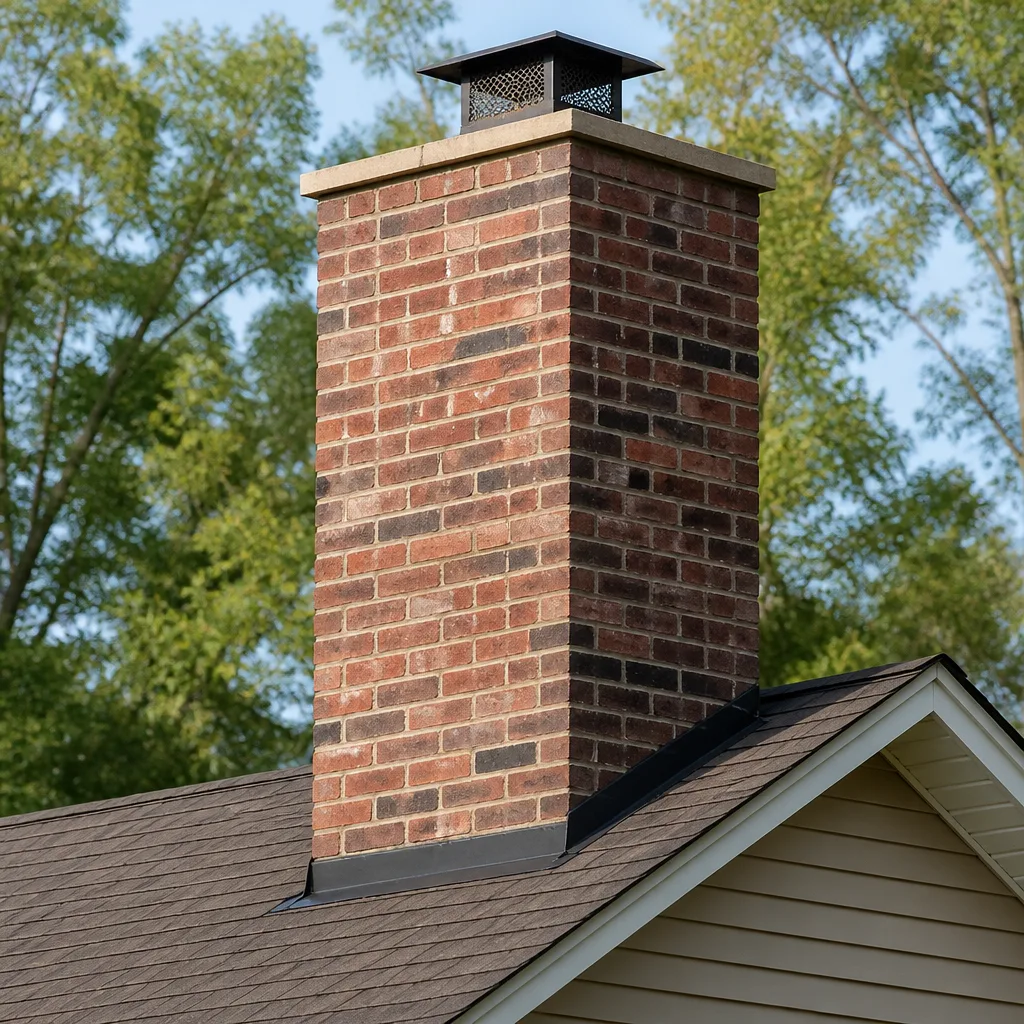
- Letting masonry issues go because “the fire works”. A cracked crown or a spalling brick isn’t usually a fire problem, but it’s a water problem. Water damage compounds. The faster it’s caught, the smaller the fix.
When to Call a Professional
Some maintenance is homeowner-level. Sweeping, inspecting and diagnosing are not. Call a professional when any of these apply: you’ve had a fire since the last sweep; you notice smoke entering the room rather than going up the flue; you smell a strong creosote or exhaust odor from the firebox; the crown shows visible cracks; the cap is missing or damaged; the flue is unlined or you’re not sure; or you’ve had headaches, drowsiness or nausea while using the fireplace. Also call if a chimney swift nest is present and you’re not sure when it’s safe to cap or sweep. Chimney Sweep Oxford Circle offers free estimates in Oxford Circle, and (855) 259-0792 gets you a technician who handles sweep, inspection, repair and rebuild under one company, so there’s no second call to schedule.
Frequently Asked Questions
Once a year for most wood-burning fireplaces, or sooner if you notice smoke rollback, a strong smell from the firebox, or other performance changes. Gas inserts should also be inspected annually. Booking in early fall catches buildup before the heating season, and booking in late spring catches winter damage before it has months to worsen. Call (855) 259-0792 for an exact quote; estimates are free.
Creosote builds up on the flue walls, and in a worst-case scenario it can ignite. Even without a fire, the acidic creosote combined with summer humidity attacks the mortar joints between clay tiles. That damage is slow but cumulative, and by the time it’s visible, the repair is usually a liner or resurfacing rather than a simple cleaning. A sweep is far cheaper than the repair it prevents.
You need a new liner when the existing one is cracked, unlined, incorrectly sized for the appliance, or visibly deteriorated on camera. Anything less than that is often repairable with HeatShield resurfacing, which restores deteriorated flue tiles without tearing out the chimney. If anyone recommends a new liner, ask to see the camera footage. A technician who won’t show you the evidence isn’t yet giving you a diagnosis. Call (855) 259-0792 for a second opinion with a photo report.
Only if you’re confident the flue is clear and the liner is intact. If you’ve had a fire since the last sweep, if smoke is rolling into the room, or if you smell exhaust while the fire is burning, stop and have it inspected before the next fire. Smoke rollback and exhaust smells are the two signs we take most seriously mid-season.
Yes, if the flue is open. Chimney swifts nest in uncovered flues, and federal law protects them once they’re in. The window to prevent a nest is spring, before they arrive. A Gelco or Famco cap with a mesh screen does the job and also stops rain and debris year-round. It’s the most effective single addition most Oxford Circle chimneys are missing.
We handle the full range: sweep, cap and crown work, liner installation, resurfacing, fireplace repair and full rebuilds. DuraFlex flexible liners, HeatShield resurfacing, and caps and venting from Gelco and Famco are all under one company. That’s the point of a full-system chimney specialist. You don’t schedule a sweep with one company and a liner install with another. Call (855) 259-0792 to book a sweep and inspection together.
The Bottom Line
Chimney care in Oxford Circle is a four-season cycle, not a fall errand. Spring reveals what winter left behind: moisture, animal entry, freeze-thaw damage to the crown and cap. Summer puts humidity and old creosote to work on the flue, and it’s the season when a missing cap costs you the most. Fall is when you check the damper, cap, liner and clearance before the first serious fire. Winter is when performance changes are your early warning system, and the right move is to stop burning and call rather than to adapt. Do the work in each season and the annual sweep becomes routine maintenance. Skip a season and it becomes a repair. Our technicians have up to 9 years of experience working chimney and fireplace systems throughout Oxford Circle, from the firebox to the crown. Call (855) 259-0792 for a free estimate. We answer 24/7. Fast dispatch from 7am to 7pm, Sunday through Friday.
Written by the team at Chimney Sweep Oxford Circle.