
Last updated November 22, 2026
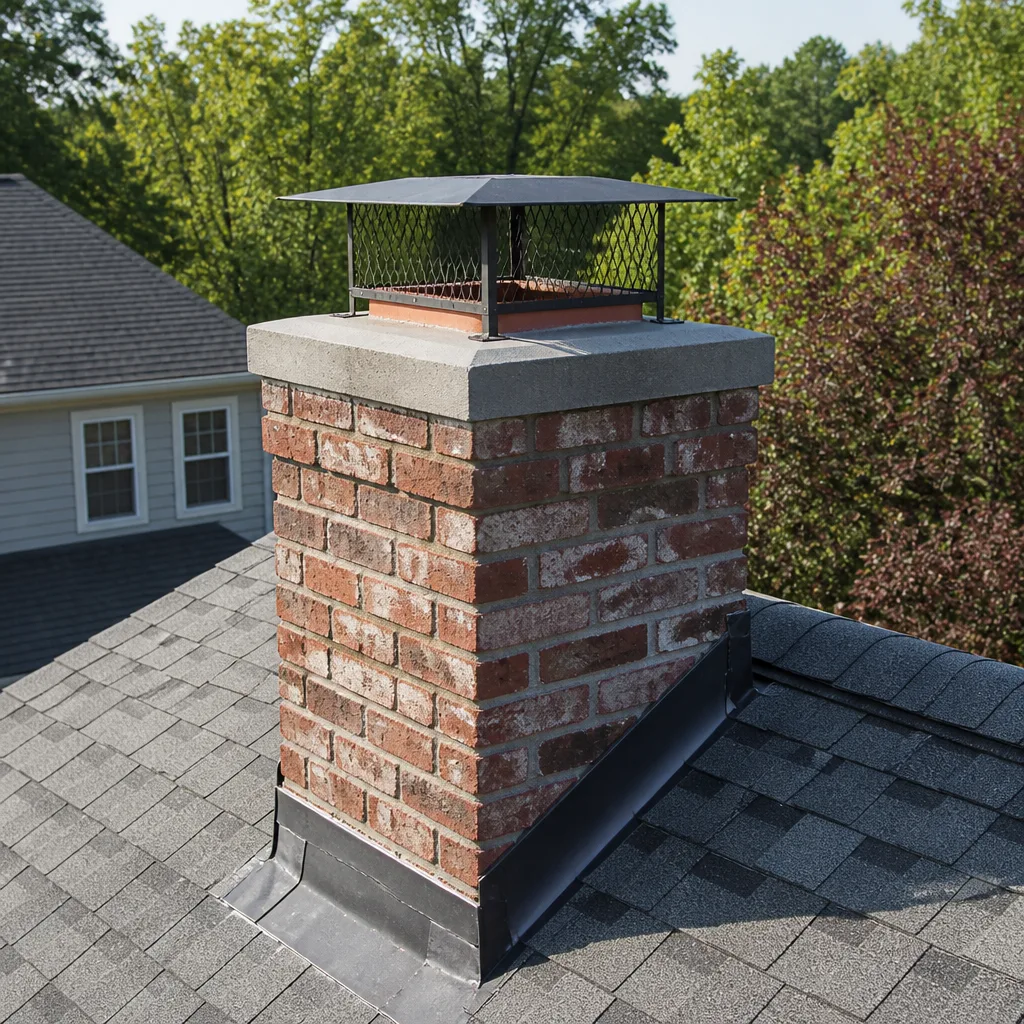 Sweep & inspection
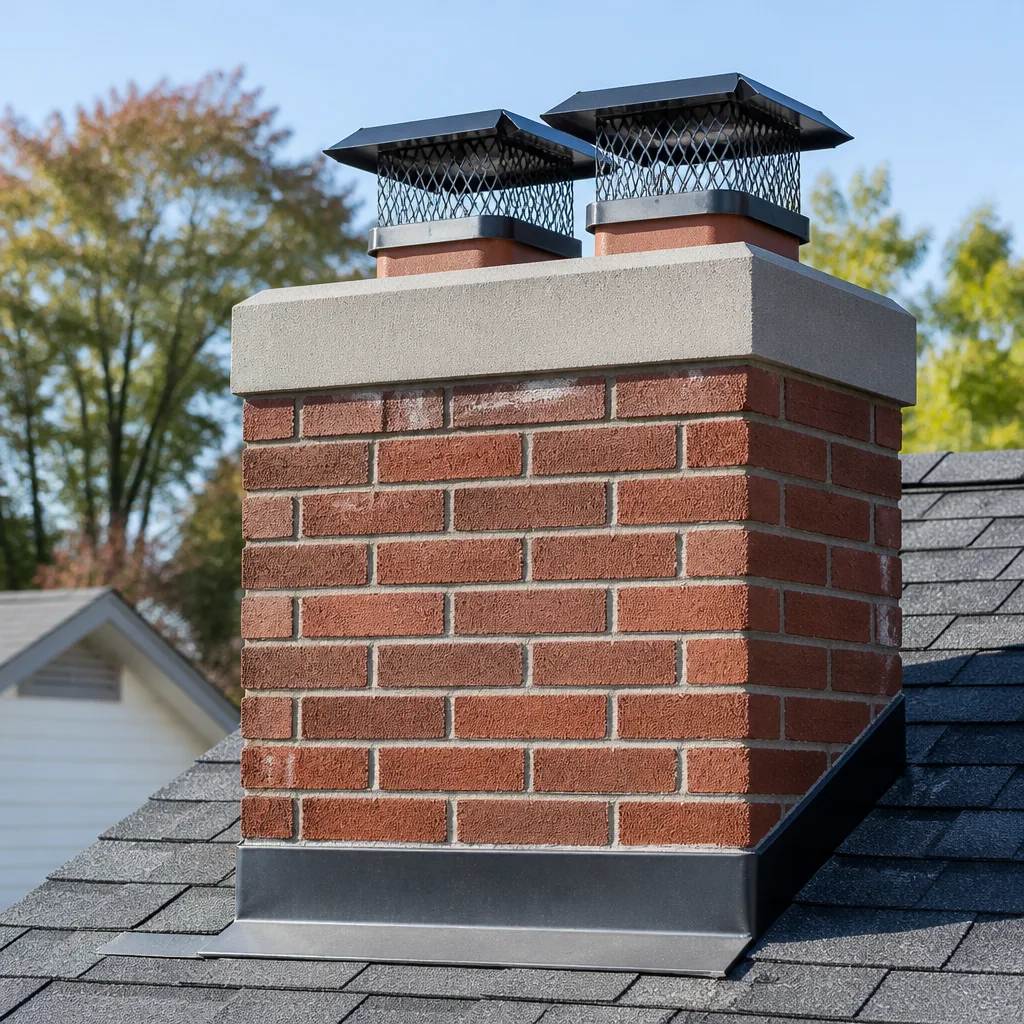 Caps & crowns
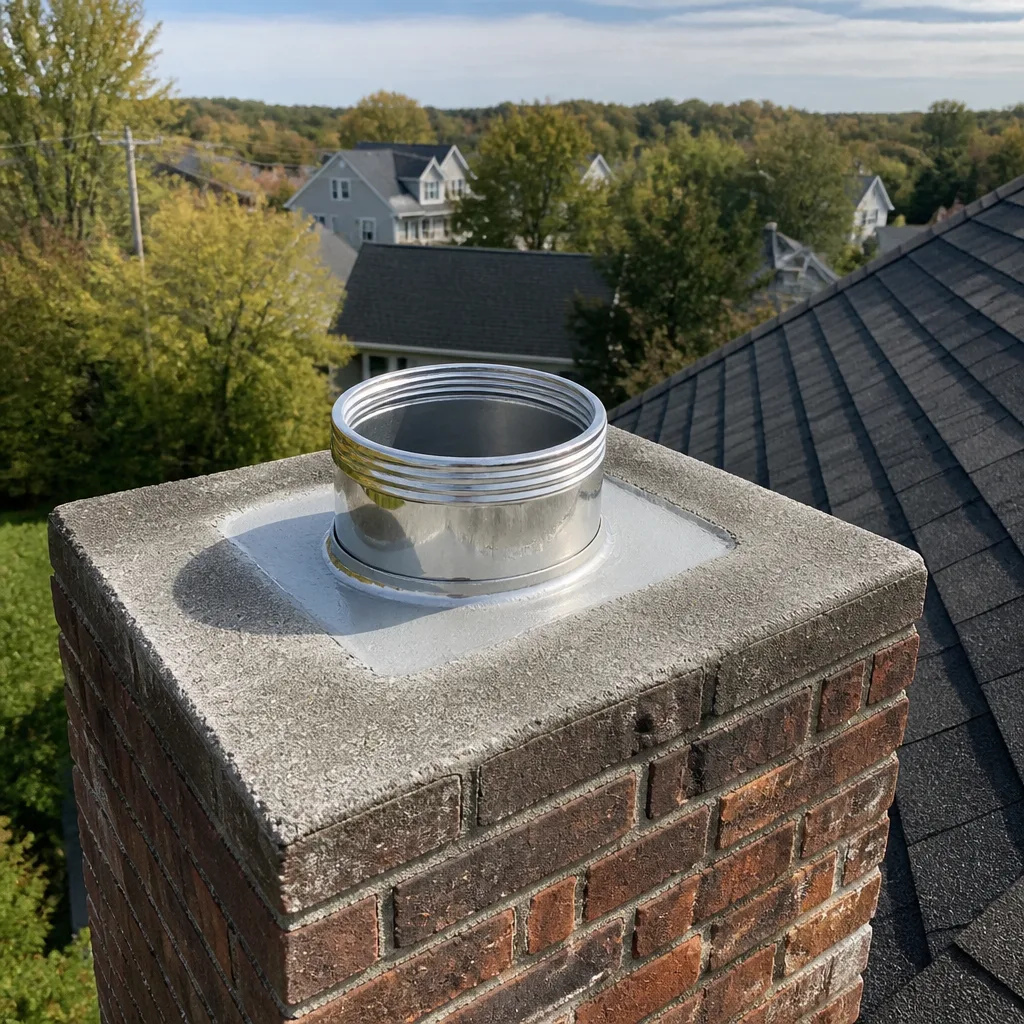 Flue relining
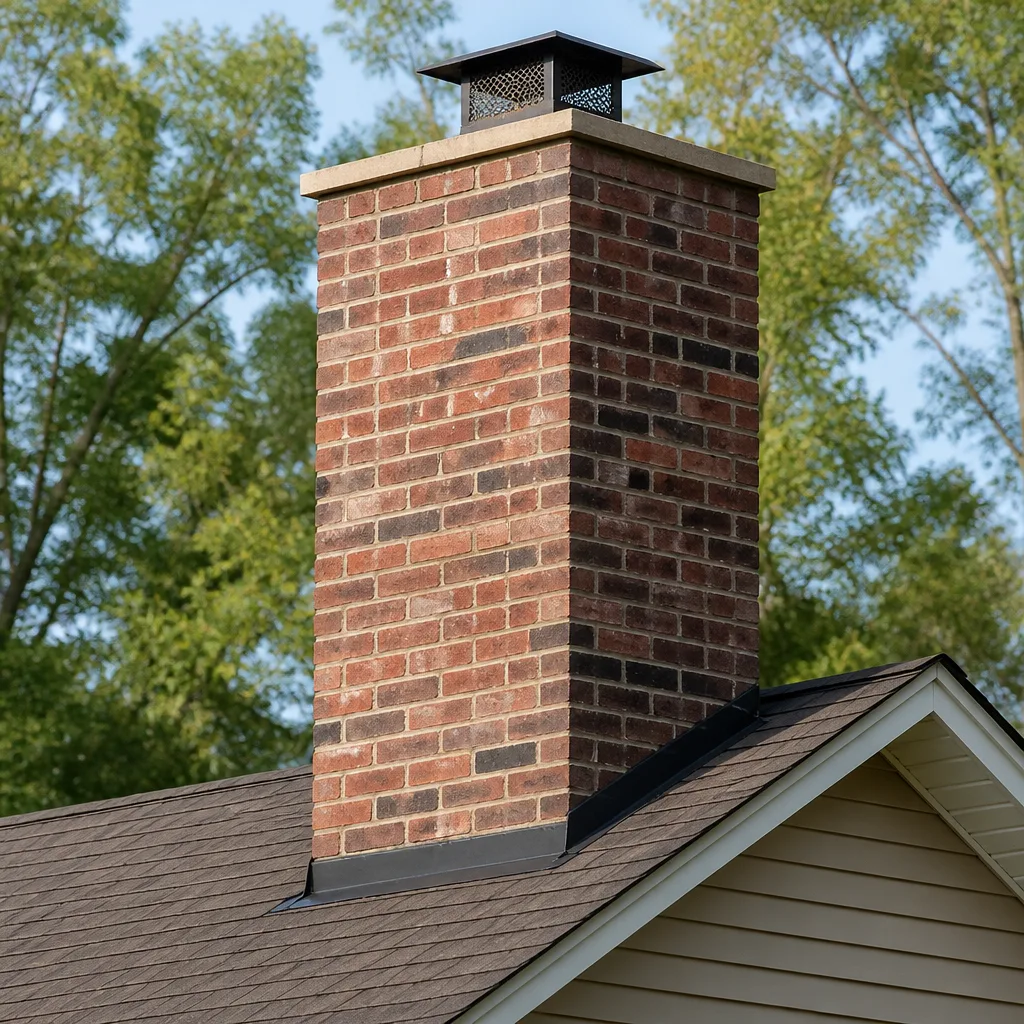 Masonry repair
 Gas fireplace service
Level 1 sweep and inspection to the NFPA 211 annual standard - flue, crown, cap, and flashing checked and photographed
Chimney sweep logs do not sweep chimneys. They loosen some creosote - which then falls where a brush and vacuum still have to collect it.
Chimney Cleaning Cost Breakdown: The Oxford Circle Homeowner’s Reference for 2026
A $79 sweep special and a $349 full-service sweep are not the same product. One is a brush down the flue and a receipt. The other includes a camera inspection, a written report of what the camera found, and a technician who can tell you whether the cracked tile in your liner is a repair or a replacement. The price gap looks like a marketing trick until the camera catches something the brush would have passed right over. In Oxford Circle, where a lot of the housing stock has been burning wood for generations, that distinction is the whole conversation. Below we break down every line item in a chimney cleaning quote so you can read one the way a technician reads it.
Quick Answer
A standard chimney sweep in Oxford Circle typically runs $180 to $290 in 2026, and a full-service sweep that bundles a Level 1 inspection, camera inspection, and written report usually lands between $280 and $450 depending on flue condition and access. Add-ons like chemical creosote treatment, animal removal, or a roofline height surcharge push the top of the range higher, and repair work found during the sweep is quoted separately. The written estimate you receive after the inspection sets the final price.
Styles & brands we work with
- Sweep & inspection
- Caps & crowns
- Flue relining
- Masonry repair
- Gas fireplace service
Table of Contents
- What’s Actually in a Chimney Cleaning Quote in Oxford Circle?
- Bundled vs. Add-On: Why the $79 Sweep and the $349 Sweep Aren’t the Same Job
- What Legitimately Drives the Price Up
- Creosote Stages and the Chemical Treatment Cost
- Repair Cost Thresholds to Know Before the Technician Arrives
- How to Tell If a Liner Replacement Recommendation Is Warranted
- The Real Cost of Deferring Cleaning
- How to Read a Chimney Quote Like a Technician
What’s Actually in a Chimney Cleaning Quote in Oxford Circle?
A chimney cleaning quote in Oxford Circle is built from four service components, and the confusion starts when a homeowner assumes all four are always included. They aren’t. Here’s what each one is and what it covers.
- Standard sweep: The brush-and-vacuum removal of soot and creosote from the firebox, smoke chamber, damper, and flue. This is the baseline service, and it’s the one most “special” pricing refers to.
- Level 1 inspection: A visual check of all accessible portions of the chimney, firebox, and venting system, with no tools required beyond a flashlight. Most sweeps include this as a matter of course, but confirm it in writing before you book.
- Camera inspection: A video camera run down the flue so the technician and the homeowner can see the interior surface of the liner. This is where cracked tiles, gaps at joints, and heavy glaze deposits get caught. It is not part of every sweep, and in our experience it’s the single most valuable add-on on the menu.
- Written report: A documented record of what was found, with photos where relevant. This matters later if you file an insurance claim or sell the house.
Pricing around Oxford Circle reflects this bundling. A sweep-only call sits at the low end of the range. A sweep plus a level 1 inspection plus camera plus report sits at the high end, and it’s the version we recommend every time. When you book a chimney sweep, ask directly which of these four you’re getting. If the answer is vague, keep looking.
Bundled vs. Add-On: Why the $79 Sweep and the $349 Sweep Aren’t the Same Job
The price difference between a discount sweep and a full-service sweep is almost entirely explained by what’s not in the discount one. A low-cost sweep is usually a brush down the flue from the roof, a quick vacuum of the firebox, and out the door. It can remove soot, and it can leave you with the impression that your chimney is fine. What it can’t do is show you the inside of the liner.
At the higher end, you’re paying for time, equipment, and documentation. A camera inspection on a typical Oxford Circle rowhouse flue takes longer than the sweep itself in some cases, because the technician has to set up, run the camera, review the footage with you, and write it up. That’s what the extra money buys.
Here’s the practical version: if your home is older, if you’ve never had a camera inspection, or if you’ve had a chimney fire of any size, the higher-tier sweep is the honest choice. If you burn occasionally and had a full inspection a year or two ago, a standard sweep plus a Level 1 can be enough. The important thing is that you know which one you’re buying and why.
One more point on bundling. When a company can sweep, inspect, and repair under one roof, you don’t pay twice for setup, access, or a second trip. That’s a genuine cost advantage of full-system service, and it’s worth asking about when you compare quotes.
What Legitimately Drives the Price Up
Not every price increase is a sales tactic. Some of the cost drivers on a chimney quote are real, measurable, and unavoidable. Knowing which is which is the whole game.
- Flue height above the roofline. A chimney that terminates well above the roof takes longer to access, more ladder, and more safety setup. That’s time, and time is money on any trade call.
- Creosote stage requiring chemical treatment. Stage 3 creosote is glazed and hard, and a brush won’t remove it. It has to be chemically treated first, then swept, then treated again. That’s a second visit and a second labor block. We cover this in detail below.
- Animal removal and exclusion. A bird nest or a squirrel in the flue isn’t a sweep, it’s a removal followed by a sweep followed by a cap installation. That’s three line items. The cap is what prevents the fourth.
- Access difficulty. Steep roof pitch, a chimney that sits behind a dormer, or a flue that has to be swept from the bottom up instead of the top down all add labor.
- Same-day vs. scheduled service. A scheduled sweep is usually a better price than a same-day call because the crew can plan the route and the equipment. If the flue isn’t an active hazard, schedule it.
- Condition found during the inspection. A cracked crown, a rusted damper, or a gap in the liner turns a cleaning job into a cleaning-plus-repair job. That’s not an upsell when the camera shows it. It’s a second estimate.
None of these are manufactured. All of them show up on real invoices in Oxford Circle. When a quote comes in higher than you expected, ask which of these six is responsible. A technician should be able to answer without hesitation.
Creosote Stages and the Chemical Treatment Cost
Creosote is the residue that builds up in every wood-burning flue. It forms in three stages, and the stage determines the cleaning method, the time, and the cost.
- Stage 1: Soot and light flaky deposits. A standard brush sweep removes it. No chemical treatment needed.
- Stage 2: Brittle, crusty deposits that can be brushed off, but require more passes and more time. Sometimes a chemical softener helps.
- Stage 3: Glazed, hard, tar-like deposits that a brush will not touch. This is the fire-risk stage. Chemical treatment is required, followed by a re-sweep, followed by a re-inspection.
If a technician tells you your flue is at stage 3, ask to see the camera footage. The glaze is visible, it’s distinctive, and it’s not something a technician can honestly fake. If the stage is confirmed, expect the treatment to add meaningfully to the cost of the job, because it’s a second visit and a longer labor block. That’s why full-service pricing matters: a cheap sweep that hits stage 3 and walks away hasn’t solved your problem, it’s only rescheduled it.
Stage 1 creosote rarely turns into stage 3 in a single season unless the flue is being burned hot and often with poorly seasoned wood. In most Oxford Circle homes, the progression is gradual, which means a yearly sweep catches it at stage 1 or 2 when the fix is cheap. Skip two or three years and the math changes.
Repair Cost Thresholds to Know Before the Technician Arrives
The most useful thing you can do before a technician arrives is understand roughly what the common repairs cost in the Philadelphia market. You don’t need exact numbers, but you do need a mental range so an estimate has a context to land in. Here’s what those thresholds typically look like in 2026.
- Crown repair: Rebuilding or resurfacing a cracked crown is usually a modest job, but it’s the difference between water running off the top and water running into the flue. Crown work is one of the most common items found during a sweep, and it’s the one most often deferred until it becomes a structural problem.
- Smoke chamber parging: The smoke chamber is the transition zone between the firebox and the flue, and its rough surface collects creosote faster than smooth tile. Parging smooths it out. HeatShield is the system we use for resurfacing because it’s a code-compliant repair rather than a cosmetic patch.
- Damper replacement: A rusted or stuck damper affects both efficiency and safety. Replacement is usually a contained job once the firebox is accessed.
- Partial liner replacement: A section of failed tile can sometimes be spot-replaced or resurfaced, and sometimes it can’t. We walk through how to evaluate that below.
All of these are quoted by written estimate after the inspection, and the estimate sets the final price. The reason we spell them out is simple: homeowners who know the ballpark ask better questions. They can tell the difference between a crown repair quote that makes sense and one that arrives with a layer of mystery attached.
How to Tell If a Liner Replacement Recommendation Is Warranted
The single biggest fear homeowners bring to a sweep is being told the liner is shot when it isn’t. It’s a reasonable fear, and the answer is documentation. Any recommendation to move from cleaning to liner replacement should come with camera footage you can watch and findings you can point to. Here are the specific findings that justify the cost.
- Crack width. Hairline cracks in clay tile are one thing. A crack that’s wide enough to let flue gases pass through the tile wall is another. The camera shows the width clearly, and the technician should point it out.
- Spalled tile percentage. Spalling is flaking and material loss from the tile surface. A small area can sometimes be resurfaced. A pattern of spalling around the flue or across multiple tiles usually means the tile has lost its integrity and a liner is the right call.
- Gaps at tile joints. Clay tile liners are stacked with mortar joints. When joints fail, gases can escape into the chimney’s surrounding structure. This one is hard for a homeowner to see without a camera, which is why the camera matters.
- Failed prior liner. If a previous install is cracked, delaminated, or improperly sized, replacement is warranted. DuraFlex flexible liners are what we install when the existing flue geometry makes rigid tile impractical.
If a technician recommends a liner replacement and can’t or won’t show you footage of any of these findings, that’s not a recommendation, it’s a sales pitch. You’re allowed to ask. In fact, a technician with nothing to hide should offer the footage before you ask for it. The same applies when we quote chimney repair: the estimate is the written estimate, and the camera evidence is yours to review before anything is booked.
The Real Cost of Deferring Cleaning
The cheapest cleaning you’ll ever get is the one you do on a normal schedule. Everything past that gets progressively more expensive, and the price gap between the early and late versions isn’t small.
Three things happen when you skip years. First, creosote advances from stage 1 to stage 2 or 3, which means chemical treatment and a second visit. Second, small problems become large ones: a crack in the crown becomes water intrusion, water intrusion becomes spalled tile, spalled tile becomes the case for a liner. Third, documentation lapses. If a fire does happen and an insurance claim is filed, a written inspection record from before the fire is the single most useful document you can have.
The pattern holds across Oxford Circle: homes with an intact crown and a proper cap avoid the expensive section of this list almost entirely. That’s why chimney cap & crown work gets bundled into a sweep’s repair list so often. The cap is what keeps out the rain and the animals, and the crown is what channels water off the top instead of into the flue. Neither is expensive compared to the repairs they prevent.
One more practical note: a flue that’s been sitting unused for several years should not be lit until it’s been swept and inspected. Animal nests, bird debris, and detached tile are common finds in flues that have been idle, and none of them are things a homeowner should test with a match.
How to Read a Chimney Quote Like a Technician
A chimney quote is a short document, and there are only a handful of things to check. Once you know what to look for, the difference between a good quote and a vague one is obvious in about thirty seconds.
- Is the inspection level stated? A Level 1 inspection is a visual check. It should say so. If it doesn’t specify, ask.
- Is the camera inspection listed separately or bundled? Either is fine, as long as you know which you’re paying for.
- Is the written report included? A report you can keep is a piece of your home’s records. It’s worth asking for even if the quote doesn’t mention it.
- Are the repair items itemized? Good quotes list each repair with its own line and its own price. Vague “repair work” line items are a red flag.
- Are the materials named? When a quote specifies HeatShield, DuraFlex, Gelco, or Olympia Chimney components, you know exactly what’s going in your home. Vague “premium materials” language is the opposite.
- Is it a written estimate or an hourly rate? The price should be set per job by the written estimate. Hourly billing on chimney work makes it impossible to budget, and it isn’t the norm in this trade.
- Is it signed and dated? This sounds trivial. It isn’t. You want a document, not a text message.
At Chimney Sweep Oxford Circle, we build quotes to pass all seven checks because it’s the only way to give a homeowner a real picture of what’s happening. From the firebox to the crown, the quote reflects the full scope of what we can actually do, not just the sweep. If you compare quotes against this list, the right one usually stands out. To get the full picture of our scope, start with Chimney Sweep Oxford Circle.
Common Mistakes to Avoid
- Accepting a $79 sweep without asking what’s in it. A brush-only sweep is not an inspection, and if your liner has a problem, the brush will pass right by it. Ask whether a camera inspection is included, and if it isn’t, ask what it costs to add.
- Choosing the lowest bid without comparing scope. Two quotes that differ by $200 usually differ by a service component, not by profit margin. Read the line items before you read the totals.
- Skipping the sweep on a gas fireplace insert. Gas inserts need annual service too, and the venting, cap, and terminal can fail or clog. A gas insert that’s never been inspected is not the low-risk appliance people assume.
- Burning unseasoned wood to save money. Wet wood creates creosote faster than anything else. If you’re generating stage 2 or stage 3 deposits every year, the wood is the reason, not the chimney.
- Deferring crown repair until spring. Water intrusion through a cracked crown does its damage in the winter. By spring, the repair scope has often grown.
- Ignoring a missing or damaged cap. An open flue is an open door for rain, birds, squirrels, and sparks. A properly fitted Gelco or Copperfield cap is a small cost compared to the removal-and-sweep that follows a nest.
- Treating the written report as optional. The report is your record. Keep it with your home documents. If you ever file an insurance claim or sell the house, it’s the first thing anyone asks for.
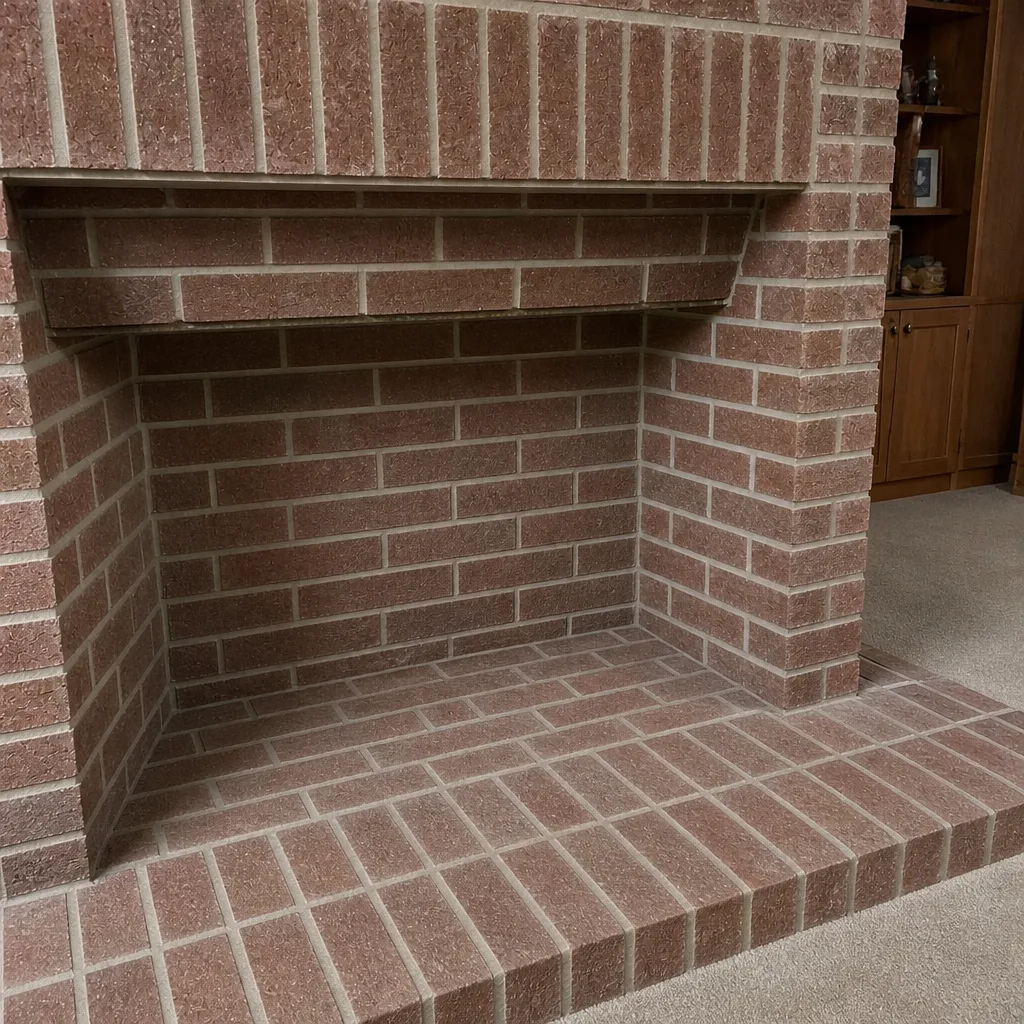
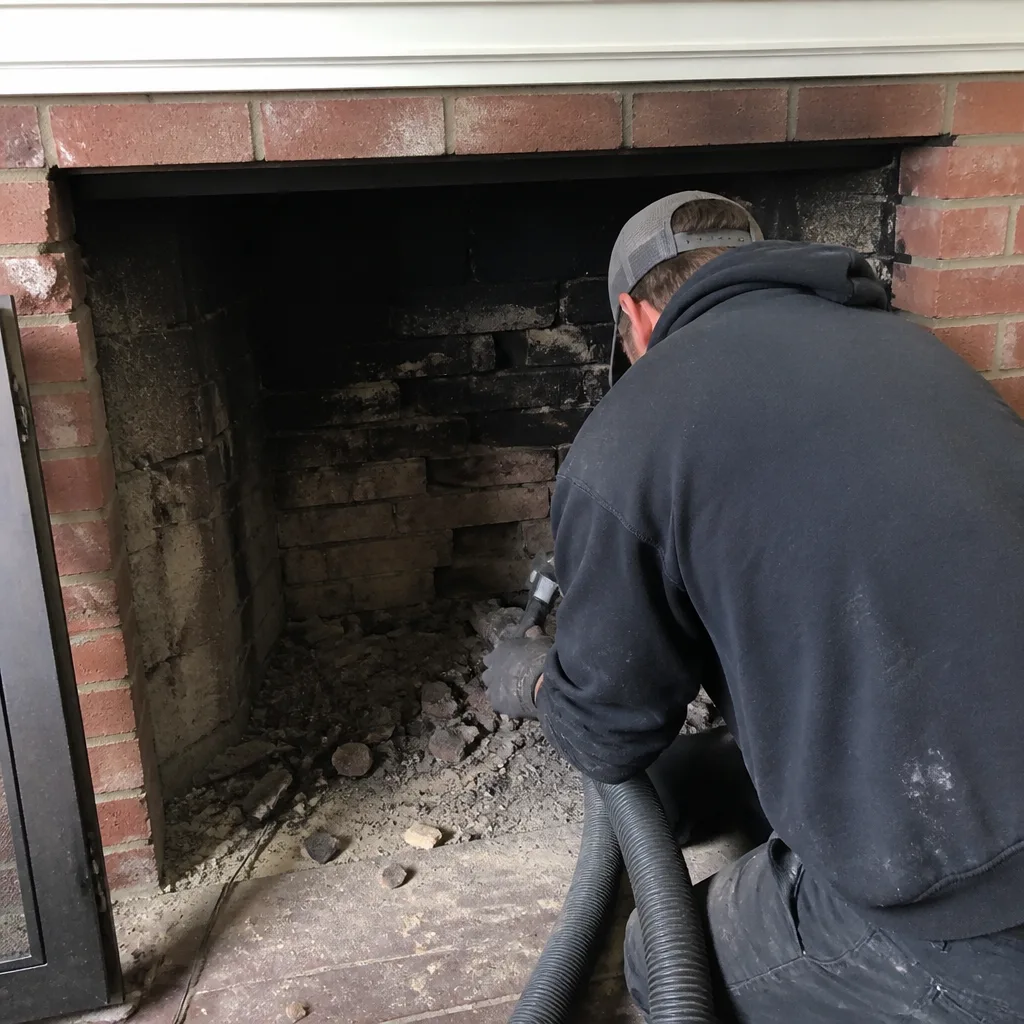
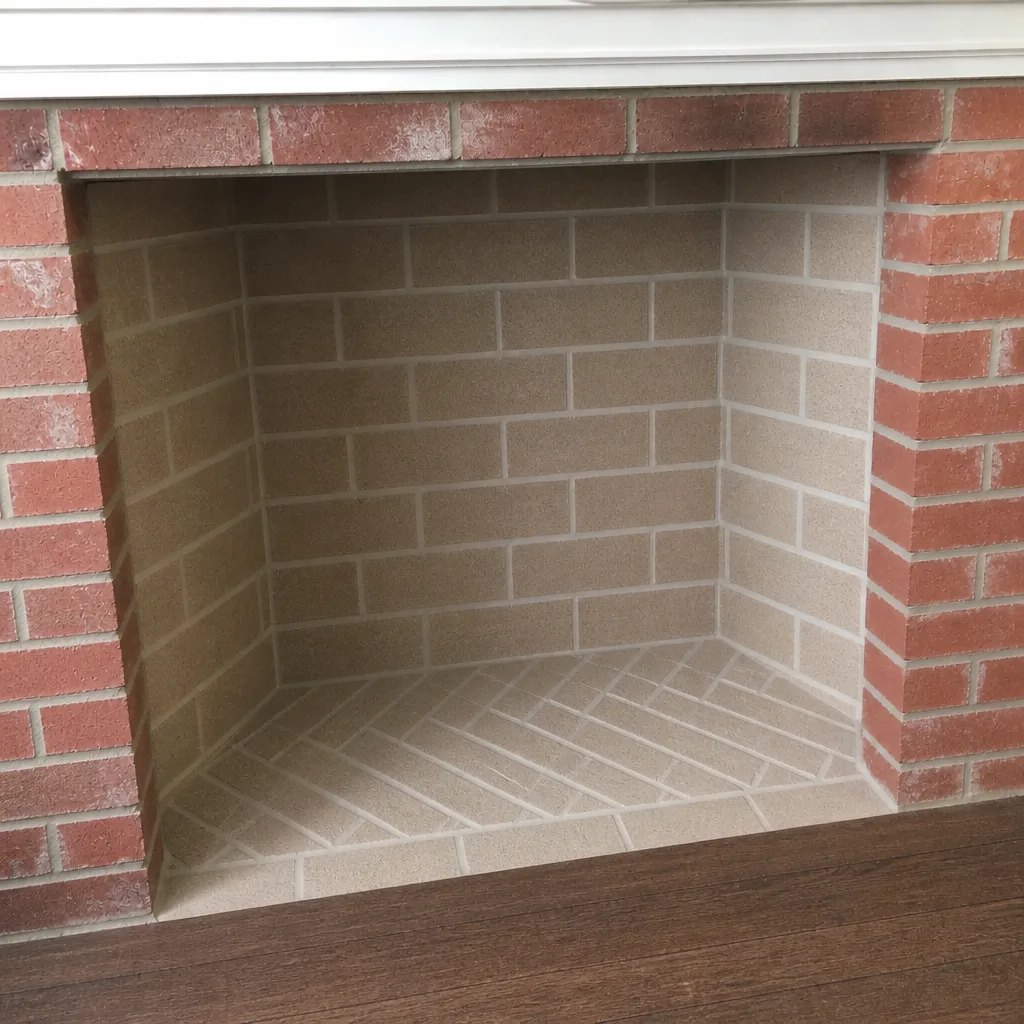
See the difference
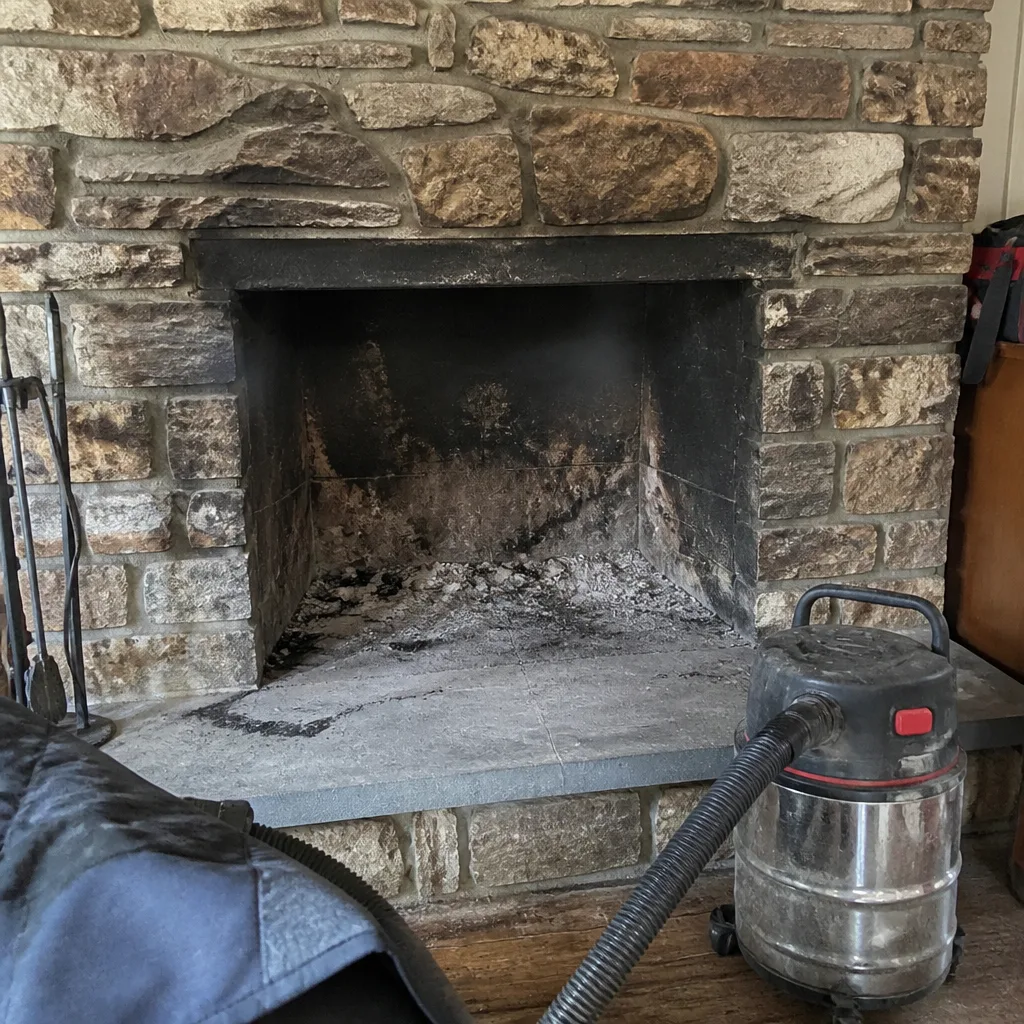 Before
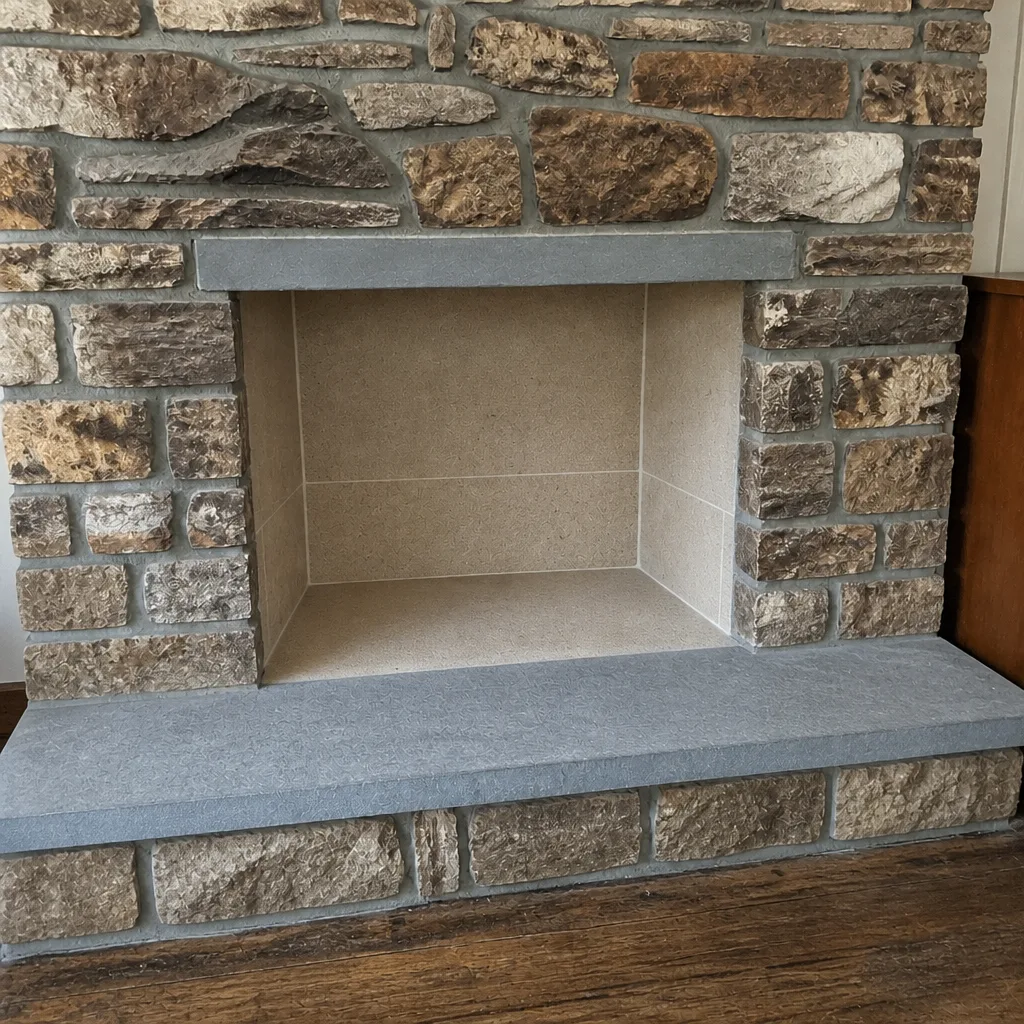 After
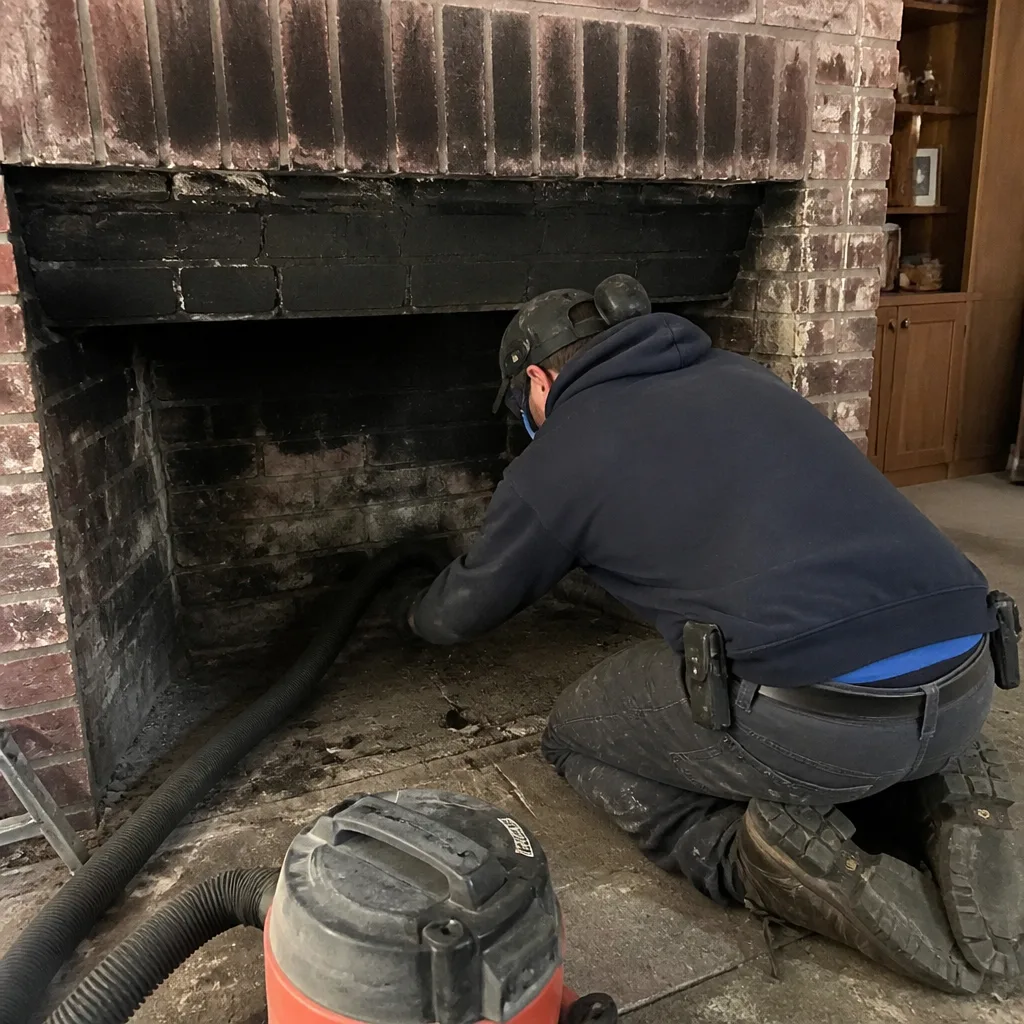 Before
 After
 Before
 After
When to Call a Professional
There are situations where a sweep is routine maintenance and there are situations where it shouldn’t wait. Call a professional if you smell smoke in the house when the fireplace isn’t lit, if the firebox shows signs of heavy soot near the top, if the damper doesn’t open and close cleanly, if you’ve had any chimney fire, or if the flue hasn’t been swept in more than a year. Also call if the fire draws poorly, if the chimney cap is damaged or missing, or if you see water staining on the ceiling near the chimney. Chimney Sweep Oxford Circle offers free estimates in Oxford Circle. Call (855) 259-0792. We answer 24/7. Fast dispatch from 7am to 7pm, Sunday through Friday.
Frequently Asked Questions
A standard sweep typically costs $180 to $290 in Oxford Circle in 2026, while a full-service sweep with a Level 1 inspection, camera inspection, and written report usually runs $280 to $450. Repair work found during the inspection is quoted separately, and the written estimate sets the final price. Call (855) 259-0792 for an exact quote. Estimates are free.
Only if the camera shows a finding that justifies it: a wide crack, significant spalling, failed joints, or a prior liner that’s lost integrity. A liner recommendation without footage you can review isn’t a recommendation, it’s a guess. Ask to see the video before you book anything. Call (855) 259-0792 and we’ll walk you through what the inspection shows.
Once a year for a wood-burning fireplace that sees regular use is the standard, and more often if you burn heavily or burn unseasoned wood. Gas inserts and pellet appliances should also be serviced annually. A yearly sweep catches stage 1 creosote while the fix is cheap. Call (855) 259-0792 to schedule one.
Creosote advances from stage 1 to stage 3, which means chemical treatment and a second visit instead of a simple sweep, and small cracks become structural problems. Skipping also means you have no documentation of the flue’s condition, which matters if you ever file an insurance claim. Call (855) 259-0792 for a quote. Estimates are free.
No. The price is set per job by the written estimate, not by when you call. If the flue isn’t an active hazard, a scheduled appointment is usually easier for everyone, but the pricing itself doesn’t change based on timing. Call (855) 259-0792 and we’ll give you the exact scope and quote.
Yes, especially on an older Oxford Circle home or a flue that’s never been inspected. The camera is what catches cracked tile, failed joints, and glaze deposits before they become a fire risk. A brush-only sweep can’t see any of it. Call (855) 259-0792 to book a sweep with the camera included.
The Bottom Line
Chimney cleaning prices in Oxford Circle vary because legitimate scope varies, not because the market is inconsistent. A sweep-only job and a full-service job with an inspection, camera run, and report are different products, and the higher-tier one is the one that catches problems while they’re still cheap. Know what’s in your quote, ask to see the camera footage if a repair is recommended, and treat the yearly sweep as the low-cost end of a cost curve that gets steep if you skip it. From the firebox to the crown, one company should be able to handle the cleaning, the repair, and the materials without sending you to a second contractor. Call (855) 259-0792 for a free estimate. We answer 24/7. Fast dispatch from 7am to 7pm, Sunday through Friday.
Written by the team at Chimney Sweep Oxford Circle.