
Last updated November 22, 2026
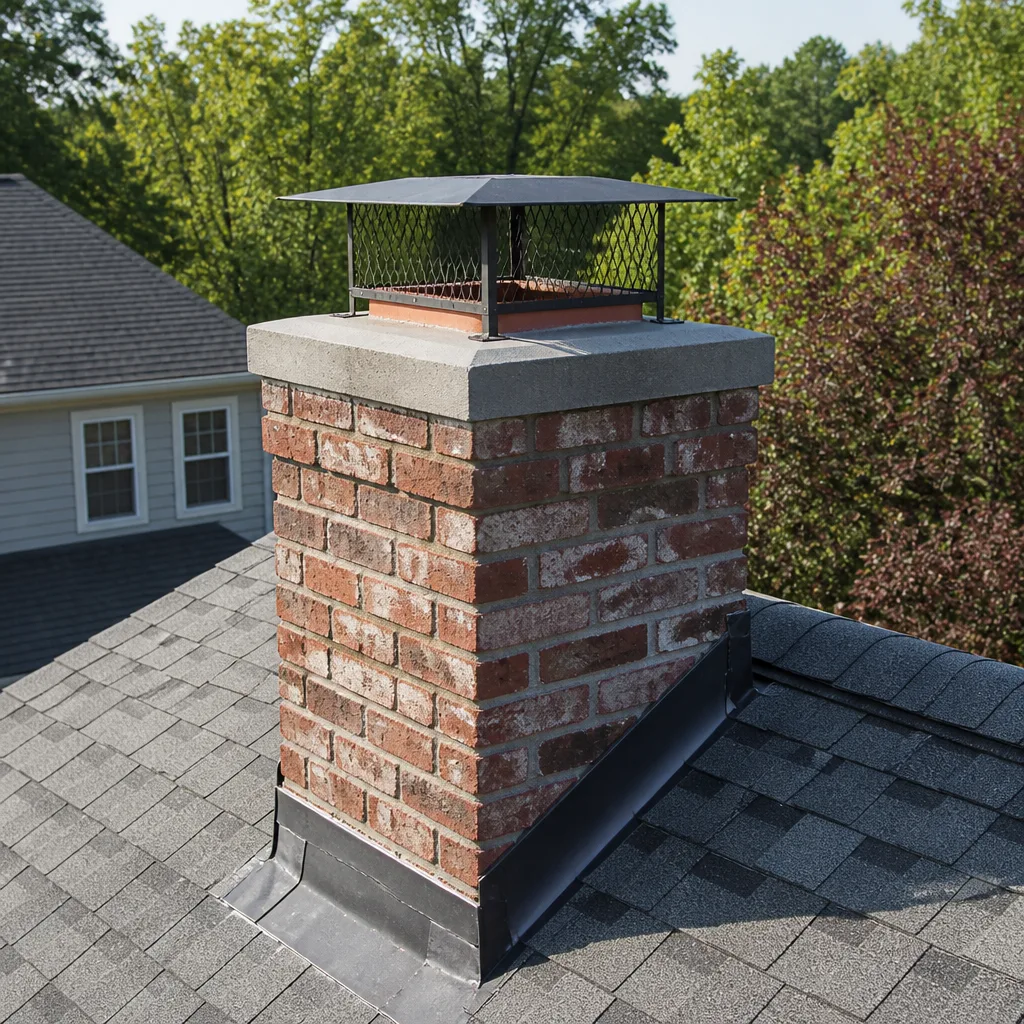 Sweep & inspection
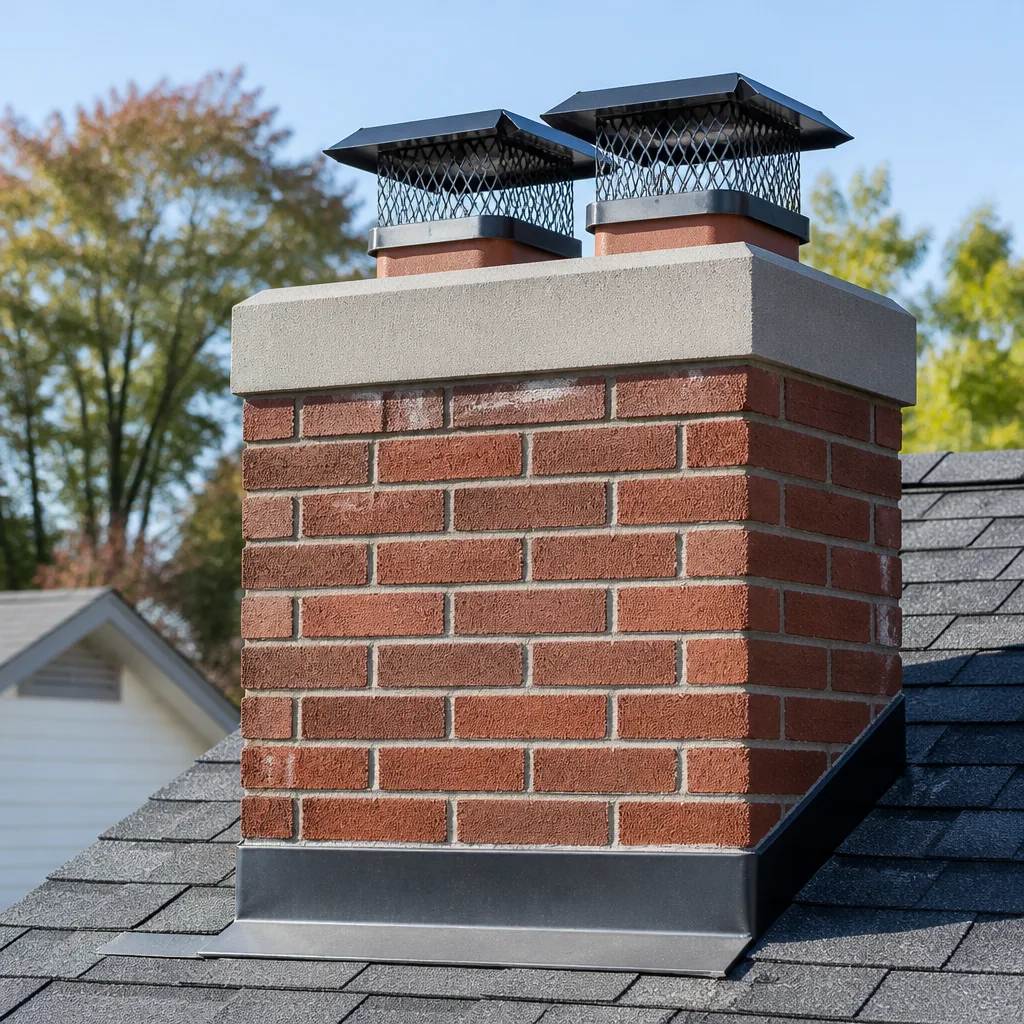 Caps & crowns
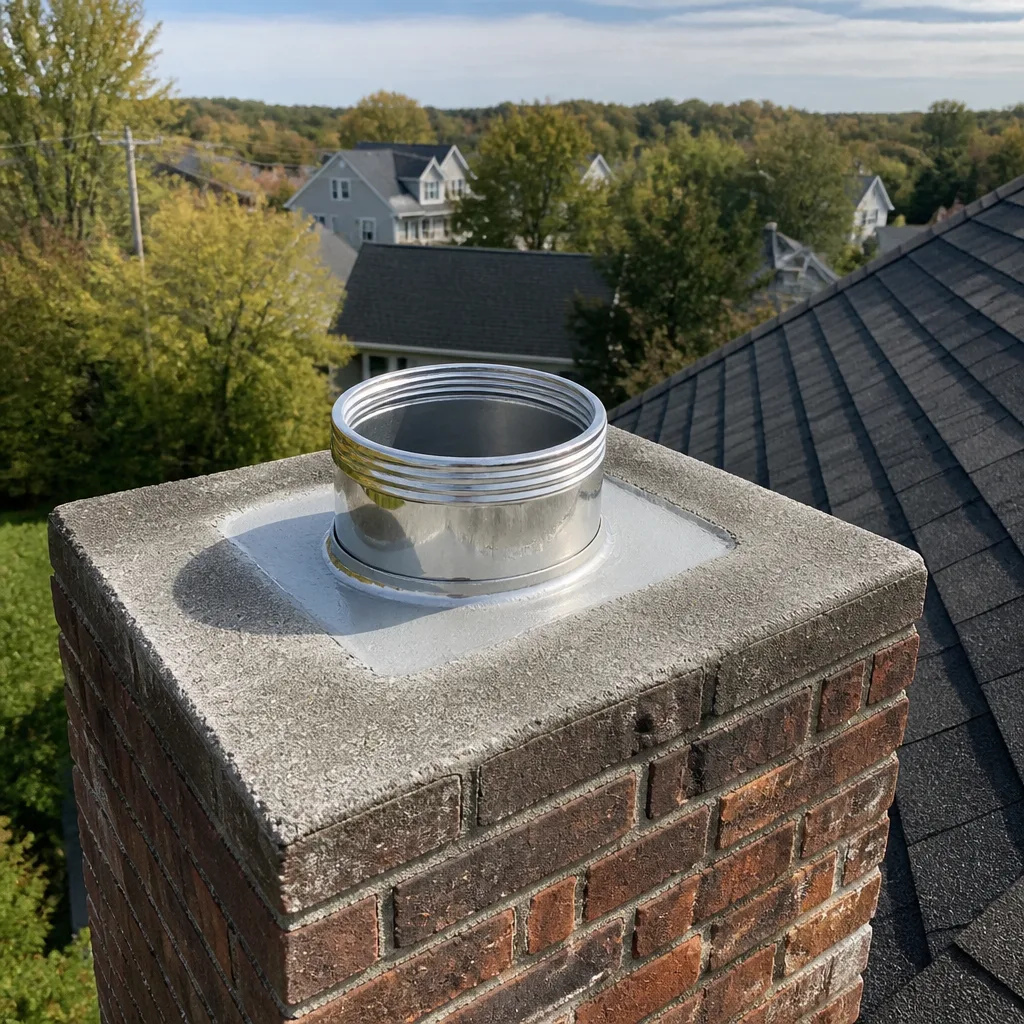 Flue relining
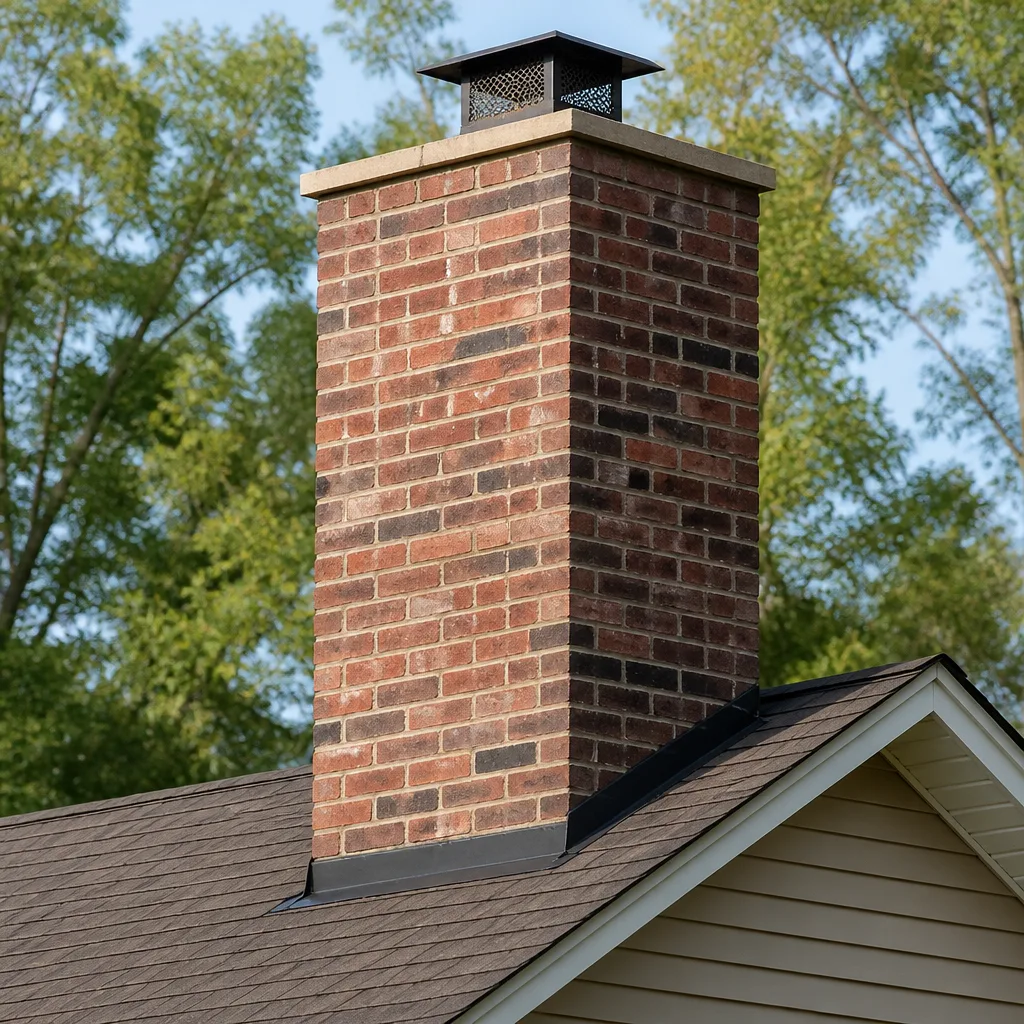 Masonry repair
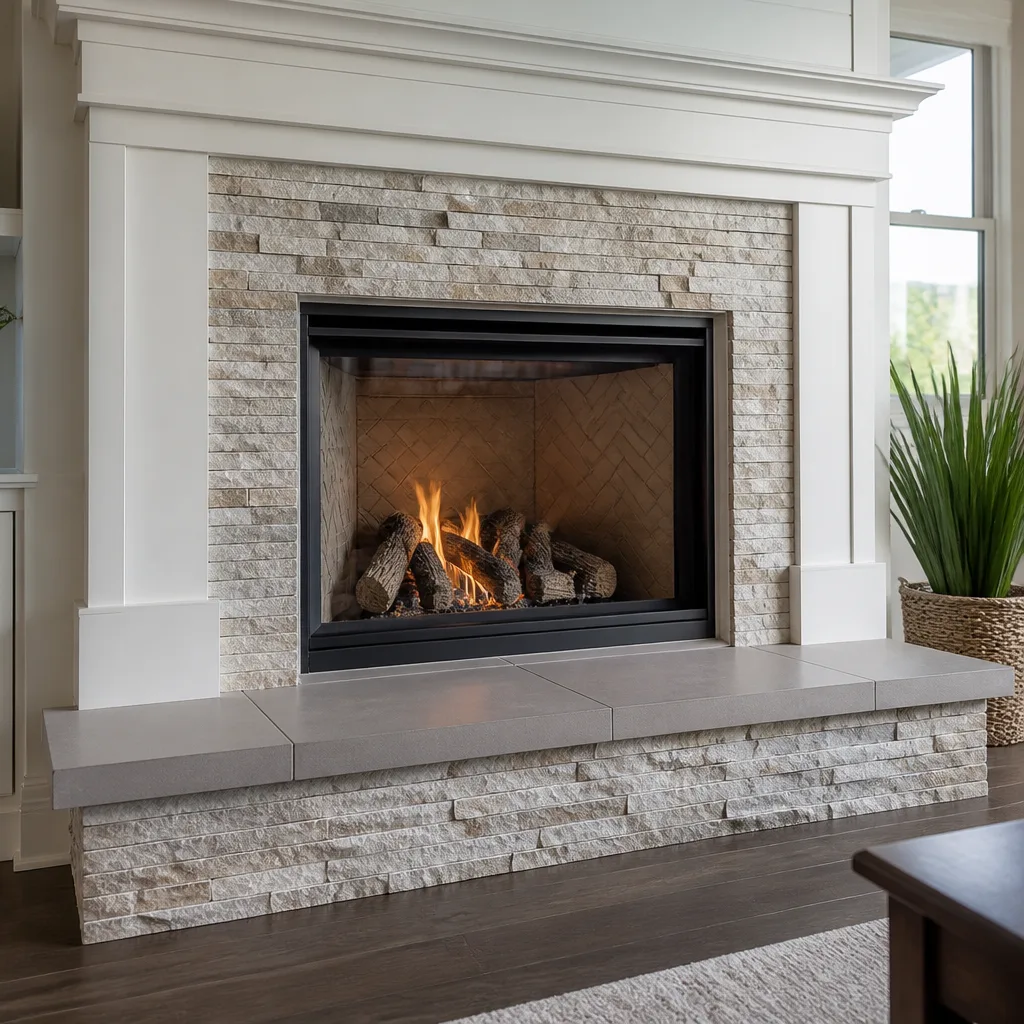 Gas fireplace service
Level 1 sweep and inspection to the NFPA 211 annual standard - flue, crown, cap, and flashing checked and photographed
Chimney sweep logs do not sweep chimneys. They loosen some creosote - which then falls where a brush and vacuum still have to collect it.
The Complete Guide to Chimney Cleaning in Oxford Circle
Most chimney fires in Oxford Circle rowhouses don’t start because someone skipped a sweep. They start because the right chimney got the wrong cleaning method at the wrong interval. Oxford Circle’s housing stock is a specific mix: tightly packed rowhouses, many built with clay-tile flues that have been quietly degrading for decades, and a growing number of gas inserts retrofitted into chimneys designed for wood. That combination makes mismatched cleaning more common here than in most of Northeast Philadelphia. This guide walks the full sequence – inspection, cleaning, and the proof you should get afterward – so you can make decisions from knowledge instead of guesswork.
Quick Answer
Chimney cleaning in Oxford Circle is a diagnostic process, not a brush-and-go visit. A proper service starts with a Level 1 inspection to identify your flue type and creosote stage, uses a cleaning method matched to that flue (clay tile, cast-in-place, or stainless liner), and ends with a written report that includes before-and-after photos, the creosote stage found, liner condition notes, and any obstructions. If your chimney has glazed third-degree creosote, chemical treatment has to happen before any brushing, or the sweep is largely cosmetic.
Styles & brands we work with
- Sweep & inspection
- Caps & crowns
- Flue relining
- Masonry repair
- Gas fireplace service
Table of Contents
- Why Oxford Circle Rowhouses Change How a Chimney Gets Cleaned
- Level 1, 2, and 3 Inspections: Which One You Actually Need
- Creosote Stages and Why Glazed Creosote Needs Chemical Treatment First
- The Flue-Type Matrix: Clay Tile, Cast-in-Place, and Stainless Liners
- Step by Step: What a Proper Cleaning Visit Involves
- What a Valid Post-Cleaning Report Should Document
- How Often Should an Oxford Circle Chimney Be Swept?
- Repairs Diagnosed During Your Sweep
Why Oxford Circle Rowhouses Change How a Chimney Gets Cleaned
Oxford Circle is built tight. Many of the rowhouses here share party walls, and a good number have back-to-back chimney stacks where two flues run up the same masonry mass. That layout creates two specific problems a generic sweep doesn’t account for.
The first is access. When a flue backs up against a neighbor’s flue, there’s often no exterior cleanout, and the only way in is through the firebox or the roof. A technician who arrives expecting a straightforward side cleanout will either force the wrong approach or skip the portion they can’t reach. Both leave debris behind.
The second is containment. When you brush a shared stack, dust and soot can travel through cracks in the masonry between flues. In a rowhouse, that means debris can end up in the next-door flue or, worse, in living space. Proper containment – sealed openings, negative air pressure, drop cloths over the full hearth area – isn’t optional here the way it might be in a detached single-family home.
In our experience across Oxford Circle, the sweeps that go wrong are the ones that treat every chimney the same. Cleaning a shared-stack rowhouse flue like a standalone suburban chimney is how soot ends up in a bedroom. If your home was built in the mid-20th-century wave of Oxford Circle construction, assume the flues are shared until someone confirms otherwise.
The takeaway: ask any chimney company how they handle shared flues and debris containment. If the answer is vague, that tells you something. If you want a chimney sweep in Oxford Circle that treats the stack as a system, that’s the conversation worth having.
Level 1, 2, and 3 Inspections: Which One You Actually Need
NFPA 211 defines three inspection levels, and which one applies isn’t a matter of preference. Specific events trigger specific levels. Here’s how they break down.
Level 1 Inspection
A Level 1 is the standard inspection during a routine sweep. It covers readily accessible portions of the chimney, the firebox, the damper, and the visible flue. It assumes the chimney is being used as designed, with the same fuel, and nothing has changed since the last service. Most annual sweeps start and end here.
Level 2 Inspection
A Level 2 goes further: it includes everything in a Level 1 plus a video camera scan of the interior flue and inspection of accessible attic, crawlspace, and roof-level components. NFPA 211 triggers a Level 2 in several situations:
- A change in fuel type – for example, a wood-burning fireplace converted to a gas insert
- A change in the appliance connected to the flue
- Sale or transfer of the property
- An event that may have damaged the chimney – a chimney fire, a storm, a lightning strike, or an earthquake
- Any time a Level 1 finds a condition that warrants a closer look
In Oxford Circle, the fuel-switch trigger comes up constantly. A lot of homes here have had gas inserts retrofitted into chimneys designed for wood, and often the insert was installed without a Level 2 inspection afterward. The flue size, liner condition, and clearances all change with that conversion, and a Level 1 won’t catch it.
Level 3 Inspection
A Level 3 is a diagnostic inspection that may require opening walls, ceilings, or the chimney itself when a serious hazard is suspected. It’s rare, but when a Level 2 camera scan shows a hidden defect – a gap in the liner, a cracked flue tile that may have migrated into framing – a Level 3 is the only way to confirm it.
If you’re buying or selling in Oxford Circle, a Level 2 is what the transaction should include. If you’ve just added a gas insert, a Level 2 is what confirms the retrofit was done correctly. These aren’t upsells; they’re mandated by the standard. Ask which level you’re getting before the visit, and get it in writing.
Creosote Stages and Why Glazed Creosote Needs Chemical Treatment First
Creosote is the residue that condenses on the inside of the flue when wood burns. It doesn’t form in one stage – it moves through three, and each stage requires a different cleaning response.
Stage 1: Soot and Flaky Creosote
This is the light, dusty, or flaky deposit that comes off with a standard poly brush. It’s what most people picture when they think of a chimney sweep, and it’s what annual maintenance is designed to prevent from accumulating.
Stage 2: Hard, Crusty Creosote
As creosote layers build, it hardens into a crusty, sometimes flaky-but-firm deposit that sticks to the flue wall. A poly brush gets some of it. A metal brush, used carefully, gets more. Rotary cleaning tools can remove a good portion. But at Stage 2, a technician has to be honest with the homeowner: this isn’t going to come off with one visit in many cases.
Stage 3: Glazed Creosote
Third-degree creosote is the dangerous one. It’s a shiny, hard, tar-like glaze that has been fired onto the flue wall by repeated hot burns. It’s fuel. It’s the creosote most closely associated with chimney fires, and it doesn’t respond to any brush – poly, metal, or rotary. Brushing glazed creosote actually polishes it, making it harder for the next treatment to penetrate.
Which is why glazed creosote needs chemical treatment before brushing. A chemical creosote modifier or a specialized glaze-removal product softens the glaze over a period of time, breaking it down into something a rotary tool can then remove. This requires a return visit. It is not a one-day job.
Here’s the part competitors miss. A standard sweep visit is often scheduled to fit a time slot, not a creosote stage. If your flue is glazed and the visit is one brush-and-go, the technician either doesn’t know they left fuel behind or doesn’t say. Ask directly: What creosote stage did you find, and if it’s Stage 3, what’s your plan for it? If you get a shrug, you’ve found your answer.
We treat Stage 3 as a two-step process – chemical application, then the cleaning pass – because that’s what the material actually requires. If you’re somewhere in Northeast Philly and want a company that will tell you the truth about your creosote, Chimney Sweep Oxford Circle can tell you exactly what stage you’re at and what it will take to remove it.
The Flue-Type Matrix: Clay Tile, Cast-in-Place, and Stainless Liners
Not every flue cleans the same way. The material inside your chimney determines the tool, the pressure, the risk, and how much you can expect removed in a single visit. Here’s the breakdown we use when we plan a sweep.
Clay Tile Flues
Most Oxford Circle homes built mid-century have clay tile flues. Clay tile is durable but brittle. It cracks. When it cracks, the gap between tiles or the crack in a tile allows creosote to travel behind the liner – which is where chimney fires start and where they do structural damage.
Cleaning approach: soft poly brushes for routine removal, with rotary tools only at low pressure so the tile doesn’t crack further. A camera scan before and after the clean is the only way to know whether the tile is intact. Any company that sweeps clay tile without a camera scan is guessing.
Cast-in-Place Liners
Cast-in-place liners – sometimes installed as a relining system or applied as a resurfacing treatment like HeatShield – are smoother than clay tile but not immune to damage. A cast-in-place liner develops cracks and spalling if it was installed badly or if the flue has been subjected to repeated hot burns.
Cleaning approach: poly brushes, gentle rotary. Cast-in-place liners are usually cleaned at a lower aggression level than clay tile because the surface is meant to stay sealed. Aggressive metal brushing can abrade the surface. After the clean, the interior needs a visual check for any cracking. If a crack is found, a resurfacing application – HeatShield is the system we use for this – can restore the liner without full replacement in many cases.
Flexible Stainless Liners
A stainless flexible liner – DuraFlex is the system we install – is what you find after a reline or in newer installs. Stainless is durable and easy to clean, but it has a specific quirk: corrugated stainless liners hold debris in the corrugations. A poly brush pass alone can leave residue behind if the liner is heavily used.
Cleaning approach: a flexible whip or a soft rotary tool matched to the liner diameter is more effective than a stiff brush. After cleaning, the liner should be checked at the top and bottom connections where the appliance meets the liner – those are the failure points, not the middle.
A quick reference:
- Clay tile: Poly brush, low-pressure rotary, mandatory camera scan before and after
- Cast-in-place: Gentle poly or low-aggression rotary, surface check after cleaning, HeatShield resurfacing if cracks found
- Stainless flexible (DuraFlex): Flexible whip or soft rotary, top and bottom connection check
If you don’t know which flue type you have, that’s the first question a technician should answer – before the brush comes out. Cleaning an unknown flue means cleaning without a plan.
Step by Step: What a Proper Cleaning Visit Involves
Here’s the sequence a proper cleaning visit follows, in order. If a technician skips a step, ask why.
- Pre-inspection. Visually inspect the firebox, damper, smoke chamber, and accessible flue. Note creosote stage, any prior heat damage, and whether the flue type matches what the homeowner described.
- Setup and containment. Drop cloths over the floor and hearth, seal the firebox opening, and establish negative air pressure in the work area. In shared-stack rowhouses, this step is non-negotiable – dust migration is the number one complaint on a poorly-run job.
- Camera scan (if not already done). A video scan of the interior flue, especially in clay tile and cast-in-place systems. This is where hidden cracks and gaps get found – before the brush, not after.
- Stage assessment. Confirm the creosote stage. If it’s Stage 3 glazed creosote, stop and schedule the chemical treatment. Do not brush. Brushing glazed creosote polishes it and makes the next step harder.
- Cleaning. Poly brush or rotary tool matched to the flue type, working top-down or bottom-up depending on access. In a rowhouse with roof access, the technician may work top-down to avoid disturbing the firebox as much as possible.
- Smoke chamber and shelf. This is the area most often skipped. The smoke chamber above the damper collects creosote and soot in a way the flue doesn’t, and it’s a frequent starting point for chimney fires. A proper sweep cleans it.
- Post-clean camera scan. A second scan to document the condition after cleaning – which is what proves what came off and what’s still there.
- Report and photos. A written report with the before-and-after images, creosote stage, liner notes, and any obstructions or repairs recommended.
In Oxford Circle, steps 2 and 7 are the ones most often botched. Containment because the shared-stack math is easy to get wrong. Post-clean scanning because it takes time and most companies price a sweep as a one-hour slot.
What a Valid Post-Cleaning Report Should Document
The report is where a cleaning job either proves itself or doesn’t. Here’s what a real one contains.
- Before-and-after photos. Not stock images, not a generic diagram. Photos of your flue, taken during the visit, at the same angle, before and after cleaning.
- Creosote stage. Stage 1, 2, or 3, with a note on which portions of the flue were at which stage. A report that says “creosote present” tells you nothing.
- Flue type confirmation. Clay tile, cast-in-place, or stainless, plus the age and condition of the liner.
- Liner condition notes. Any cracks, gaps, spalling, or missing mortar joints found during the camera scan. Specific location on the flue, not just “liner issues found.”
- Obstruction findings. Bird nests, leaves, animal debris, broken tile fragments, disconnected appliance flues. Anything that was blocking the flue and whether it was removed.
- Recommended next steps. Cleaning only, chemical treatment, resurfacing, liner replacement, or repair – with the reasoning.
If a company won’t produce this, or produces a handwritten note that says “cleaned, all good,” the report isn’t a report. It’s a receipt.
The standard we hold: nothing gets recommended that isn’t backed by camera evidence you can look at yourself. If the report tells you the liner is failing, the photos should show the failure. If it says the chimney is fine, the photos should show that too.
How Often Should an Oxford Circle Chimney Be Swept?
The industry standard for a wood-burning fireplace is annual inspection with cleaning as needed. But “as needed” is doing a lot of work in that sentence, and Oxford Circle’s mix of fuel types changes the math.
Wood-Burning Fireplaces
Sweep when creosote reaches 1/8 inch – roughly the thickness of a nickel – or at least once a year, whichever comes first. A heavy user burning seasoned hardwood can go longer between sweeps than someone burning green or unseasoned wood; the moisture content of the fuel drives the creosote buildup more than the burn hours do. Assume annual, and let the inspection tell you whether you can stretch it.
Gas Inserts and Gas Logs
Gas appliances don’t produce creosote in the same way, but they still need annual inspection. Gas exhaust produces moisture and, depending on the appliance, corrosive byproducts. The flue, the venting, and the appliance connections all need annual checks. A gas insert in a chimney designed for wood is exactly the condition that triggers a Level 2 inspection on NFPA 211.
Pellets and Wood Stoves
Sweep annually at minimum, sometimes twice a year if the stove is used heavily. Wood stoves can produce dense creosote faster than open fireplaces because of the controlled burn and the longer smoldering times.
Homes That Haven’t Been Swept in Years
If the previous owner didn’t sweep – and in Oxford Circle, plenty of houses were sold with no record of a chimney service – the first visit should be a Level 2, not a simple sweep. You’re establishing a baseline, not just cleaning.
The wrong interval is one of the most common ways a chimney gets into trouble. An overdue sweep on a Stage 3 flue doesn’t just clog the chimney; it triggers a chemical treatment, a follow-up visit, and sometimes liner repair. An annual sweep caught at Stage 1 or 2 is a short, straightforward job. There’s a reason the standard exists.
Repairs Diagnosed During Your Sweep
The advantage of a chimney company that cleans and repairs is that the diagnosis and the fix happen inside the same operation. The sweep finds the problem; the repair follows without a second contractor, a second diagnostic visit, or a handoff to someone who wasn’t in the flue.
Here’s what a sweep commonly turns up and what actually needs doing.
Minor Fireplace Repair
Cracked firebrick, damaged damper, loose mortar in the firebox – all diagnosed on the same visit. Damper repair or replacement is often straightforward. Firebox brick and mortar repair depends on the extent of the repair.
Chimney Cap and Crown Work
A missing or damaged cap or crown lets water into the chimney. In Oxford Circle, water is the biggest driver of chimney deterioration, because masonry that freezes and thaws with water in it cracks faster. A chimney cap & crown replacement stops the water before it gets into the flue. Gelco and Famco caps and venting products are what we use for the cap and venting side; the crown is rebuilt or resurfaced depending on the damage.
Liner Repair and Replacement
A camera scan that finds a cracked clay tile or a failing cast-in-place liner usually means relining. A DuraFlex flexible stainless liner is the standard solution for a masonry chimney that needs a new lining, and it goes in without full masonry demolition. A cast-in-place liner with surface cracking can often be saved by HeatShield resurfacing instead of replacement. The choice depends on what the camera shows – not on what’s convenient for the technician.
When the recommendation is a liner or a rebuild, you should be looking at camera footage of the problem before you agree to it. And when it’s a minor repair, you should be told that plainly – nobody should be upsold into a liner when the firebrick just needs repointing.
Systems and Materials
The brands matter less as a marketing point and more as a reliability point. DuraFlex liners carry a reputation in the relining trade because they perform. HeatShield is a code-compliant resurfacing system when the liner doesn’t need full replacement. Olympia Chimney and Copperfield supply the components that go inside the finished system. The reason we specify these is practical: chimney repair work is structural, and the materials either hold up to heat and weather or they don’t.
When Repair Can Wait
Not every finding requires immediate work. A firebrick that’s stressed but intact, a damper that’s stiff but functional, a mortar joint that’s cracked but not failing – all can be scheduled. What shouldn’t wait is anything that lets creosote out of the flue, water into the masonry, or exhaust gases into the living space. The right answer is to be told which is which, with photos and a clear explanation of the consequence of waiting.
Common Mistakes to Avoid
- Booking a sweep to fit a time slot instead of a creosote stage. A one-hour visit on a Stage 3 glazed flue doesn’t clean it – it polishes the glaze. Ask about the process before you book.
- Skipping the camera scan on clay tile. Clay tile cracks, and a crack in a shared-stack Oxford Circle rowhouse can put creosote directly against framing. A brush-and-go without a scan is a guess dressed as a cleaning.
- Letting a gas insert be installed without a Level 2 inspection afterward. The fuel change triggers the inspection requirement. Skipping it leaves the conversion unverified.
- Assuming a sweep-only company can finish the job. If the sweep finds a failing liner or a crown problem, a sweep-only outfit hands you off to a second contractor. The repair work that matters most is the work that gets diagnosed in the same visit.
- Accepting a report with no photos. “Cleaned, all good” isn’t a report. Before-and-after images and a documented creosote stage are.
- Buying a sweep without containment planning in a rowhouse. In back-to-back flue walls, dust migrates. Ask how the technician seals the firebox and manages negative air pressure.
- Treating a chimney as either/or – only cleaning or only repair. A chimney system is firebox to crown. Cleaning and repair sit on the same visit for a reason.
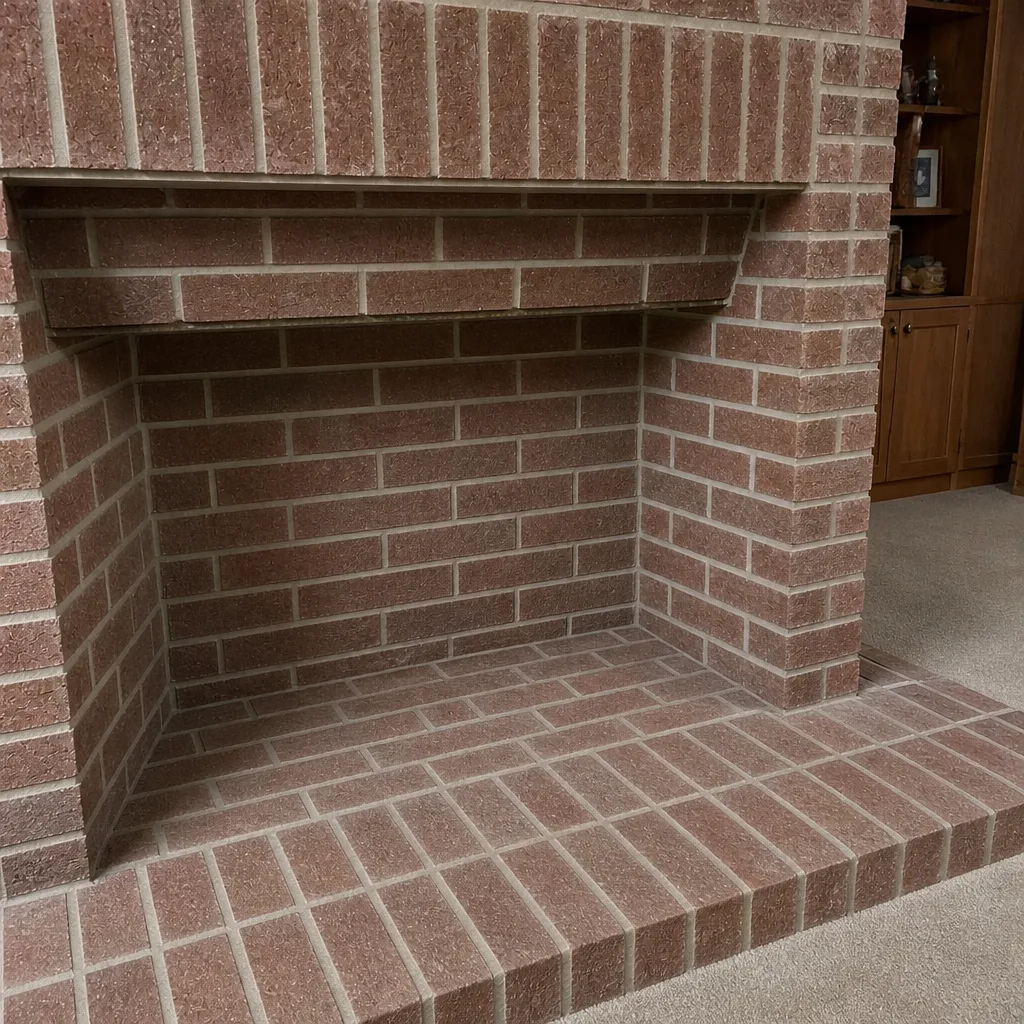
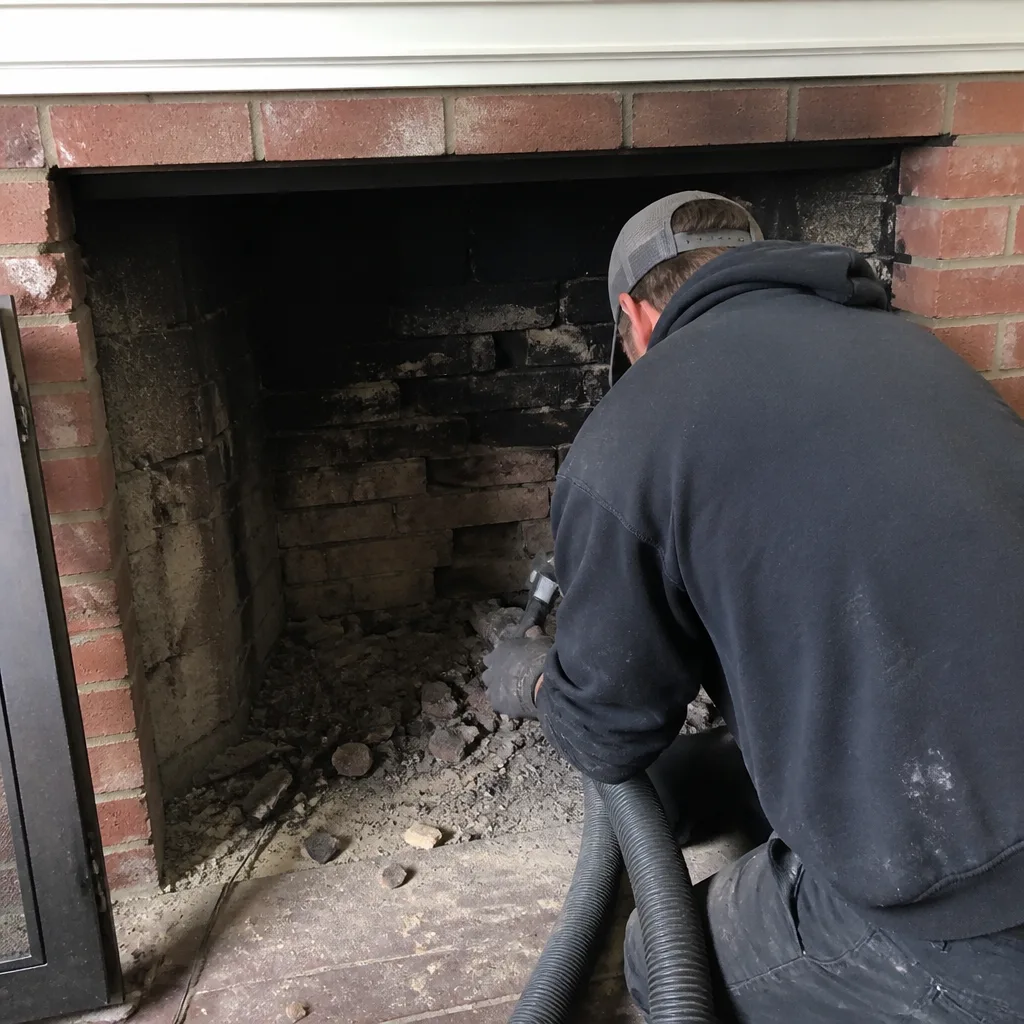
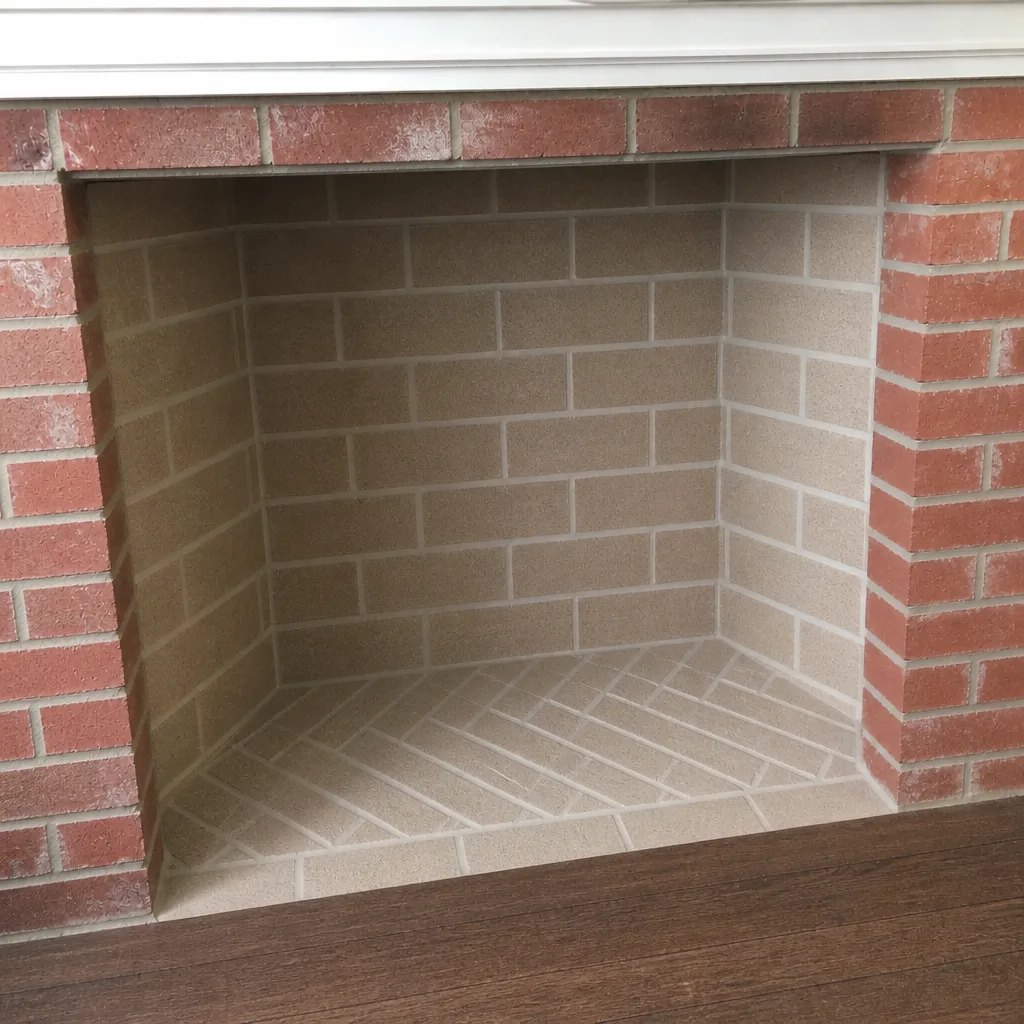
See the difference
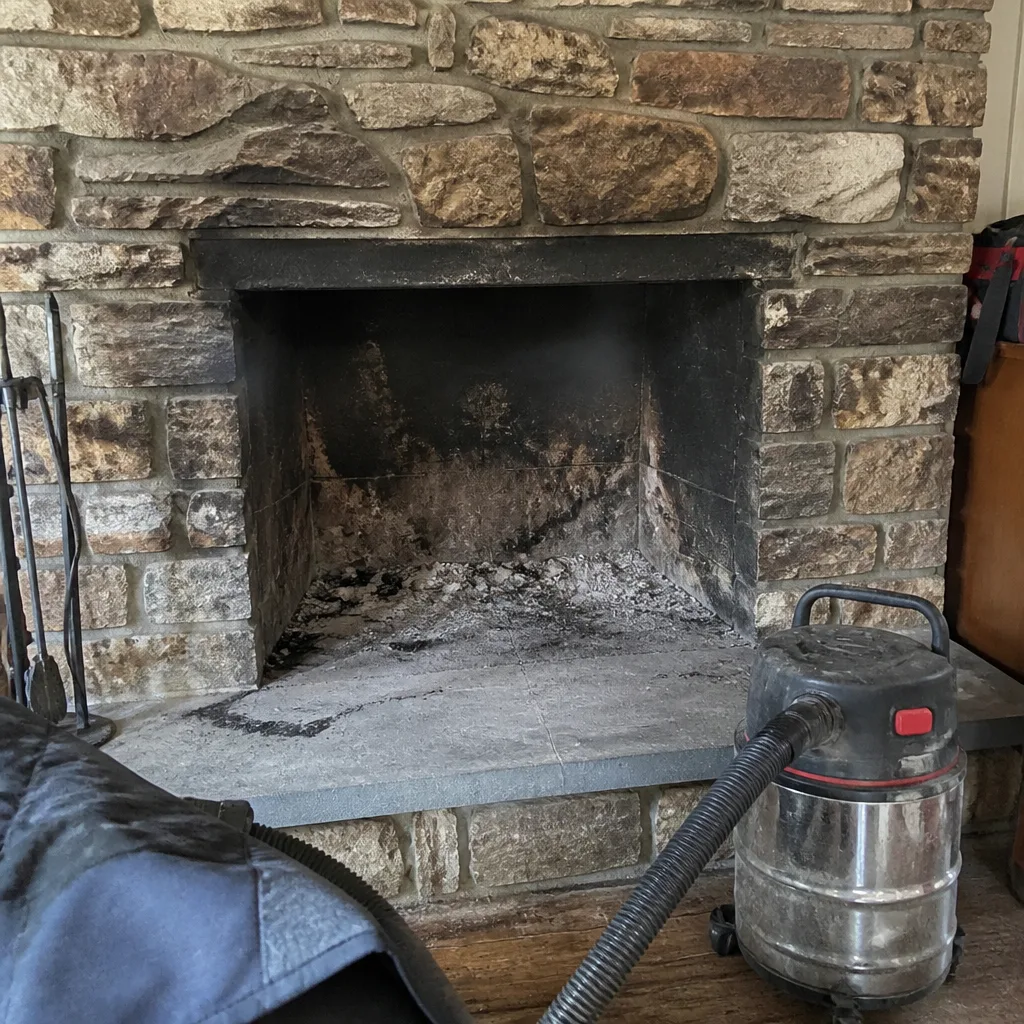 Before
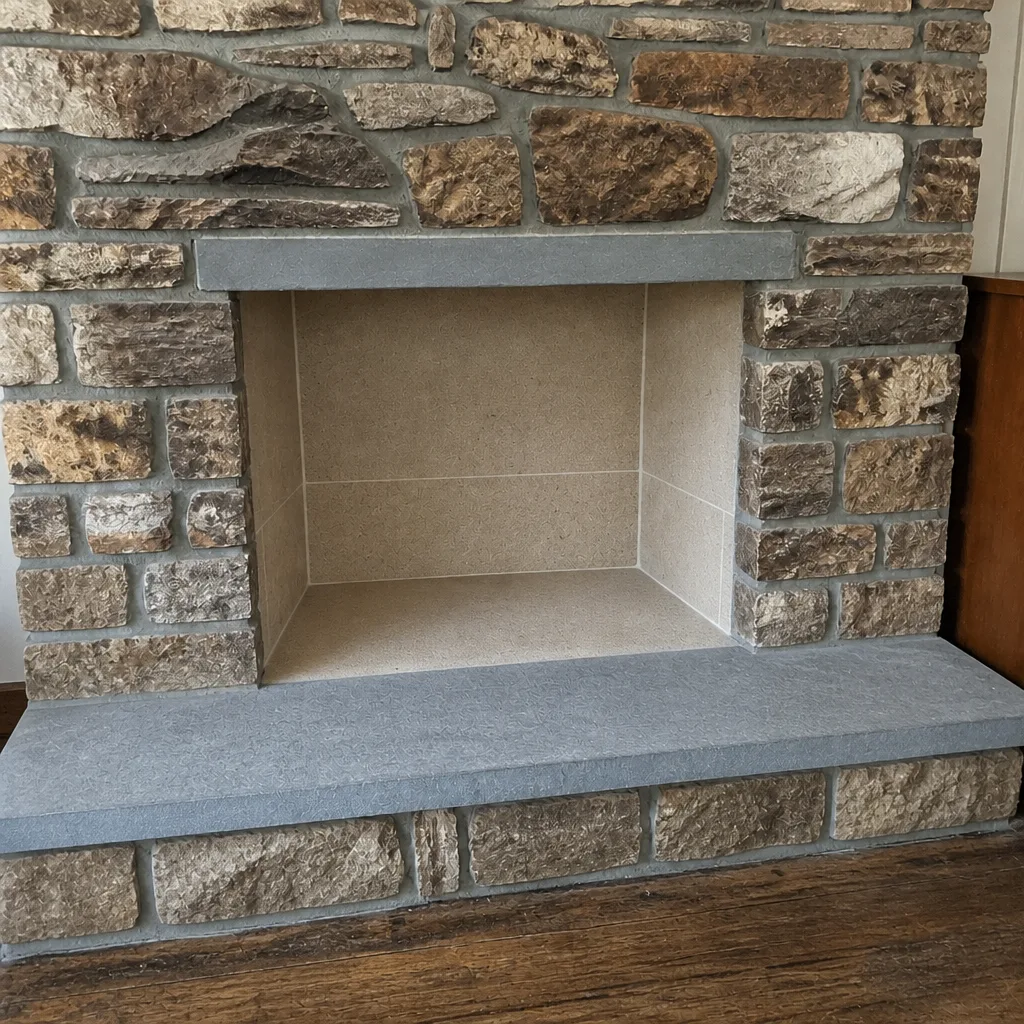 After
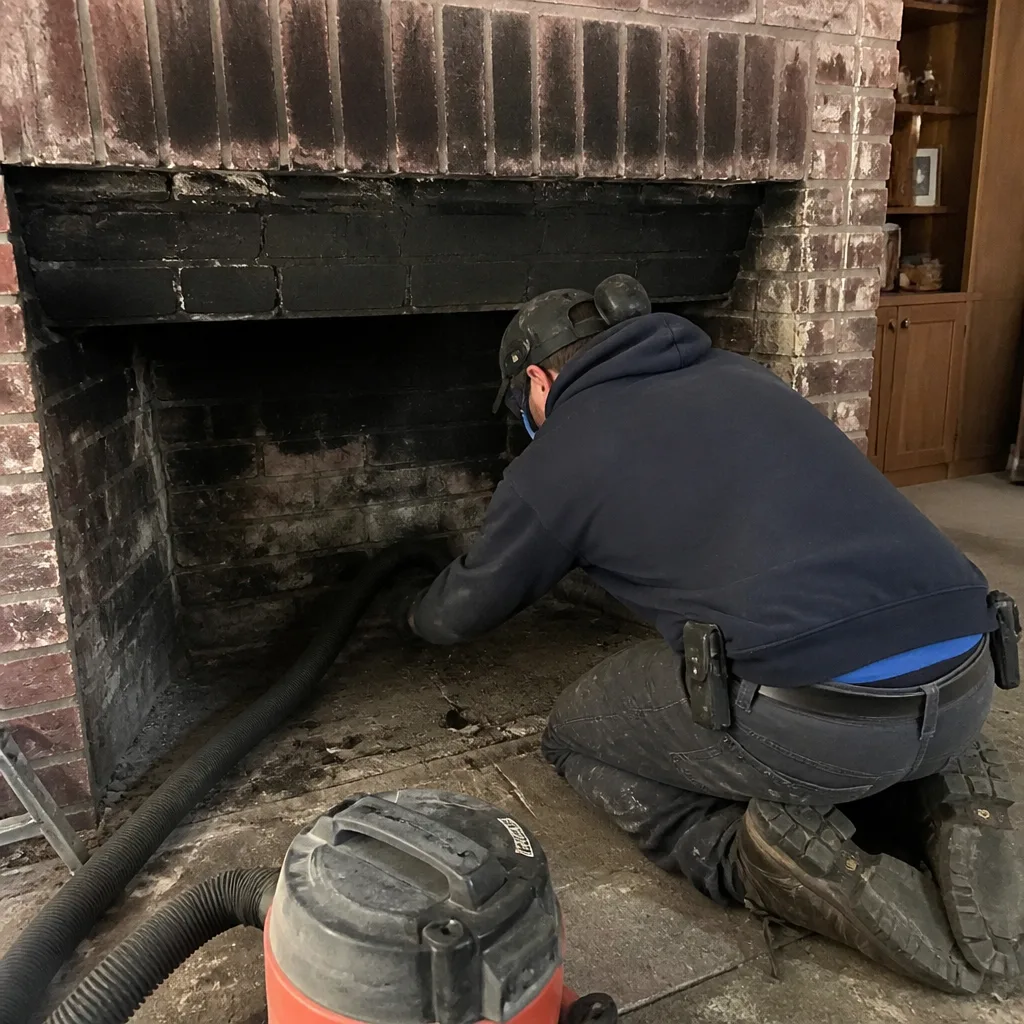 Before
 After
 Before
 After
When to Call a Professional
Call a professional when you’re facing any of these:
- You’ve just bought or sold a house in Oxford Circle and haven’t had a Level 2 inspection.
- You’ve had a gas insert or wood stove installed in the last few years.
- You’ve had a chimney fire – even a small one, even one that burned itself out.
- You notice a strong creosote smell, soot stains on the firebox, or a chimney that smokes into the room.
- You see cracked flue tile through a flashlight, or any visible damage to the crown or cap.
- Your last sweep was more than a year ago.
If any of those apply, get a real inspection rather than a quick clean. Chimney Sweep Oxford Circle offers free estimates in Oxford Circle – call (855) 259-0792. From the firebox to the crown, one visit covers the inspection, the cleaning, and any repair the sweep turns up. For structural work – liner replacement, a chimney repair for a failing crown, or a full rebuild – the same company that diagnosed it handles the fix.
Frequently Asked Questions
A routine chimney cleaning in Oxford Circle is priced per job by a written estimate, not by a flat national rate. A standard annual sweep on a flue that’s been maintained sits at the low end; a sweep that requires a camera scan, chemical treatment for glazed creosote, or repair work adds to the total. Because the price depends on your flue type, creosote stage, and whether repairs are needed, the written estimate given before booking is the price that holds. Call (855) 259-0792 for an exact quote – estimates are free.
You need a new liner only if the camera scan shows the existing liner is failing – cracked clay tile, a separated cast-in-place surface, or a stainless liner that has failed at a joint. A failing liner allows creosote to travel behind it and exhaust gases to escape into the structure, which is a real safety issue, not a maintenance preference. The right response is to ask to see the camera footage before you agree. If the liner is intact but needs surface work, a HeatShield resurfacing can often save it without full replacement. If a company can’t show you the failure on camera, don’t approve the work. Call (855) 259-0792 to schedule a scan – estimates are free.
An Oxford Circle chimney should be inspected once a year and swept when creosote reaches roughly 1/8 inch of buildup – or every year on a wood-burning fireplace that sees regular use, whichever comes first. Gas inserts need an annual inspection even though they produce minimal creosote. Homes that haven’t been swept in several years should start with a Level 2 inspection to establish a baseline. Call (855) 259-0792 for an exact quote – estimates are free.
Skipping a sweep lets creosote build through Stage 1 and Stage 2 into Stage 3 glazed creosote – a hardened, tar-like layer that is itself fuel and is closely associated with chimney fires. It also lets small problems, like a cracked flue tile or a damaged crown, go unnoticed until they’re structural repairs instead of short fixes. The cost of a missed sweep isn’t a bigger cleaning bill; it’s the liner or rebuild work that follows. Call (855) 259-0792 to schedule a sweep before the next burning season – estimates are free.
No. Gas inserts are inspected and serviced differently because they don’t produce creosote the way wood fires do, but they do produce moisture and, depending on the appliance, corrosive exhaust byproducts. The flue, venting, and appliance connections need an annual check. And a wood-to-gas conversion is exactly the type of fuel switch that triggers a Level 2 inspection under NFPA 211, so the first visit after a gas insert install should include the camera scan, not just a check of the visible surfaces.
No. If your flue turns up a failing liner, a damaged crown, or a firebox repair, the same company that cleaned it can handle the repair or rebuild without a second contractor. We install DuraFlex flexible liner systems, apply HeatShield resurfacing, and use Gelco and Famco caps and venting products – materials we specify because structural chimney work has to hold up to heat and weather. One company, one visit, from the firebox to the crown.
The Bottom Line
Chimney cleaning in Oxford Circle works when it’s treated as a diagnostic process, not a scheduled scrubbing. The right sequence is: inspect for flue type and creosote stage, choose the cleaning method that matches the flue, contain the debris properly in a shared-stack rowhouse, and document the result with photos and a written report. Glazed creosote needs chemical treatment before brushing, and it’s the one condition most often missed by a slot-driven schedule. Gas insert conversions trigger a Level 2 inspection under NFPA 211, and that’s the check most often skipped in Oxford Circle’s older housing stock. When repairs turn up, they should be backed by camera evidence you can see for yourself, and the fix should happen on the same job. Cleaning and repair travel together. From the firebox to the crown, that’s the standard.
Call (855) 259-0792. We answer 24/7. Fast dispatch from 7am to 7pm, Sunday through Friday. Estimates are free, and the written estimate sets the final price.
Written by the team at Chimney Sweep Oxford Circle.