
Last updated November 22, 2026
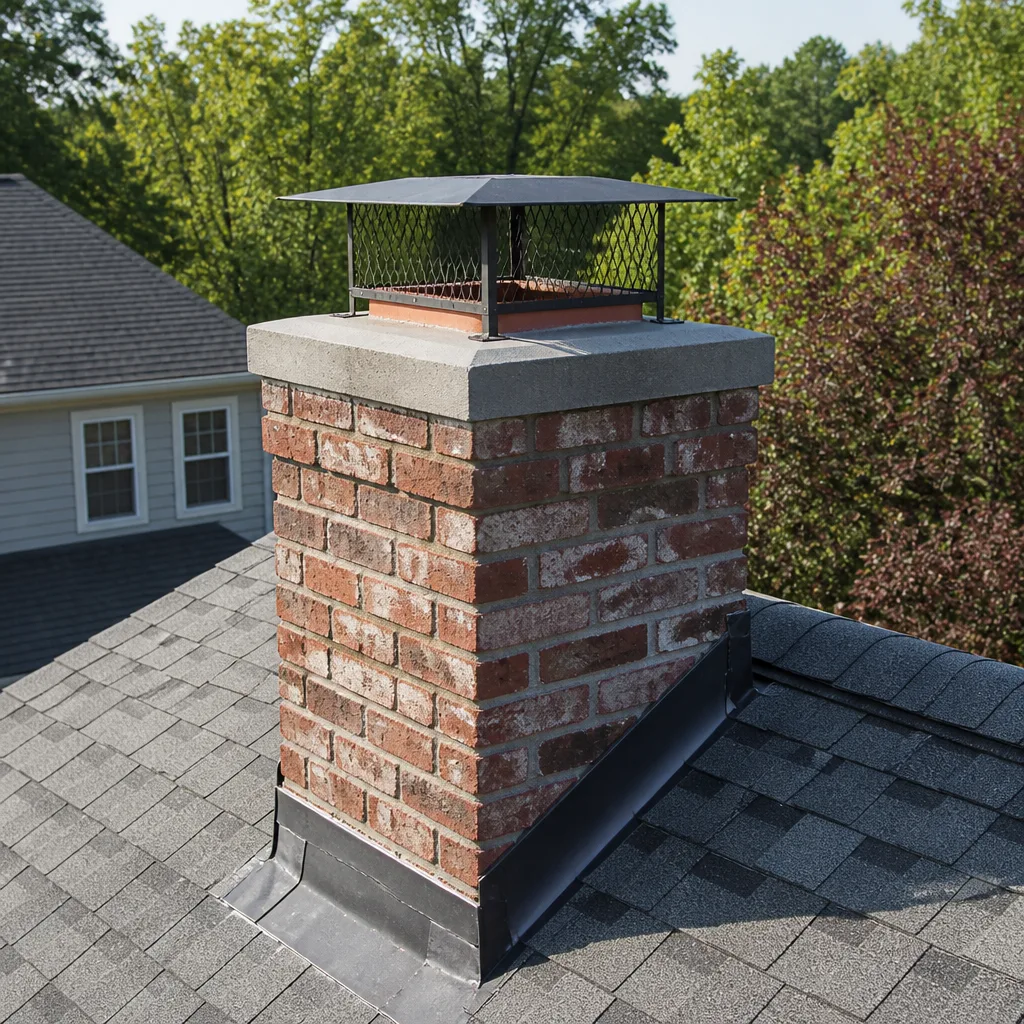 Sweep & inspection
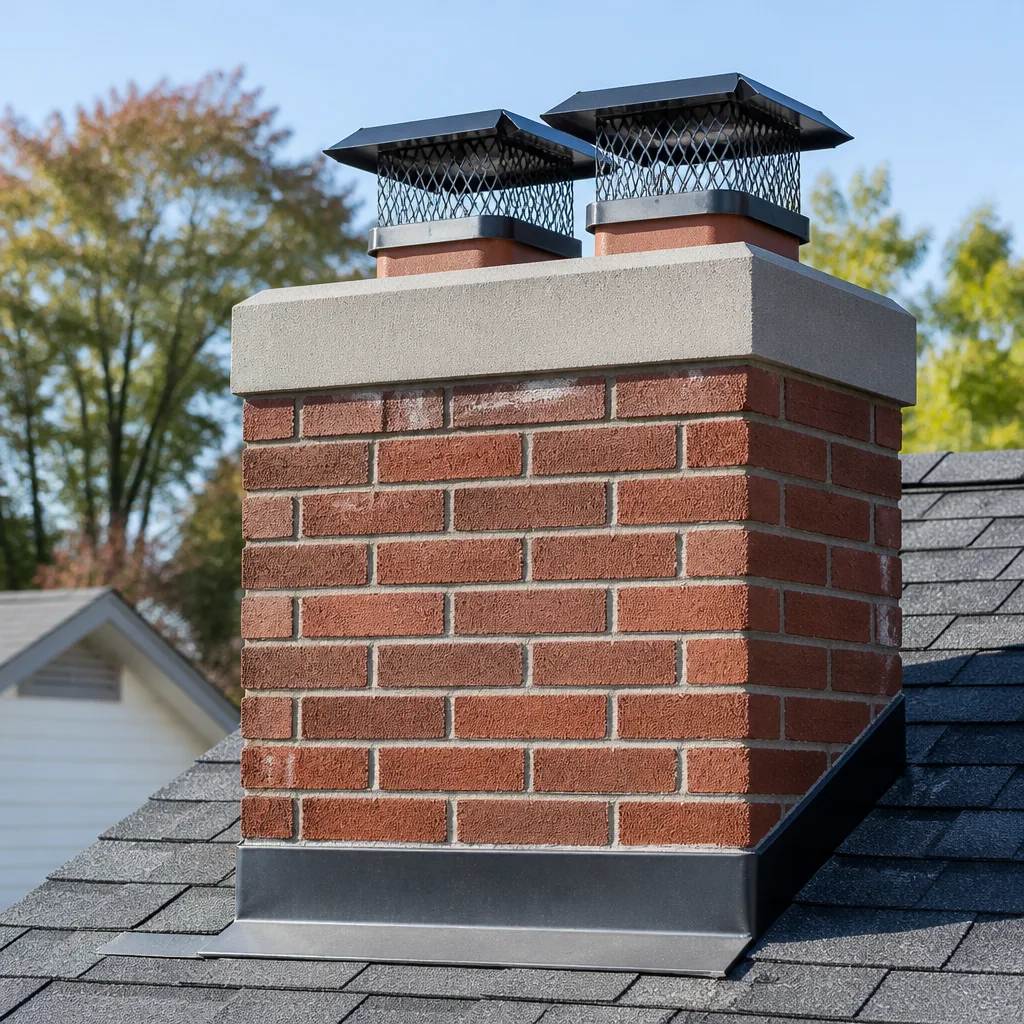 Caps & crowns
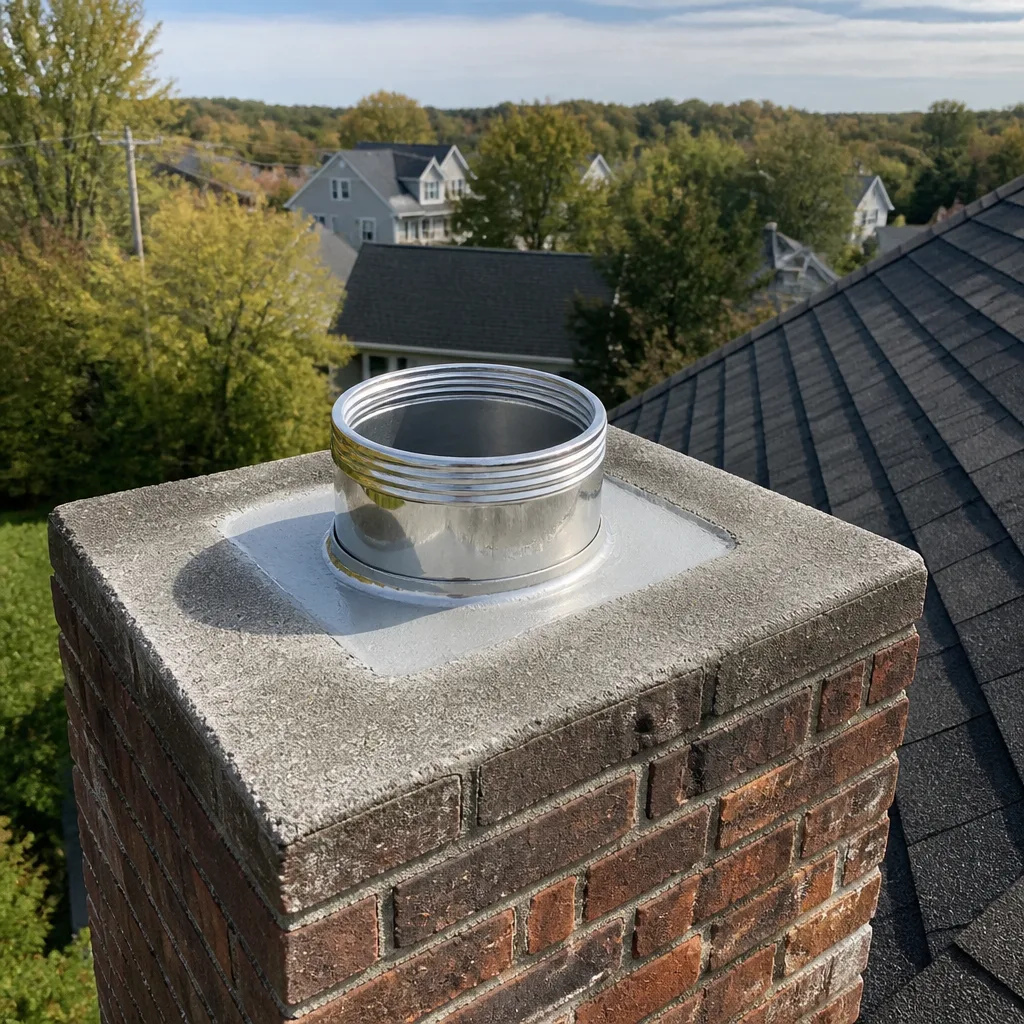 Flue relining
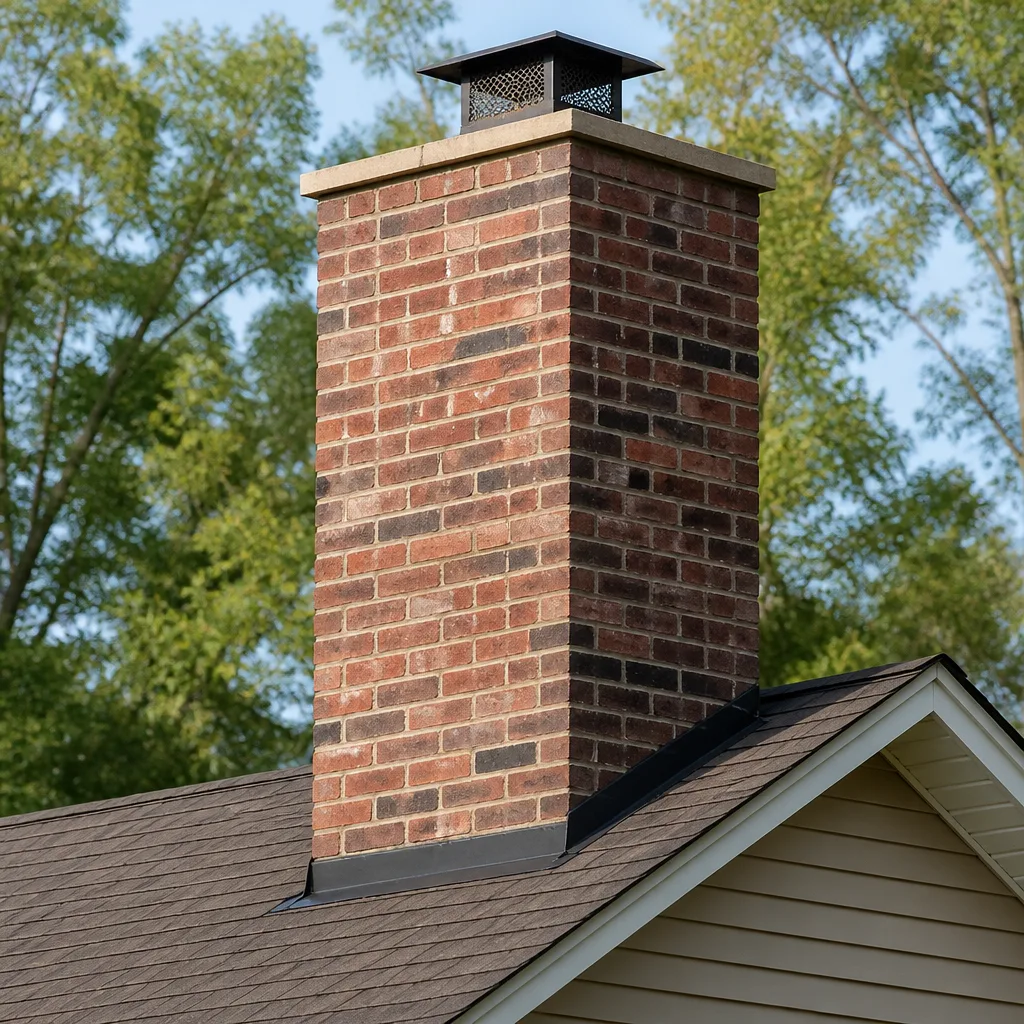 Masonry repair
 Gas fireplace service
Level 1 sweep and inspection to the NFPA 211 annual standard - flue, crown, cap, and flashing checked and photographed
Chimney sweep logs do not sweep chimneys. They loosen some creosote - which then falls where a brush and vacuum still have to collect it.
How to Hire a Chimney Cleaning Contractor in Oxford Circle: A Step-by-Step Guide
The CSIA sweep certification takes roughly 20 hours of study and an open-book exam. Knowing that, ask yourself a harder question: does that credential alone tell you whether a company can install a liner, rebuild a smoke chamber, or legally pull a permit in Philadelphia? In Oxford Circle, the chimney market mixes certified full-system specialists with handyman operations that own a brush kit, and both show up in the same search results. This guide gives you a vetting framework that filters on credentials, scope capability, and documentation standards before anyone sets foot on your roof. You’ll learn the credential stack that matters, the five questions to ask before booking, and the red flags specific to low-bid chimney work.
Quick Answer
To hire a chimney cleaning contractor in Oxford Circle, verify three things in order: the credential type (CSIA sweep certification versus NFI specialist certification versus neither), whether the company installs liners and pulls permits itself or subcontracts that work out, and whether a camera inspection and written photo report are included in the sweep rather than sold as an add-on. Ask those three questions before you book, get the price in writing, and never accept verbal-only findings. A contractor who passes all three filters is one you can trust on your roof; a contractor who fails on scope capability will cost you a second call the moment a real problem turns up.
Styles & brands we work with
- Sweep & inspection
- Caps & crowns
- Flue relining
- Masonry repair
- Gas fireplace service
Table of Contents
- The Credential Stack That Actually Matters
- Five Questions to Ask Before Booking
- Red Flags Specific to Low-Bid Operations
- Why Subcontracted Sweeps Create Liability Gaps
- How to Verify a Contractor’s Philadelphia Business License
- What “Full-System” Actually Means in Practice
- The Documentation Standard You Should Expect
- What a Sweep and Repair Should Cost
The Credential Stack That Actually Matters
Most homeowners search for “chimney sweep certification” and stop when they find one. That’s the wrong filter. Chimney work has at least two separate credential tracks, and knowing which one a company holds tells you what they’re actually authorized to do.
CSIA certification is a sweeping and inspection credential. The Chimney Safety Institute of America exams a technician on firebox, flue, and venting knowledge. It authorizes them to inspect and clean. It does not, by itself, certify them to install a stainless liner or rebuild a smoke chamber.
NFI certification comes from the National Fireplace Institute and is a specialty credential by fuel type and by appliance. An NFI-certified technician has demonstrated competence with gas, wood, or pellet systems, and NFI covers installation work as well as service.
Neither is the third category, and it’s more common than you’d expect. A technician with neither credential can still swing a brush. Whether they should be on your roof is a different question.
What each credential authorizes
- CSIA sweep: Inspection and cleaning of the flue, firebox, damper, and smoke chamber. Identification of creosote levels and blockages. Documentation of what was found.
- NFI specialist: Appliance-specific service and installation for gas, wood, or pellet systems. This is the credential that maps to insert and stove work.
- Neither: No verifiable training standard. What they can do depends entirely on their own experience, and you have no way to check it.
In Oxford Circle, where a lot of housing stock predates modern venting codes, the difference between a sweep who documents and a sweep who doesn’t becomes the difference between catching a problem in year one and catching it at the rebuild stage. If your chimney needs repair work beyond the sweep, that’s where the credential question re-enters the picture. Our chimney repair work starts where the sweep ends, and the technician who diagnoses is the same one who fixes it.
Five Questions to Ask Before Booking
You don’t need a research project. You need five questions, asked over the phone, before anyone schedules the visit. A qualified chimney company answers these without hesitation. An underqualified one starts hedging.
- Do you install chimney liners, or do you subcontract that work? Look for a direct answer. “We do it in-house” or “We install DuraFlex and other professional-grade liners” tells you the company can take the job to completion. A vague “we can recommend someone” tells you they can’t.
- Do you pull permits for structural work? Any liner installation, rebuild, or major flue alteration typically requires a Philadelphia permit. A contractor who says “we don’t really need one” is either wrong or cutting corners. Ask whether they handle the permit or whether it’s your responsibility.
- Does the sweep include a camera inspection, or is that extra? A camera inspection is the difference between a report you can act on and a guess. It should be included in the sweep, not upsold after.
- What does your written report look like? Ask them to describe it. A good report has photos of the flue interior, a dated condition assessment, and a recommendation for each finding. If they say “we just tell you in person,” that’s not a report.
- What type of insurance do you carry? General liability is the baseline. Ask whether they carry workman’s compensation coverage and whether the policy explicitly covers chimney work. A contractor whose liability policy excludes the category of work they’re doing is a risk you inherit.
Ask all five. Write the answers down. If two or more of the answers are vague, keep calling. In Oxford Circle’s market, there’s no shortage of companies, so you can afford to filter hard.
Red Flags Specific to Low-Bid Operations
The most expensive chimney work is the work that has to be redone. In our experience, low-bid operations fail in predictable patterns, and knowing the patterns lets you spot them before you book.
- Same-day scheduling with no inspection step. A real chimney company wants to see the chimney before quoting repair work. A company that offers to “come out today and take a look” without an inspection appointment is telling you they’ll quote from the front porch.
- Verbal-only findings. If the tech describes what they found and never shows you a photo or hands you a written report, you have no record. That’s fine for a clean flue. It’s a problem the moment they recommend a liner.
- No before-and-after documentation. A sweep should be able to show you the flue before and after. Without those photos, you can’t verify the work was actually done.
- Pressure toward immediate add-on work. “We found a crack, we can fix it today for X dollars.” That urgency is a sales tactic, not a diagnosis. Real problems survive one night of thinking it over.
- No permit discussion. Any contractor who plans to touch the flue structure without mentioning a permit is either unfamiliar with Philadelphia requirements or plans to skip them.
- Prices that seem disconnected from scope. A sweep and a liner install are different jobs. If the quote for both is suspiciously low, ask what’s not included.
The pattern behind all of these is the same: the low-bid operator profits on the add-on, not the sweep. Once you know that, the tell is easy to spot. Anything that pushes you toward the upsell faster than the diagnosis is a red flag.
Why Subcontracted Sweeps Create Liability Gaps
This is the issue most homeowners miss entirely. Some companies market themselves as full-service chimney contractors but send out a generalist subcontractor for the actual cleaning. The subcontractor carries their own insurance, which may or may not cover chimney work. If something goes wrong, the question of who is liable becomes a puzzle you didn’t sign up for.
Here’s how the gap forms:
- Two insurance policies, one job. The company you booked has a policy. The subcontractor has a policy. Neither may cover the other’s work.
- No chain of custody on findings. The subcontractor reports to the company, the company reports to you. Details get lost in that handoff. Photos disappear. Recommendations soften.
- No accountability for the recommendation. The company that sold you the liner install is not the company that documented the need for it. When the liner fails, the answer is “the subcontractor wrote that report.”
- No unified warranty. Ask who warranties the work. If the answer involves two companies, ask what happens when one of them stands behind the other.
In a market as dense as Oxford Circle, this matters because a homeowner can reasonably assume that the company on the invoice did the work. The fix is simple: ask before you book whether the technician arriving at your door is a direct employee or a subcontractor. Get the answer in writing if you can. A company that does the work itself can answer it without hesitation. Full-system coverage under one company, from sweep through rebuild, is what eliminates the gap.
How to Verify a Contractor’s Philadelphia Business License
A chimney contractor doing business in Philadelphia should have a valid city business license and, for structural work, a contractor’s registration. Verification takes about 15 minutes and it eliminates a whole category of risk.
- Ask for the business name and address as registered. Confirm they match the name on the estimate and the invoice.
- Look up the business license through Philadelphia’s Department of Licenses and Inspections. The city’s online verification tool lets you search by business name or address. Confirm the license is active and the classification matches the work being done.
- Check the PA Attorney General’s contractor registry for consumer complaints. The Attorney General maintains records of contractor complaints and disciplinary actions. A pattern of unresolved complaints is a red flag independent of the license status.
- Ask for a certificate of insurance naming you as additionally insured for the duration of the job. Reputable contractors can provide this on request. If they can’t, that’s your answer.
- Confirm the permit will be pulled by the contractor, in their name, before work starts. A contractor who can’t pull a permit in their own name isn’t a full-service chimney company.
None of this is exotic. It’s the same vetting you’d do for any contractor working on your home. Chimney work is often treated as a small job, and that’s exactly how homeowners end up with a generalist operation installing a liner without a permit.
What “Full-System” Actually Means in Practice
“Full-system” gets used loosely. In practice, a full-system chimney company covers the entire stack from firebox to crown, and can answer for each part of it under one invoice. That’s a meaningful distinction when problems turn up during the sweep.
Here’s what the full scope looks like when it’s actually in place:
- Sweeping and inspection: A chimney sweep that includes camera inspection and a written photo report, not just a brush.
- Cap and crown work: A properly fitted cap and a crown that sheds water protect the flue from the top down. That’s chimney cap & crown work, and it’s the waterproofing half of chimney maintenance that most sweep-only companies ignore.
- Liner installation: A flexible stainless liner sized to the appliance and installed to vent code. We install DuraFlex flexible liner systems because they’re a professional-tier product used in chimney relining nationwide, not a big-box substitute.
- Chamber resurfacing: A deteriorated smoke chamber is a fire risk and a code violation. We’re authorized to apply HeatShield chimney resurfacing, which is a code-compliant repair system for deteriorating flue tiles.
- Rebuilds: When the masonry above the roofline has failed, the answer is a rebuild, not a patch. Structural chimney work is the ceiling of the scope, and only a full-system company can get there.
- Fireplace repair: Firebox, damper, hearth, and facing repairs, done by the same technicians who diagnosed the problem.
The practical benefit is that you don’t have to schedule a second contractor when the sweep finds something. A sweep-only company hands you a report and a recommendation. A full-system company hands you a report, a recommendation, and a plan to fix it.
The Documentation Standard You Should Expect
Documentation is the single best way to distinguish a professional chimney company from a low-bid operator, and it’s the part homeowners most often skip. A sweep should not end with a verbal summary. It should end with a written, photo-supported record of what was found.
What a proper report contains
- Interior photos of the flue, from the top and the bottom. These are usually taken with a camera on a rod or a scope.
- Creosote level assessment in the flue, and a stage designation (typically one through three, with three being glazed and requiring professional removal).
- Condition notes on the firebox, damper, smoke chamber, and flue tiles. Cracks, gaps, and spalling should be called out specifically.
- Exterior condition notes on the crown, cap, flashing, and masonry above the roofline.
- A written recommendation for each finding, with a clear statement of what’s urgent, what’s routine, and what can wait.
- A dated signature or stamp from the technician, so the report has a name attached to it.
Ask to see a sample report before you book. A company that has one gives it to you. A company that doesn’t will describe it vaguely. In Oxford Circle, where a lot of homes have older masonry chimneys that need ongoing monitoring, the report becomes your baseline for every following year’s comparison.
What a Sweep and Repair Should Cost
Chimney pricing varies by scope, and the reason is that a sweep, a cap installation, and a liner replacement are three different jobs with three different material costs. A written estimate should break them out separately. Call (855) 259-0792 for an exact quote, since the final price is set per job by the written estimate.
How the estimate should be structured
- Sweep and inspection: Priced as a single line item, with the camera inspection and written report included rather than listed as extras.
- Cap and crown: A separate line, with the material named (Gelco and Famco caps and venting products, for instance) and the crown repair described.
- Liner installation: Broken down by liner product, diameter, and length. A DuraFlex reline and a HeatShield resurfacing solve different problems and price differently.
- Rebuild or structural repair: Piece-by-piece, with the masonry scope described, not just “rebuild chimney.”
- Permit: Named separately if a permit is required.
The one thing the estimate should not be is verbal. Written estimates exist to make the scope comparable across companies, and to give you something to hold the contractor to. Ask for the materials by name. A company that says “we’ll use a good liner” and a company that says “we’ll install a DuraFlex liner sized to your appliance” are not offering you the same job.
For homeowners in Oxford Circle weighing whether to fix or replace, the answer almost always comes down to what the camera shows. Nothing should be recommended without evidence you can see for yourself, and it’s fair to say plainly when work can safely wait a year. Any company that can’t tell you what can wait is selling urgency, not service.
Common Mistakes to Avoid
- Hiring on price alone. The lowest bid is usually the lowest scope. Ask what’s excluded before you compare two quotes side by side. In Oxford Circle, where older homes often need liner or crown work alongside the sweep, a low sweep price frequently leads to a padded repair quote later.
- Accepting a verbal inspection report. If you can’t see the inside of your own flue, you can’t evaluate the recommendation. Insist on photos and a written report, every time.
- Skipping the permit question. Liner installations and structural work in Philadelphia require permits. Ask who pulls the permit and confirm it will happen before the crew starts.
- Letting a generalist do a specialist’s job. A handyman can sweep a chimney. He can’t install a code-compliant liner, resurface a smoke chamber, or rebuild a crown. Ask for the scope, not the promise.
- Ignoring the exterior. A clean flue with a failed crown still takes on water every rain. Ask for the crown, cap, and flashing to be inspected during the same visit.
- Booking before you ask about insurance. Two minutes on the phone about liability and workman’s comp can save you a claim you’d otherwise argue about for months.
- Not asking whether the technician is an employee or subcontractor. This is the fastest way to identify a company whose scope is smaller than its marketing.
See the difference
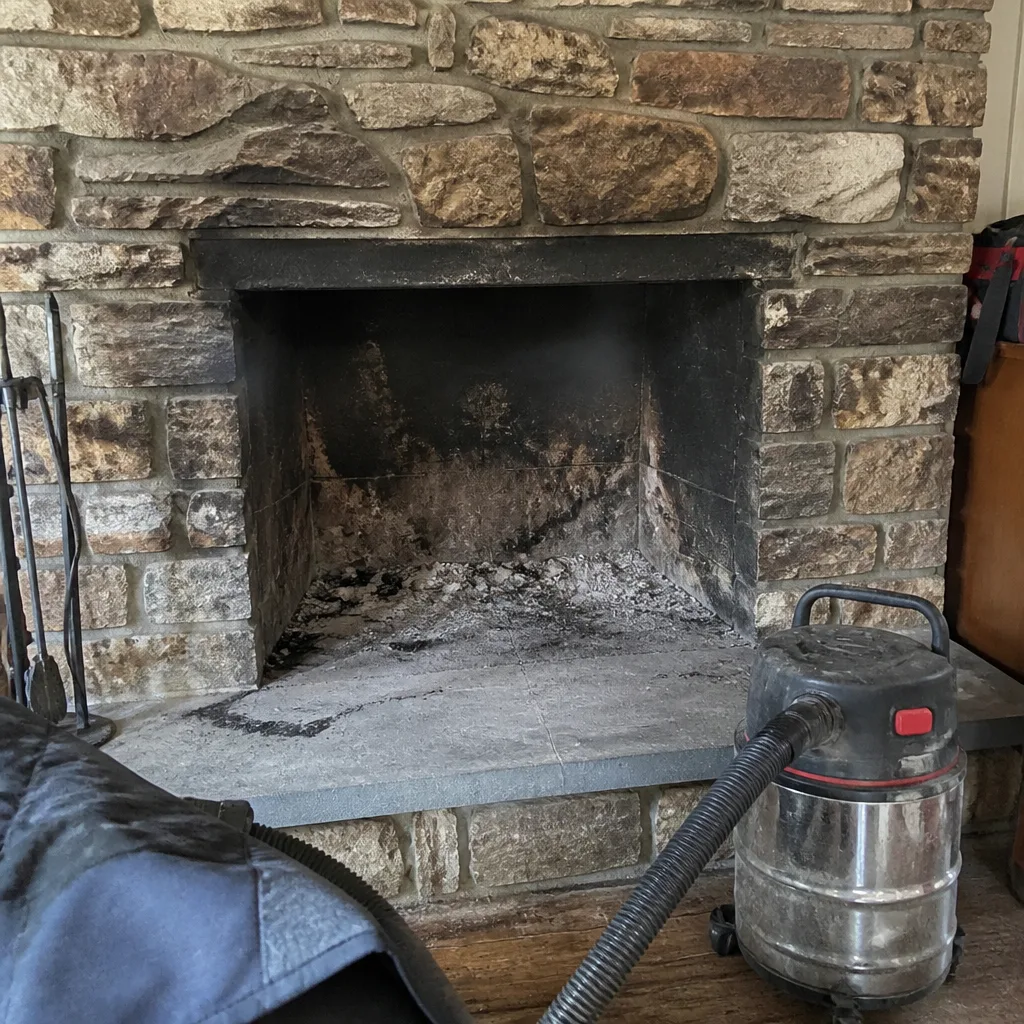 Before
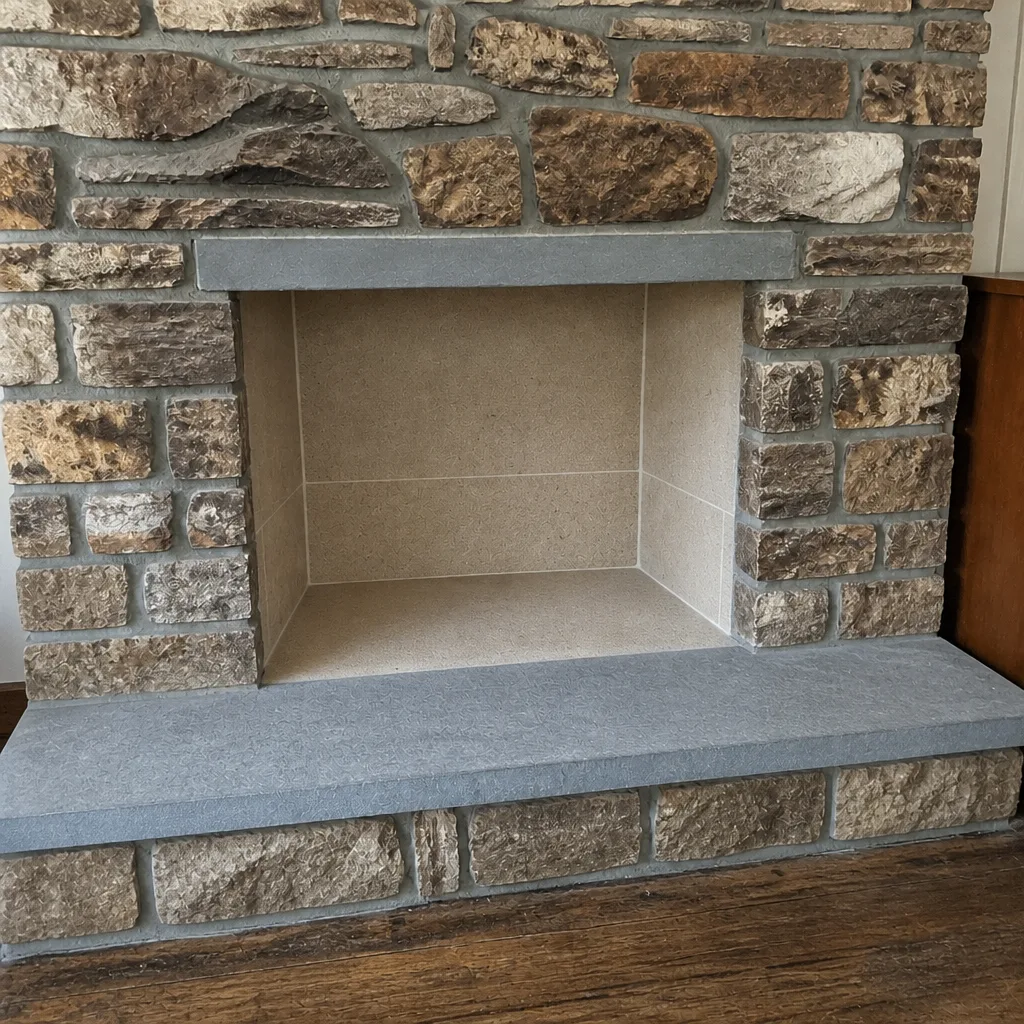 After
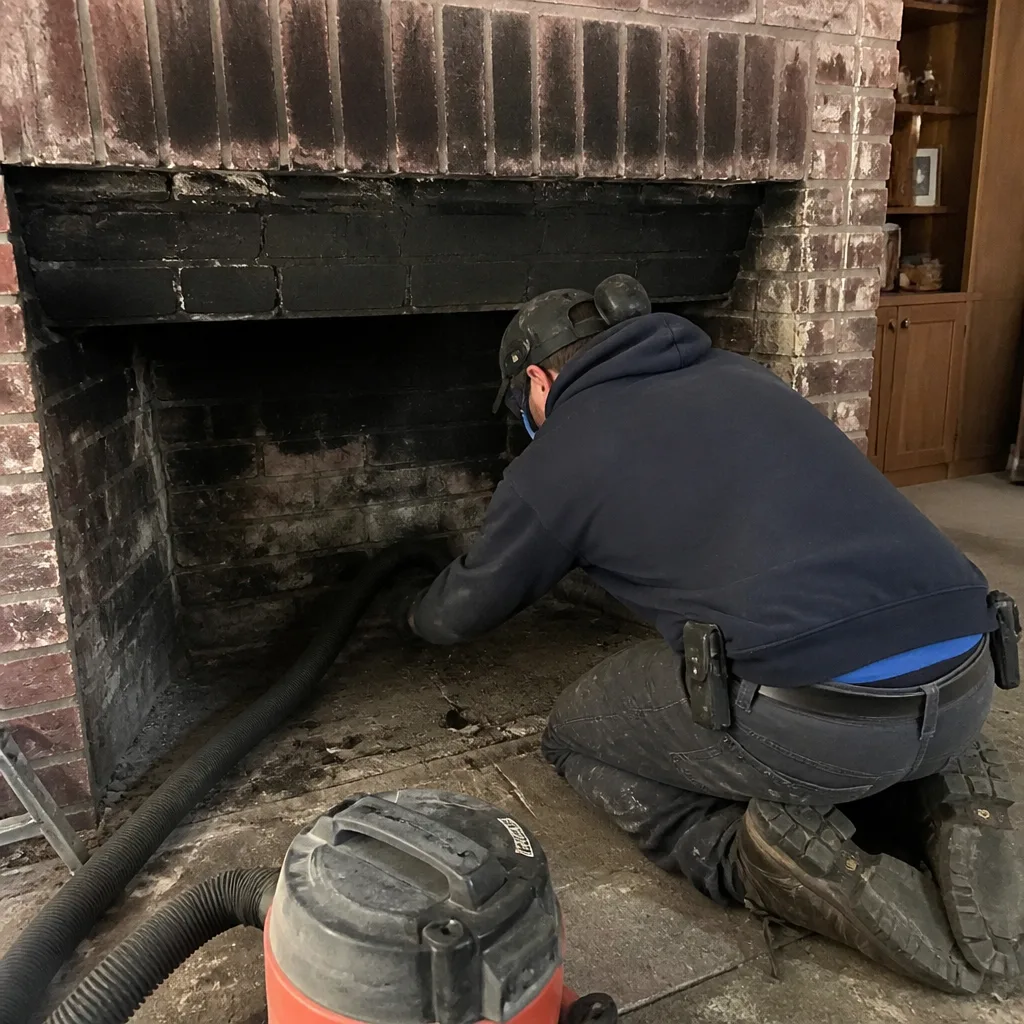 Before
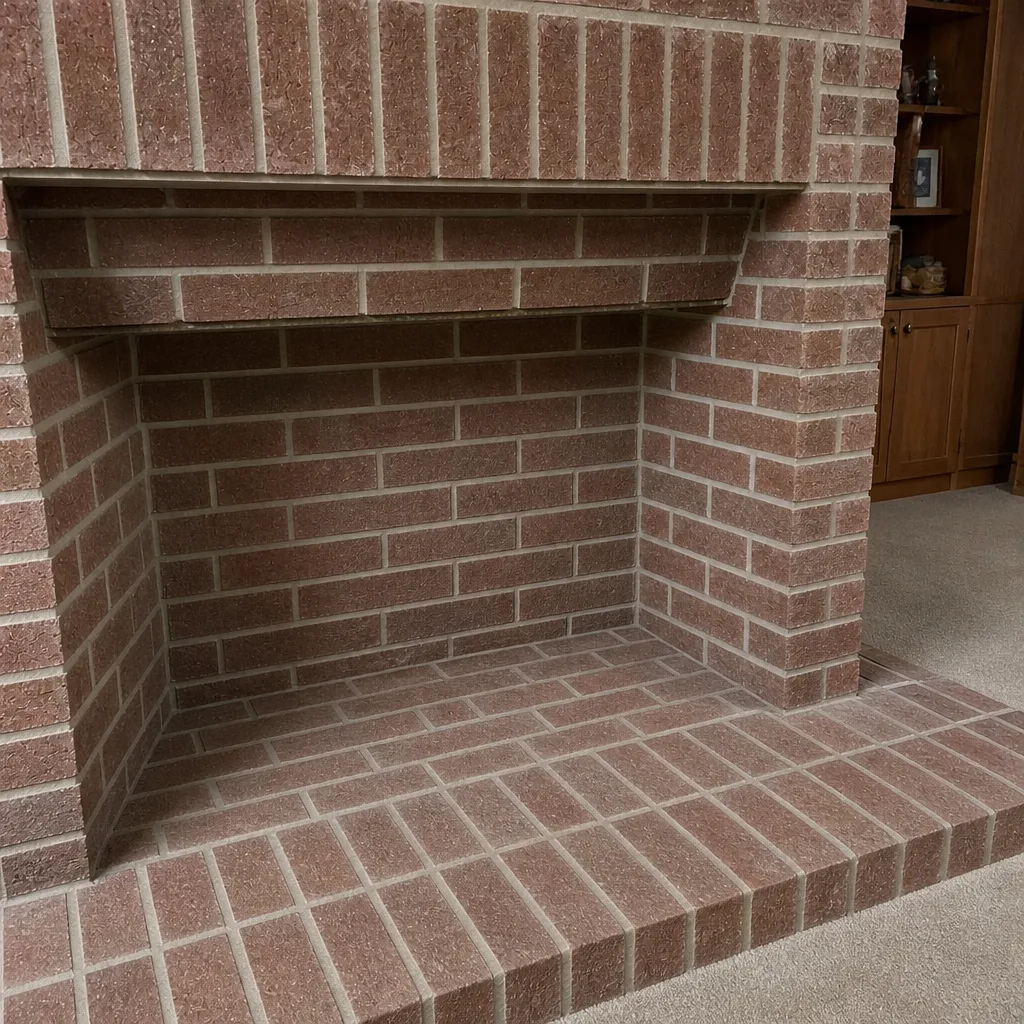 After
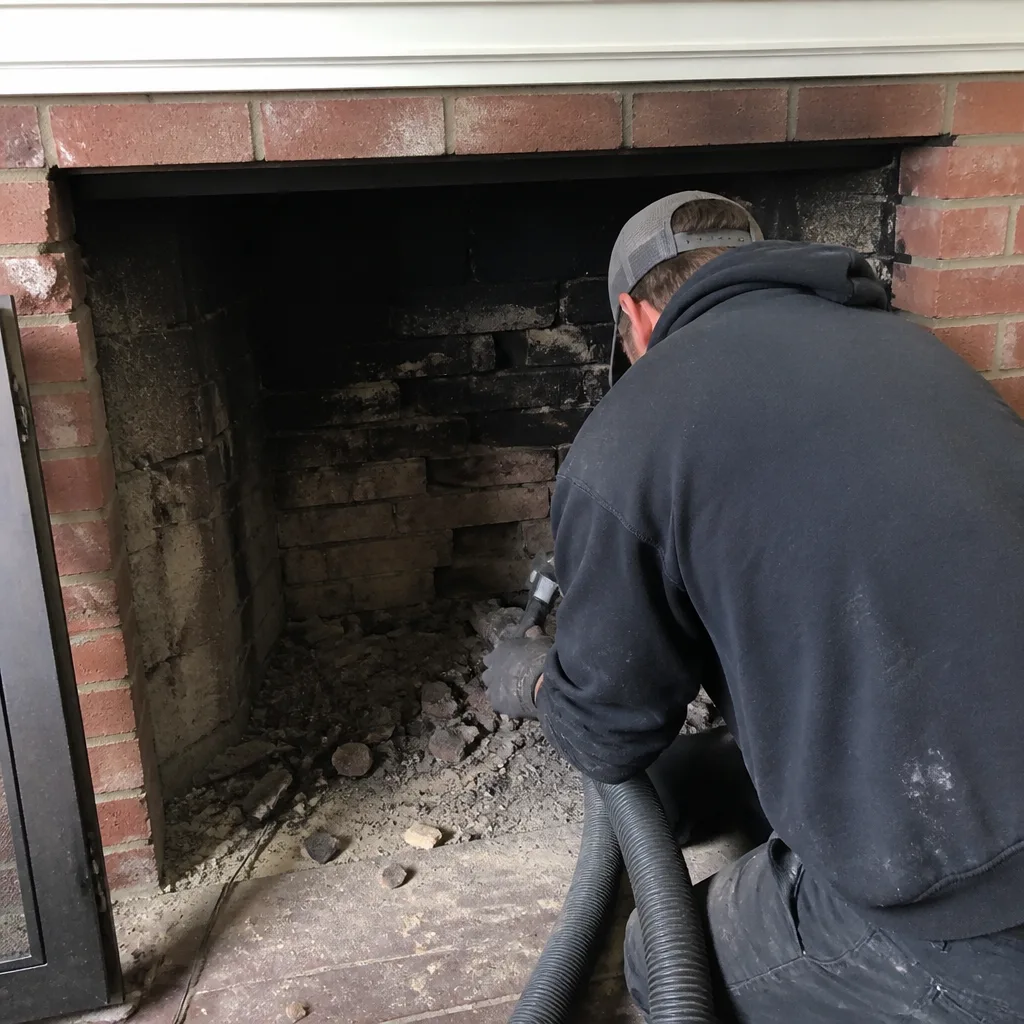 Before
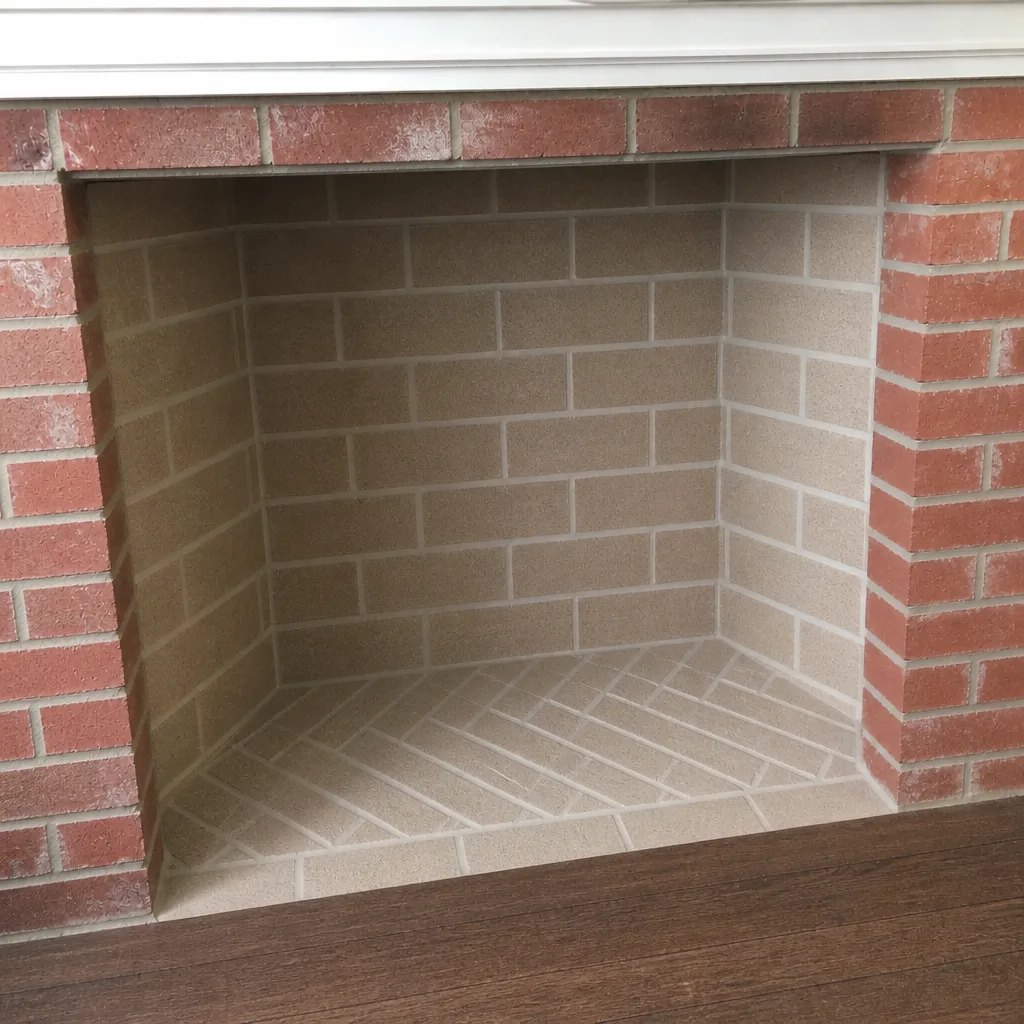 After
When to Call a Professional
Some chimney issues can wait for the next scheduled sweep. Others can’t. Call a professional immediately if you smell smoke inside the house when the fireplace isn’t running, if you see creosote stains on the exterior masonry, if the firebox has visible cracks, or if you’ve had a chimney fire of any size. Any of these indicates a condition that a brush and a flashlight won’t fix. A carbon monoxide alarm going off near a fireplace or gas insert is a call-now situation, not a schedule-later one. For routine upkeep, an annual sweep is the baseline, and the right time to schedule is before heating season, not during it.
Chimney Sweep Oxford Circle offers free estimates in Oxford Circle: call (855) 259-0792. We answer 24/7. Fast dispatch from 7am to 7pm, Sunday through Friday.
Frequently Asked Questions
A chimney sweep in Oxford Circle is quoted per job based on flue length, access, and whether the sweep includes a camera inspection and written report. Pricing is set by a written estimate after we see the chimney, and the estimate itself is free. Call (855) 259-0792 for an exact quote. Estimates are free, and the written estimate sets the final price.
Only if the camera inspection shows it. A liner recommendation should always come with interior photos showing the cracked or deteriorated tiles, a description of what’s failing, and an explanation of why the current flue can’t safely vent the appliance. If a company recommends a liner without showing you the evidence, that’s a red flag. No liner should ever be recommended on a verbal finding alone.
Once a year for most wood-burning fireplaces in active use, and more often if you burn frequently or burn unseasoned wood. Gas inserts typically need an annual inspection but may need cleaning less frequently. The annual sweep is also the annual inspection, which is the real value. Call (855) 259-0792 to schedule yours before heating season.
Creosote accumulates in the flue with every fire, and at stage three it becomes glazed and highly flammable. A blocked or restricted flue also sends carbon monoxide back into the home instead of up and out. Both are real, documented risks that a sweep and inspection are designed to catch. Skipping a sweep doesn’t create the risk, but it does let the risk grow unchecked.
Ask five questions before booking: whether they install liners in-house, whether they pull permits, whether camera inspection is included, what their written report contains, and what insurance they carry. A full-system company answers all five without hesitation. A sweep-only operation gives vague answers on at least two. The questions take fifteen minutes on the phone.
Ask for photos and a written description before approving any additional work. A professional chimney company documents the finding and gives you a written estimate. You never have to approve repair work in the moment, and a company that pressures you to do so is signaling something about how it sells. It’s fair to say “send me the report and I’ll get back to you.”
The Bottom Line
Hiring a chimney contractor in Oxford Circle comes down to three filters applied in order: the credential type, the scope capability, and the documentation standard. A CSIA credential tells you the technician can sweep. It doesn’t tell you they can install a liner, rebuild a crown, or pull a Philadelphia permit. Ask the five questions before you book, verify the business license and complaint history, and demand a written report with photos before any repair is approved. If you want a Chimney Sweep Oxford Circle team that covers the whole system, from firebox to crown, that’s what we do.
Chimney Sweep Oxford Circle specializes exclusively in chimney and fireplace systems. We use professional-grade materials including DuraFlex liners, HeatShield resurfacing, and Gelco caps because the materials decide how long the repair lasts. From a routine sweep to a full rebuild, one call covers the diagnosis, the repair, and the material sourcing. Our technicians have up to 9 years of experience. Call (855) 259-0792 for a free estimate. We answer 24/7. Fast dispatch from 7am to 7pm, Sunday through Friday.
Written by the team at Chimney Sweep Oxford Circle.